How to Improve Short Game with the Right Golf Ball
Your short game is where strokes are won or lost. Many golfers spend hours at the driving range working on distance, yet they ignore what happens within 100 yards of the hole. The truth is simple: the golf ball you choose has a huge impact on how well you chip, pitch, and putt. Choosing the right ball can help you get closer to the pin and save valuable strokes each round.
Why the Golf Ball Matters Around the Green
Most amateur golfers think all golf balls perform the same way. However, this is far from the truth. Every ball is designed differently, and those differences show up most clearly in the short game.
Around the green, you need two things above all else: control and feel. You want the ball to respond to your swing, stop where you intend it to, and give you clear feedback through the club. Without the right ball, even a well-struck chip can roll past the hole or fail to hold the green.
Additionally, the surface of the green plays a big role. Firm greens require a ball that generates more spin to bite and stop quickly. Softer greens may reward a ball that lands more gently. Therefore, understanding how your ball reacts in different conditions is essential for any golfer serious about improvement.
Understanding Greenside Spin
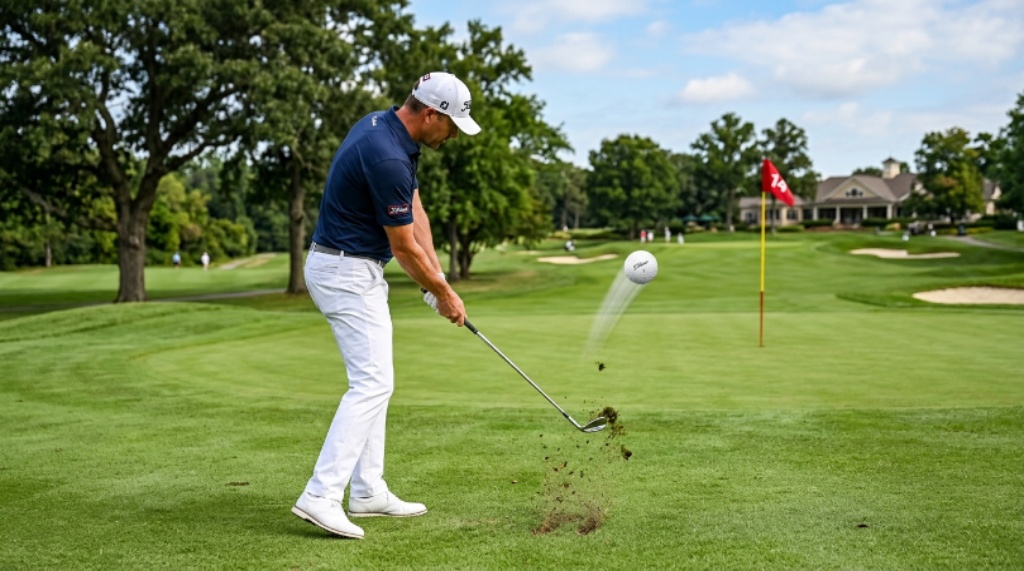
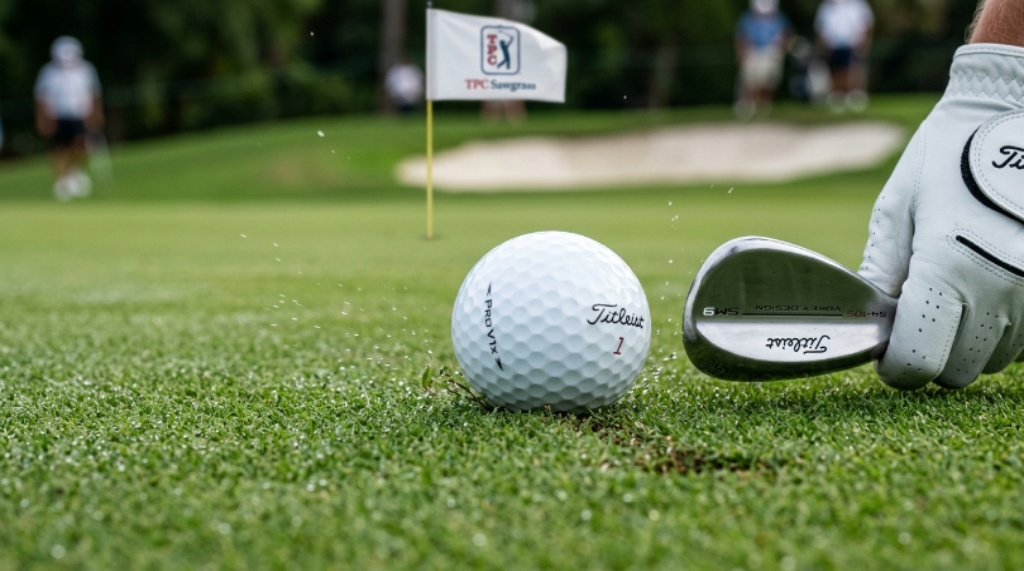
Spin is the key ingredient in short game control. When you hit a wedge shot, the grooves on the clubface grip the ball and create backspin. That spin causes the ball to check up or even roll back after it lands. However, not all golf balls are built to produce high spin rates.
Greenside spin golf balls are designed with soft urethane covers. These covers allow the grooves to grip the ball more effectively at impact. The result is a higher spin rate on short shots, giving you greater control over where the ball stops on the green.
Tour professionals rely on this kind of spin every time they play. When you watch a pro hit a wedge that stops dead or spins back, that is not just skill. The ball they are using is doing a significant portion of the work. For amateur golfers, using greenside spin golf balls can produce a similar effect, even if the results are slightly less dramatic.
It is worth noting that generating spin also depends on clean contact, proper technique, and well-maintained club grooves. The ball is one piece of the puzzle, but it is a very important one.
The Role of Soft Feel in Short Game Performance
Feel is a word you hear a lot on the golf course. Experienced golfers talk about wanting a ball that feels soft off the putter or gives good feedback on chip shots. But what does soft feel actually mean, and why does it matter?
Soft feel balls have a lower compression rating. When the clubface strikes the ball, a lower compression ball compresses more easily. This creates a sensation of softness through the hands and into the grip. Many golfers find this feedback easier to read, especially on delicate shots around the green.
On the putting green, soft feel balls tend to roll more smoothly. They respond gently to the putter face, which can help you judge distance more accurately. For golfers who struggle with lag putting or short putts, switching to a softer ball can make a noticeable difference in confidence and distance control.
Furthermore, soft feel balls are generally easier to chip with. On short pitch shots where touch is everything, a soft ball responds more predictably. You can feel exactly how hard you are hitting the ball, which makes it easier to control your distance.
Choosing the Right Ball for Your Short Game
With so many options on the market, choosing the right ball can feel overwhelming. However, breaking it down into a few key factors makes the decision much simpler.
First, think about your skill level. If you are a beginner or high handicapper, a softer, two-piece ball may suit you best. These balls are durable, affordable, and forgiving. As your short game improves, you can move toward more advanced options.
For mid to low handicappers, a multi-layer ball with a urethane cover is worth the investment. These balls combine distance off the tee with the spin and feel you need around the green. They perform well in all areas of the game.
Second, consider the courses you play most often. If you play on firm, fast greens, you need a ball that generates enough spin to stop quickly. If you play on softer courses, you have more flexibility in your choice.
Third, test before you commit. Many golfers buy a sleeve of three balls and take them to a chipping area or practice green. Hit a variety of short game shots and notice how the ball responds. Pay attention to how it feels off the club and how quickly it stops.
Short Game Drills That Work Better with the Right Ball
Once you have found the right ball, practice becomes more effective. Here are a few short game drills that will help you take full advantage of your new ball choice.
The landing spot drill teaches you to control where the ball lands rather than where it ends up. Pick a spot on the green about one foot past the fringe. Try to land every chip shot on that exact spot. With a high-spin ball, you will see how spin pulls the ball toward the hole after it lands.
The clock drill improves your distance control with the putter. Set up four balls at three feet from the hole, then six feet, then nine feet, and finally twelve feet. Work through each distance, focusing on the feel of the ball rolling off the putter. A soft feel ball makes it easier to sense the weight of each stroke.
The flop shot challenge builds your ability to hit high, soft shots that land and stop quickly. Using a lob wedge and a soft urethane ball, practice hitting shots over a small obstacle. Notice how the ball grips the green and stays close to where it lands.
Matching Your Ball to Your Wedges
Your wedge selection and your ball work together as a system. Newer wedges with sharp, fresh grooves generate the most spin. However, older wedges with worn grooves produce far less. Therefore, even if you are using the best ball on the market, a worn-out wedge will limit your spin.
Make sure your wedges are clean before every round. Dirt in the grooves reduces spin significantly. Additionally, consider having your wedges re-grooved if they are more than a few years old.
When you match fresh grooves with a urethane-covered ball, the spin rates increase dramatically. You will notice the difference immediately in how the ball reacts when it lands on the green.
Conclusion
Improving your short game starts with understanding the tools you use. The golf ball is one of the most important decisions you can make, yet it is often the most overlooked. By choosing balls designed for spin and touch around the green, you give yourself a real advantage.
Soft feel balls provide better feedback through the hands, making it easier to judge distance on chips and putts. Greenside spin golf balls help you stop the ball faster on the green, giving you tighter approach shots and more birdie opportunities. Together, these qualities can lower your scores without changing your swing.
Take the time to test different options, match your ball to your wedges, and practice with purpose. The short game rewards patience and attention to detail. With the right ball in your bag, every shot around the green becomes an opportunity rather than a challenge.
Frequently Asked Questions
What makes a golf ball good for the short game?
A good short game ball has a soft urethane cover that grips the clubface and generates backspin. Low compression also helps by providing better feel and feedback on chips and putts.
Are soft golf balls better for beginners?
Yes, in most cases. Softer balls are easier to compress, which means beginners get a better feel even with slower swing speeds. They are also generally more forgiving on mishits around the green.
How many times should I use a golf ball before replacing it?
Most golfers replace their ball every 18 to 36 holes, depending on scuffs and wear. A scratched cover can reduce spin performance around the green, so inspect your ball regularly.
Can the wrong golf ball hurt my short game?
Absolutely. A hard, two-piece distance ball has a surlyn cover that generates much less spin than a urethane ball. If short game control is a priority, using the wrong ball will limit what you can achieve.
Do I need different balls for different courses?
Not necessarily. A high-quality multi-layer ball performs well in most conditions. However, if you regularly play on very firm greens, choosing a ball with a higher spin rate can help you stop the ball more consistently.
Related Topics:
Innovative Approaches to Golf Instruction for the Modern Learner
How to Repaint a Surfboard or Paddleboard Like a Pro — Easy DIY Tips