
How Individual Training Enhances Team Performance in Youth Basketball
Key Takeaways
- Individual skill development is a critical foundation for strong team performance in youth basketball.
- Personalized training allows players to address specific strengths and weaknesses more effectively than team-only practices.
- Improved individual skills boost player confidence, which often translates into leadership and positive influence on teammates.
- One-on-one training enhances essential communication skills for effective teamwork during games.
- Commitment to personal growth fosters mutual trust, respect, and accountability among teammates.
- Integrating individual improvements into team strategies strengthens overall cohesion and competitive success.
Introduction
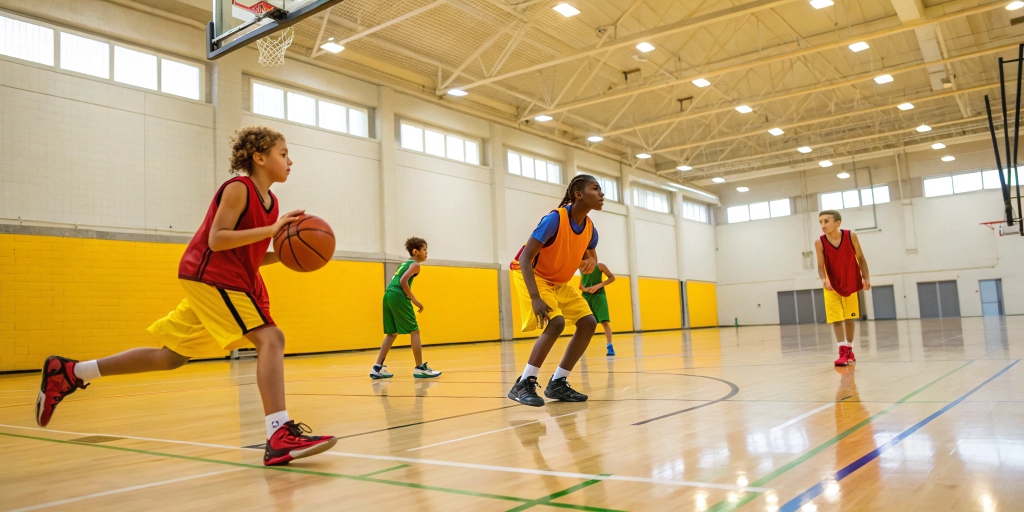
Teamwork lies at the heart of youth basketball success, but the path to achieving cohesive play starts with each player’s individual growth. While team practices establish structure, sets, and roles, the impact of Illinois Attack and similar organizations shows that personal skill development carries significant benefits for overall team performance. By integrating focused individual training, young athletes lay a foundation for team improvement built on strong fundamentals, confidence, and shared respect among teammates.
Individual dedication to training often turns average teams into tough, competitive units. When players invest in developing their skills outside regular practice, the effects are seen not just in their personal statistics but also in the team’s fluidity and intelligence as a whole.
Personalized Skill Development
Targeted Growth for Faster Results
One of the core advantages of individual training is the ability to address specific strengths and weaknesses. Unlike team drills that focus only on general skill-building, one-on-one training sessions spotlight each athlete’s personal development. With this targeted approach, players rapidly improve their ball handling, shooting, defensive positioning, or conditioning, depending on their needs.
For example, a young guard struggling with outside shooting can dedicate extra hours to technical shooting drills, while a forward may emphasize footwork and rebounding. When those improvements show up during team practices, the group benefits from higher levels of proficiency and fewer gaps in overall skill sets. According to NBA.com, individualized fundamental work is a key component of elite teams’ success, reinforcing the importance of tailored workouts in player development.
Boosting Confidence and Leadership
Building Leaders Through Self-Achievement
With every new skill mastered, a young basketball player’s confidence grows. That boost in self-esteem has a ripple effect across the team, as more confident players are ready to lead, communicate, and help teammates reach new levels. Whether it is calmly taking a decisive shot or encouraging younger players during a tough practice, leaders set the tone for the team culture.
Studies from ESPN indicate that a confident mindset improves athletic performance and makes players more likely to step into leadership roles. When personal training creates visible growth, it becomes a model for others, strengthening a positive, competitive environment.
Enhancing Communication Skills
Bridging Gaps with Effective Dialogue
Great teams communicate well both on and off the court. Individual training often includes drills that force young athletes to vocalize their movements, explain their thinking, and react quickly to instructions or changes. This practice sharpens both verbal and non-verbal communication skills, which are essential during fast-paced game situations.
A player accustomed to speaking up in personal workouts is more likely to direct traffic on defense or call out screens in games. Strong communication enhances team chemistry, ensures strategies are executed with precision, and minimizes misunderstandings during critical moments.
Fostering Mutual Trust and Respect
The Bedrock of Cohesive Teams
As each athlete invests in their own development, respect for the sport and for teammates naturally grows. When players see the commitment required to excel individually, they appreciate the sacrifices made by those around them. This shared understanding is essential for building trust, which allows teams to rely on one another without hesitation in games.
Trust is formed when each player knows their teammates are equally committed to improvement. This sense of reliability directly impacts performance, enabling tight defensive rotations, well-timed passes, and greater resiliency in the face of adversity. Over time, these qualities become hallmarks of successful basketball programs.
Promoting Shared Responsibility
Accountability at Every Level
The discipline needed for individual training helps instill a sense of accountability in young basketball players. As individuals take personal responsibility for their progress, this mindset translates into team environments. Players realize that results depend on both individual and collective effort, motivating them to support one another and give their best at all times.
Shared responsibility means each player contributes to the team’s goals, not just personal stats. Coaches can reinforce this by recognizing individual improvements and integrating them into the team’s framework. The result is a culture where no one shirks their role, and everyone works toward collective success.
Integrating Individual Skills into Team Strategies
The Big Picture: Blending Personal Growth and Team Goals
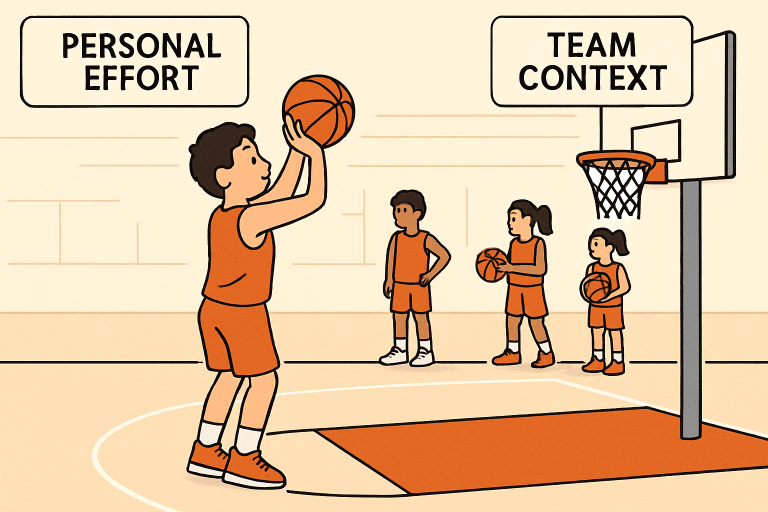
The most successful basketball programs bridge the gap between individual ability and overall team strategy. Coaches play a vital role in creating opportunities for players to showcase their improved skills within the team’s schemes. For instance, a player who has improved their three-point shooting through extra training will have plays designed to utilize this new strength.
This alignment ensures that every drill and individual improvement session ultimately benefits the team. When athletes see how their personal efforts fit into the team’s bigger vision, they are more motivated to train hard and support one another. The constant blending of individual and group work is what sets top teams apart at every level of youth basketball.
Final Thoughts
Individual training in youth basketball is much more than just extra practice. It is the catalyst for enhanced skills, leadership, communication, and trust, all elements that create tightly knit, competitive teams. Both coaches and players should recognize the importance of balancing team practices with focused individual development. Doing so maximizes every player’s potential and brings teams closer to their collective goals.

