How to Maintain Your Skate Pants for Long Life
You finally found that perfect pair of skate pants. They fit like they were tailored for you, they move with your body, and they survived that nasty slide on the asphalt last week. But now you notice the color is fading, the fabric feels thinner, and a small tear is forming near the knee. You are not alone. The problem is that skaters often spend good money on durable pants, only to ruin them with bad washing habits and neglect. The truth is, proper skate pants maintenance is the difference between buying new pants every three months and having the same reliable pair for years. This guide will walk you through every step of caring for your skate pants so they stay tough, look fresh, and keep performing.
What Makes Skate Pants Different from Regular Jeans for Maintenance?
The Fabric Composition Matters
Skate pants are typically made from a blend of cotton, polyester, and elastane. Unlike regular denim, these fabrics are engineered for stretch and abrasion resistance. Regular jeans often use 100% cotton which shrinks and fades quickly. Skate pants use synthetic fibers that hold color better but are more sensitive to high heat. Understanding this difference is the first step in proper care. You cannot treat them like your standard chinos or work pants because the chemical composition reacts differently to detergents and heat.
Reinforced Stitching and Panels
Most quality skate pants feature double or triple stitching in high-stress areas like the crotch, knees, and pockets. These reinforcements require gentle handling. Aggressive washing or twisting can break these threads faster than normal wear and tear. When you understand that these seams are your first line of defense against blowouts, you will treat them with more respect during the laundry process.
Water and Stain Repellent Coatings
Many modern skate pants come with a Durable Water Repellent (DWR) coating. This finish helps repel water, mud, and wax. Harsh detergents and fabric softeners strip this coating quickly. Once it is gone, your pants become sponges for moisture and dirt. Maintaining this coating is a key part of extending the life of your pants.
Why Does Washing Temperature Ruin Skate Pants So Fast?
The Science of Heat and Synthetic Fibers
Hot water causes synthetic fibers to break down at a molecular level. Polyester and elastane are plastics. When you expose them to temperatures above 86°F (30°C), the fibers begin to relax and lose their elastic properties. This is why your favorite stretchy skate pants lose their shape after a few hot washes. Cold water keeps the fibers tight and maintains the original fit of the garment.
Shrinkage and Warping in High Heat
Skate pants are often pre-shrunk, but that does not mean they are immune to heat damage. High temperatures cause uneven shrinkage, especially in blended fabrics. The cotton component shrinks while the polyester component does not, leading to puckering seams and a distorted fit. The waistband becomes tight while the legs remain the same length. This ruins the silhouette of the pants permanently.
The Right Temperature Settings
Always wash skate pants in cold water, ideally between 60°F and 80°F (15°C to 27°C). Use the delicate or permanent press cycle on your machine. Never use hot water even for stain removal. For tough stains, pre-treat with a cold water soak and enzyme-based stain remover instead of turning up the temperature.
Which Detergent Is Safe for Skate Pants?
Avoid Fabric Softeners at All Costs
Fabric softeners coat the fibers with a waxy film. This film traps odor-causing bacteria, reduces moisture-wicking ability, and weakens the stretch recovery of elastane. For skate pants, fabric softener is the enemy. It also clogs the pores of breathable fabrics, making your pants feel clammy during a sweaty session at the skatepark.
Choose a Mild, Sport-Specific Detergent
Look for detergents labeled as “sport” or “activewear.” These are free of optical brighteners and bleach. They are designed to break down sweat and body oils without damaging synthetic fibers. Brands like Nikwax, Grangers, or even a mild free and clear detergent work well. Use only half the recommended amount. Over-soaping leaves residue that attracts dirt.
The Powder vs. Liquid Debate
Liquid detergents dissolve better in cold water than powders. Powder detergents often clump in cold temperatures and leave white residue on dark skate pants. Stick with liquid detergents for best results. If you must use powder, pre-dissolve it in a cup of warm water before adding it to the machine.
How Should You Dry Skate Pants Without Damaging Them?
Air Drying Is the Gold Standard
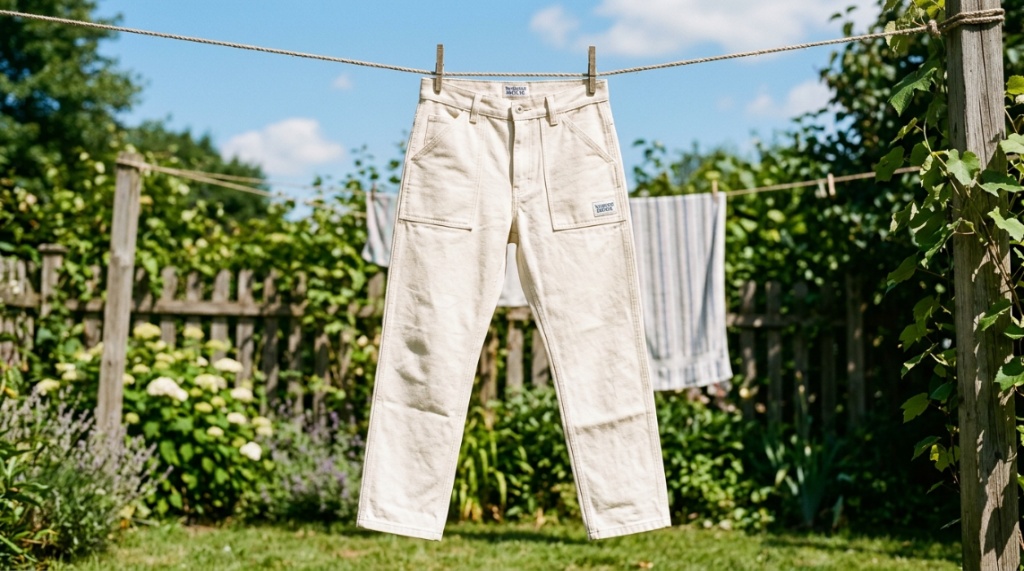
The safest way to dry skate pants is to hang them on a drying rack or clothesline in a well-ventilated area away from direct sunlight. Sunlight can bleach colors and weaken fibers over time. Air drying preserves the fit, the DWR coating, and the elastic properties of the waistband. It takes longer, but it doubles the lifespan of your pants,Before heading out to hit the rails, keeping your gear in top shape—from your apparel to choosing the best beginner-friendly skateboard for boys and girls—ensures a safer and longer-lasting session.
The Hidden Danger of Tumble Drying
Tumble-drying skate pants is a gamble. High heat shrinks the waistband and leg openings. The tumbling action causes friction that wears down the reinforcement patches and abrades the outer surface. If you must use a dryer, set it to the lowest heat or “air fluff” setting. Remove the pants while they are still slightly damp and hang them to finish drying.
Never Use Dryer Sheets
Dryer sheets work the same way as fabric softeners. They leave a chemical coating that degrades moisture-wicking abilities and reduces breathability. Use wool dryer balls instead if you want to reduce static. They are natural, reusable, and do not harm the fabric structure.
Can You Repair Skate Pants After a Blowout or Tear?
Patch Repairs for High-Abrasion Areas
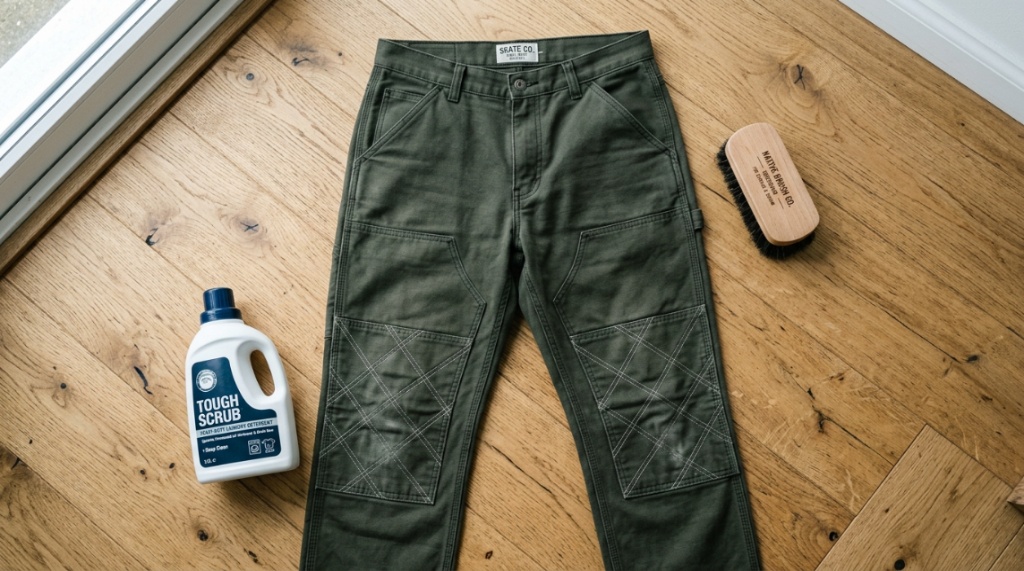
Yes, you can absolutely repair skate pants. For tears in the knee or seat area, use iron-on patches designed for denim or heavy cotton. Cut the patch slightly larger than the tear, round the corners to prevent peeling, and iron it on the inside of the pants. For extra durability, sew around the edges of the patch with a heavy-duty thread.
Stitching Techniques for Seam Splits
When a seam pops, it is often because the thread wore down before the fabric. Use a needle and thick polyester thread to re-stitch the seam. A backstitch is stronger than a running stitch. Turn the pants inside out, align the edges, and stitch about a quarter-inch from the original line. This reinforces the area better than the factory stitching.
When to Give Up and Buy New
If the fabric around the tear is frayed or thinning, repairs will not hold. Large holes bigger than two inches or extensive crotch wear are signs that the fabric is exhausted. At this point, recycling the pants or repurposing them for practice sessions is more practical than trying to extend the life.
How Often Should You Wash Skate Pants?
Less Washing Means Longer Life
Washing skate pants too often is the leading cause of premature wear. You should wash them only when they are visibly dirty or smell bad. For most skaters, this means every three to five wears. Overwashing strips the fabric of its natural oils and causes fading. If the pants are not dirty, hang them outside to air out after each session.
Spot Cleaning Between Washes
For minor dirt or wax marks, spot cleaning is better than a full wash. Use a damp cloth with a tiny drop of mild detergent. Gently rub the stain in a circular motion. Rinse the area with a clean damp cloth and let it air dry. This removes the stain without stressing the entire garment.
How to Handle Sweat and Odor
Sweat is acidic and can degrade elastic fibers over time. If your pants are sweaty but not dirty, rinse them in cold water and hang them to dry. You can also use a spray bottle with a mix of one part white vinegar to four parts water to neutralize odors. Vinegar is safe for all fabric types and does not leave a smell once dry.
What Storage Practices Protect Skate Pants?
Fold Instead of Hang for Heavy Pants
Hanging heavy skate pants by the belt loops or clips can stretch out the waistband over time. It also creates stress marks on the fabric from the hanger. Fold your skate pants neatly and store them on a shelf or in a drawer. This keeps the waistband elastic intact and prevents unwanted creases.
Keep Them Away from Direct Sunlight
Ultraviolet light from the sun breaks down both natural and synthetic fibers. It causes colors to fade and makes the fabric brittle. Store your skate pants in a dark closet or drawer. If you hang them, use a garment bag or keep the closet door closed. This simple step preserves the vibrancy of black and colored pants significantly longer.
Seasonal Storage Tips
If you live in a climate with distinct seasons, store off-season skate pants in a breathable cotton garment bag. Avoid plastic bins because they trap moisture and promote mildew growth. Add a cedar block or lavender sachet to deter moths without using harsh chemicals that can damage the fabric.
Is It Possible to Restore Faded Skate Pants?
Fabric Dyes for Complete Color Restoration
Yes, you can restore faded skate pants using commercial fabric dyes. Choose a dye specifically formulated for synthetic blends like iDye Poly or Rit DyeMore. Wash the pants thoroughly first to remove any dirt or residue. Follow the dye package instructions exactly, and use hot water for the dye bath. This works best for black or dark navy pants.
The Limits of Color Restoration
Dyeing only works if the fabric is in good condition structurally. If the fibers are worn thin or have holes, dyeing will not fix the underlying damage. Also, faded areas from sun exposure may take the dye unevenly. Test a small hidden area first to see how the fabric absorbs the color before committing to a full dye bath.
Natural Alternatives for Subtle Refresh
For a less drastic approach, soak faded black skate pants in a bucket of strong black tea or coffee for an hour. The tannins in tea act as a natural dye that darkens the fabric slightly. This method works only for cotton-heavy blends and will not restore synthetic polyester. It is a temporary fix that lasts about three to four washes.
Which Skate Pants Materials Are Easiest to Maintain?
Cotton-Polyester Blends Strike the Best Balance
Skate pants made from a 60% cotton and 40% polyester blend are the easiest to maintain. Cotton provides breathability and comfort, while polyester adds durability and stain resistance. These blends resist shrinking better than pure cotton and are less prone to pilling than pure polyester. They are forgiving in the wash and hold color well.
100% Cotton Pants Require Special Care
Pure cotton skate pants are comfortable but require more careful maintenance. They shrink significantly in warm water and fade quickly with sun exposure. You must wash them inside out in cold water and never put them in a dryer. They also hold onto stains more stubbornly. If you choose 100% cotton, be prepared for a shorter lifespan unless you are meticulous with care.
Cordura and Nylon Reinforcement Panels
Pants with Cordura or nylon reinforcement panels are more durable but need gentler washing. The rough texture of Cordura can abrade other fabrics during the wash cycle. Wash these pants separately or with other heavy fabrics. The panels do not fade easily, but the stitching around them can break if you use a heavy spin cycle.
How to Remove Common Skate Stains Without Damage?
Wax Stains from Skateboard Grip Tape
Place a brown paper bag over the wax stain and run a warm iron over it. The heat melts the wax, and the paper bag absorbs it. Repeat with a clean section of the bag until no more wax transfers. Then wash the pants in cold water with a bit of mild detergent. This method works on both cotton and synthetic blends.
Grass and Mud Stains
Pre-treat grass and mud stains with a paste made of baking soda and water. Apply the paste to the stain and let it sit for 20 minutes. Scrub gently with a soft-bristled brush, then rinse with cold water. For stubborn grass stains, add a small amount of white vinegar to the water before washing. Do not use bleach, as it will weaken the fibers.
Blood and Sweat Stains
Blood stains need cold water immediately. Hot water sets the protein in blood, making the stain permanent. Soak the stained area in cold salt water for 30 minutes before washing. For old sweat stains, make a solution of equal parts hydrogen peroxide and water. Apply it to the stain, let it bubble for 10 minutes, then rinse and wash normally.
Frequently Asked Questions
Can I use bleach to whiten my white skate pants?
No, bleach weakens synthetic fibers and turns white skate pants yellow over time. Use an oxygen-based whitener like hydrogen peroxide or a color-safe bleach alternative instead.
How do I fix a stretched-out waistband on skate pants?
You can tighten a stretched waistband by sewing a small dart on each side of the waistband from the inside. Alternatively, use a waistband adjuster button or take the pants to a tailor for a professional alteration.
Should I turn skate pants inside out before washing?
Yes, always turn skate pants inside out before washing. This protects the outer surface from friction against other clothes and prevents zippers or buttons from scratching the fabric.
Is it bad to use a washing machine for skate pants?
No, a washing machine is fine as long as you use cold water, a gentle cycle, and a mild detergent. Avoid overloading the machine so the pants have room to move freely without excessive friction.
Can I iron skate pants to remove creases?
Yes, but use a low heat setting and place a thin cloth between the iron and the pants. Direct high heat can melt polyester fibers and ruin the shape of the pants permanently.
How do I stop skate pants from smelling after skating?
Soak them in a mixture of cold water and a cup of white vinegar for 30 minutes before washing. Vinegar kills odor-causing bacteria without damaging the fabric. Air drying also helps prevent odor buildup.
Do different colors of skate pants require different maintenance?
Dark colors need washing in cold water with a detergent for dark fabrics to prevent fading. Light colors are more forgiving but show dirt easily. Always wash dark pants separately for the first few washes to prevent color bleeding.