Family Dentistry Vs. General Dentistry: What Is The Difference?
Oral health plays a crucial role in overall wellness, and selecting the right dental care provider can make all the difference in ensuring lasting smiles for every member of your household. If you have ever wondered about the practical distinctions between family dentistry and general dentistry, understanding these differences is key to making an informed decision for yourself or your loved ones. To learn more about available dental care options in your area, visit dentistsofhinsdalelake.
While both family dentists and general dentists share many core competencies, their approaches, patient populations, and offered services can vary. This article provides a comprehensive comparison of these two branches of dentistry, helping you choose the best option for your family’s oral health care needs.
What Is General Dentistry?
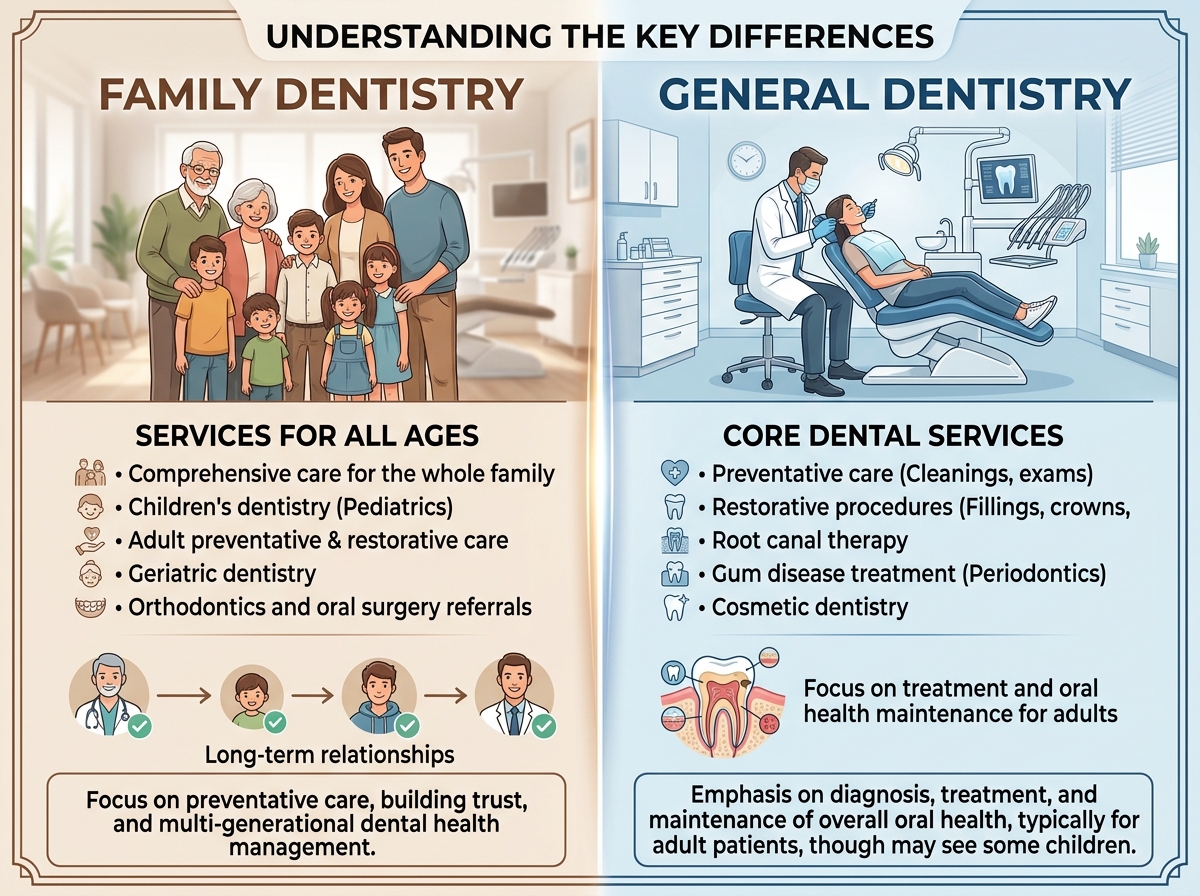
General dentistry focuses on the prevention, diagnosis, and treatment of a wide range of dental conditions in patients of various ages, but typically does not specialize in care for different age groups. General dentists provide essential dental services such as routine check-ups, cleanings, fillings, crowns, root canal treatments, and, often, the management of gum disease. Their training prepares them to manage the most common dental issues, and they may refer patients to a pediatric dentist or other specialists if specific care is needed for children or complex cases.
What Is Family Dentistry?
Family dentistry is a branch of dental care that addresses oral health at every stage of life, with a particular emphasis on treating patients of all ages, from toddlers to seniors. Family dentists often receive additional training in pediatric dental care, making them well-equipped to address the unique dental needs of children, adolescents, adults, and the elderly within the same practice. This approach offers convenience and continuity, as families can schedule visits for multiple members in one place, streamlining the process and helping to establish healthy dental habits early in life.
Key Differences Between Family and General Dentistry
Although both family dentists and general dentists perform many of the same procedures, there are a few important differences:
- Patient Demographics: General dentists usually focus on adult dental care or may not regularly see young children. Family dentists, in contrast, serve patients of all ages.
- Scope of Services: Family dentists typically provide a broader spectrum of preventive and restorative services tailored to the stages of tooth development, including sealants and fluoride treatments for children and oral cancer screenings for older adults.
- Office Environment: Family dentistry clinics are often designed to be welcoming to young children, with staff trained to help make first-time visits comfortable, whereas general dental practices may not always offer the same environment.
Benefits of Choosing a Family Dentist
Having a family dentist offers several advantages, especially for households with young children or elderly members. First, the convenience of scheduling group appointments saves time and effort. Family dentists become familiar with each member’s medical and dental history, allowing for personalized care that accounts for genetic or shared oral health concerns. This familiarity also helps reduce dental anxiety, as patients return to the same practitioner year after year. Trust is built, and the dentist can provide tailored advice as children grow and adults age.
Family dentists often focus on preventive education, helping children develop lifelong oral hygiene habits and educating parents about proper techniques and dietary choices that impact dental health. For more details about the importance of preventive care at any age, the American Dental Association provides excellent resources.
When to Choose Family or General Dentistry
Choosing between a family dentist and a general dentist depends largely on your household’s dental care needs. Family dentists are ideal for households with children, aging relatives, or anyone who values the convenience of a single dental practice for everyone. They are also great for families looking to build long-term relationships with their dental provider. General dentists may be a perfect fit for individuals, couples without children, or those seeking specific types of dental care, especially when complex cases require referral to a specialist. Both types of providers stay up to date through ongoing education, ensuring effective, modern dental care for their patients.
Conclusion
Understanding the differences between family dentistry and general dentistry can help you make the best decision for your oral health and lifestyle. Family dentists offer comprehensive care for patients of all ages, fostering continuity and convenience while building relationships that make every visit more comfortable. On the other hand, general dentists deliver essential dental treatments, focusing on adults and their preventive and restorative needs. Consider what matters most for your household and select a provider who best matches your needs to set the foundation for lifelong oral health.