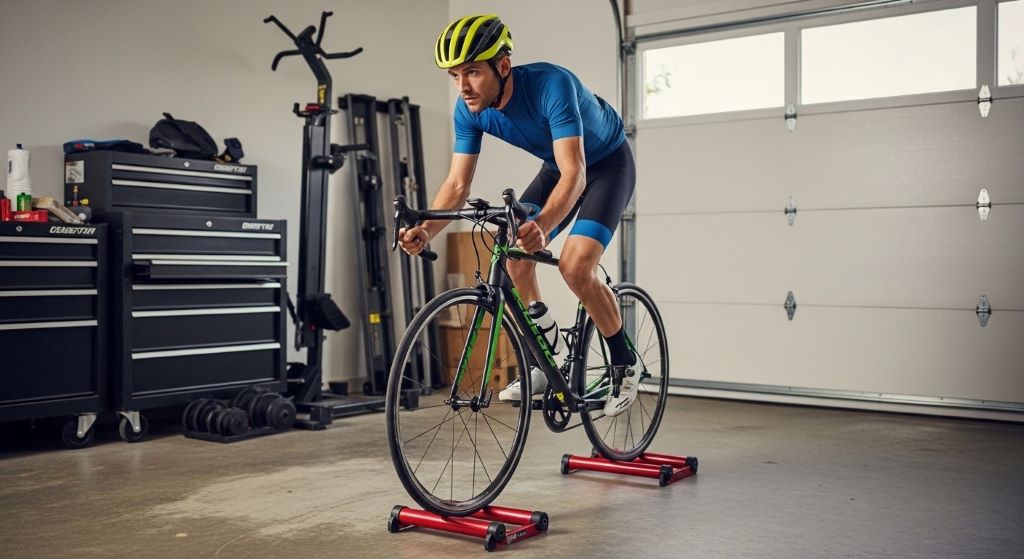
How to Stay Safe While Training on Bike Rollers
Bike rollers offer cyclists an excellent way to maintain fitness during bad weather or off-season periods. However, many riders feel intimidated by these simple yet challenging training tools. Learning proper safety techniques transforms rollers from scary equipment into an effective training companion. This guide walks you through everything you need to know about staying safe while mastering roller training.
Understanding Bike Rollers and Their Benefits
Rollers consist of three cylindrical drums connected by a belt system. Your bike sits on top without being attached, requiring balance and focus. Unlike stationary trainers that hold your bike in place, rollers demand constant attention to your riding form.
The benefits are substantial. Rollers improve your pedaling efficiency and balance naturally. They also enhance core strength and bike handling skills. Moreover, they provide a smooth, realistic riding experience that closely mimics outdoor cycling. Therefore, many professional cyclists incorporate roller sessions into their training programs.
Choosing the Right Location for Your Training
Your training space matters significantly. Select a room with enough clearance on all sides. You need at least three feet of space around the rollers. This buffer zone prevents crashes into walls or furniture during wobbles.
Flooring plays an important role too. Hard surfaces like concrete or tile work best. Carpet can absorb roller movement and create instability. Additionally, avoid slippery floors that might cause the rollers to slide unexpectedly.
Ventilation should not be overlooked. Indoor cycling generates considerable heat and sweat. Open windows or use fans to maintain comfortable temperature. Good airflow prevents overheating and keeps your training productive.
Essential Safety Equipment and Setup
A proper beginner roller setup starts with the right gear. Keep your cycling shoes and helmet on during every session. Helmets protect against head injuries during falls, which can happen even to experienced riders. Furthermore, cycling shoes clip into pedals, providing better control and connection to your bike.
Place sturdy objects on both sides within arm’s reach. Doorways work perfectly because frames provide solid support. Alternatively, position yourself between two walls or use a trainer stand nearby. These anchors give you something to grab when losing balance.
Consider using a yoga mat or rubber mat underneath. Mats reduce noise, protect your floor, and prevent roller movement. They also catch sweat, keeping your training area clean. However, ensure the mat does not bunch up or create additional instability.
Starting Your First Roller Session Safely
Never attempt rollers without support initially. Position yourself in a doorway where you can touch both sides. This setup allows you to mount and dismount safely. Moreover, it provides confidence during those wobbly first attempts.
Mount the bike while holding the doorframe. Place one foot on a pedal and push off gently. Start pedaling immediately at a moderate cadence. Stopping or pedaling too slowly makes balance harder. Therefore, maintain momentum from the beginning.
Keep your eyes forward, not down at the wheels. Looking ahead helps your body maintain natural balance. Your peripheral vision tracks the rollers automatically. Additionally, relax your upper body and grip the handlebars lightly. Tension creates jerky movements that disrupt balance.
Developing Proper Technique for Stability
Smooth pedaling creates stability on rollers. Focus on circular pedal strokes rather than mashing down. This technique keeps your bike centered and reduces side-to-side movement. Consequently, your ride becomes steadier and more controlled.
Cadence matters significantly. Aim for 80 to 100 revolutions per minute initially. Slower cadences make balance difficult because you have less momentum. Faster spinning creates gyroscopic stability in your wheels. However, avoid extremely high cadences until you gain confidence.
Core engagement provides additional stability. Activate your abdominal muscles gently throughout your session. A strong core acts like a stabilizer, keeping your upper body steady while your legs pedal. Nevertheless, avoid tensing up completely, which creates fatigue and stiffness.
Common Mistakes That Compromise Safety
Gripping the handlebars too tightly ranks among the most common errors. White-knuckle gripping causes arm fatigue and transmits tension throughout your body. Instead, hold the bars with a firm but relaxed grip. Your hands should guide, not strangle, the handlebars.
Looking down at your wheels creates immediate instability. This action disrupts your natural balance mechanisms and often leads to crashes. Train yourself to trust your peripheral vision. Your body knows where the rollers are without direct observation.
Starting in too hard a gear makes everything harder. High resistance at low speeds creates wobbles and requires excessive force. Begin in an easy gear that allows smooth, quick pedaling. You can increase resistance gradually as your balance improves.

Progressive Training Plan for Building Confidence
Week one should focus purely on balance. Spend five to ten minutes mounting, riding briefly, and dismounting. Repeat this process multiple times rather than attempting long sessions. Short, frequent practices build muscle memory faster than exhausting marathons.
Week two introduces longer intervals. Try riding for two to three minutes without support. Take breaks between efforts to rest and refocus. Additionally, practice letting go of support objects for brief moments. These small victories build tremendous confidence.
Weeks three and four expand your capabilities. Attempt ten to fifteen minute sessions continuously. Experiment with different hand positions on the handlebars. Try standing briefly while pedaling. These variations prepare you for more dynamic training.
Advanced Safety Techniques for Experienced Riders
Once comfortable with basic riding, explore additional challenges safely. Practice drinking from a water bottle while riding. This skill requires one-handed balance and mimics real-world cycling scenarios. Start with brief sips and progress to longer drinks.
Incorporate interval training carefully. High-intensity efforts create more bike movement and power surges. Build intensity gradually rather than jumping immediately to sprints. Moreover, maintain awareness that fatigue reduces your balance capabilities.
Some riders enjoy watching videos or listening to music during sessions. These activities can enhance motivation but also divide attention. Therefore, ensure your fundamental balance skills are solid before adding distractions. Indoor cycling safety requires maintaining awareness of your body position and bike movement.
Emergency Procedures and Fall Prevention
Despite precautions, falls can happen. Learn to fall safely by trying to land on your side rather than extending arms. Extended arms often result in wrist or collarbone injuries. Rolling with the fall distributes impact across more body area.
Keep your training area clear of obstacles. Remove coffee tables, sharp furniture corners, and loose items. Falls hurt less when you land on open floor rather than crashing into objects. Additionally, inform household members when you’re training so they avoid walking through your space unexpectedly.
Recognize warning signs of impending crashes. Sudden wobbles, jerky steering, or feeling off-balance signal problems. When these occur, immediately grab your support object or dismount. Preventing falls beats falling safely every time.
Maintaining Your Equipment for Safe Operation
Inspect rollers before every session. Check that drums spin freely and the belt shows no signs of wear. Loose or damaged components create unpredictable behavior. Therefore, replace worn parts promptly to maintain reliable performance.
Keep rollers clean and free from debris. Dust and dirt affect drum rotation and can cause slipping. Wipe down rollers weekly with a damp cloth. Furthermore, ensure the belt maintains proper tension according to manufacturer specifications.
Your bike needs attention too. Check tire pressure before mounting the rollers. Under-inflated tires feel sluggish and harder to control. Additionally, verify that your bike is mechanically sound. Loose components or shifting problems create dangerous situations on rollers.
Creating a Sustainable Roller Training Routine
Consistency develops skills faster than sporadic marathon sessions. Plan three to four weekly sessions of 20 to 45 minutes. Regular practice keeps your balance sharp and builds confidence steadily. However, avoid training when excessively tired, as fatigue increases accident risk.
Warm up properly before intense efforts. Spend five to ten minutes spinning easily to prepare muscles and establish rhythm. Similarly, cool down at the end rather than dismounting immediately after hard efforts. These practices prevent dizziness and reduce injury risk.
Mix roller sessions with other training types. Exclusive roller training can become monotonous and mentally draining. Combine rollers with outdoor rides, strength training, and rest days. Variety keeps training fresh while reducing overuse injuries.
Conclusion
Mastering bike rollers requires patience, practice, and attention to safety fundamentals. Starting with a proper beginner roller setup in a suitable location establishes the foundation for success. Using support objects, wearing protective gear, and choosing appropriate training spaces all contribute to indoor cycling safety. Remember that everyone wobbles initially, but consistent practice develops the balance and confidence needed for effective training.
Progress gradually from supported riding to independent balance, then to advanced techniques. Maintain your equipment diligently and recognize your limits on any given day. With proper preparation and smart training approaches, rollers become an invaluable tool for improving cycling skills and maintaining fitness year-round.
Frequently Asked Questions
How long does it take to learn bike rollers?
Most riders achieve basic competence within two to three weeks of regular practice. Comfortable, confident riding typically develops after one to two months. However, individual progress varies based on cycling experience, natural balance, and practice frequency. Starting with short, frequent sessions accelerates learning more than occasional long attempts.
Can I use any bike on rollers?
Nearly any road or hybrid bike works on standard rollers. Mountain bikes with slick tires also function well. However, extremely wide tires may not fit between drums, and bikes with unusual geometries might feel unstable. Check your roller specifications to ensure your bike dimensions are compatible before purchasing.
Do I need special tires for roller training?
Regular tires work perfectly fine for roller training. Some riders prefer dedicated indoor training tires because they’re quieter and wear differently than outdoor tires. Nevertheless, using your standard tires is completely acceptable and saves money. Just ensure proper inflation for optimal performance and control.
Are rollers safer than stationary trainers?
Rollers and stationary trainers present different safety considerations. Trainers hold your bike securely but can cause knee strain from fixed positions. Rollers require more balance but improve bike handling skills naturally. Neither is inherently safer, though rollers demand more initial caution. Choose based on your training goals and comfort level.
What should I do if I keep falling off?
Persistent falling suggests rushing the learning process. Return to supported practice in a doorway for several sessions. Slow your cadence to find a comfortable rhythm and relax your upper body tension. Consider having someone spot you initially or watch tutorial videos for technique tips. Progress comes with patience and consistent practice.
Related Topics:
Are BMX for Adults: Unlocking the Thrill of Biking!
Three Ways to be More Environmentally Friendly and Help Fight Against Climate Change