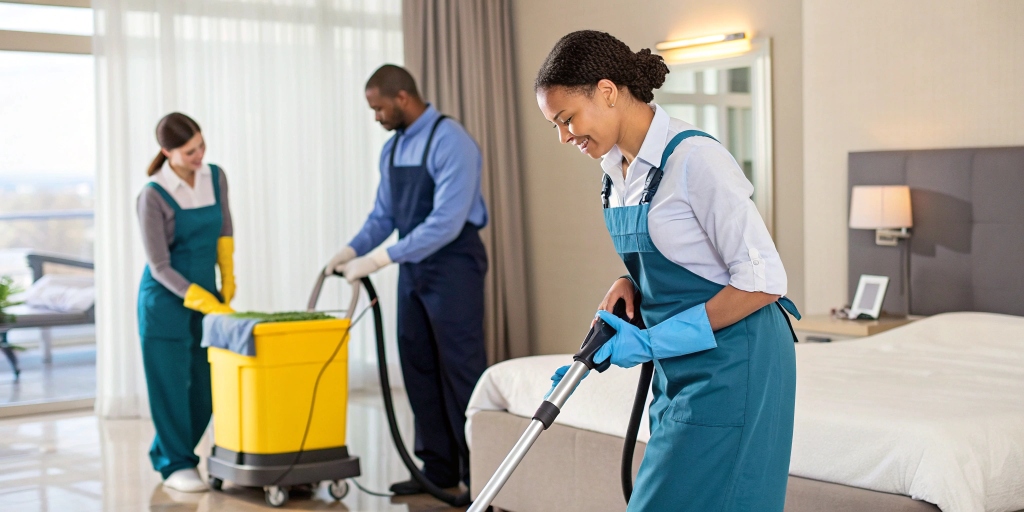
The Changing Face of Housekeeping Professionals
Key Takeaways
- Modern housekeeping blends traditional skills with technology and eco-friendly practices.
- Demand is rising among busy households and young professionals, making the industry more dynamic.
- Professional development and certifications are improving career prospects and recognition.
- COVID-19 increased focus on hygiene, health, and safety standards.
- Future trends include digitization, personalized cleaning, and sustainable solutions.
- Housekeeping remains essential for maintaining clean, safe, and welcoming environments.
Introduction
Housekeeping plays a vital role in maintaining clean, safe, and welcoming environments in homes, hotels, and commercial spaces. Over the past few years, this profession has undergone remarkable changes, shaped by emerging technologies, economic shifts, and growing societal expectations. As the industry transforms, services such as Sparkulous have embraced these changes, helping redefine the value and importance of skilled housekeeping professionals.
The growing complexity of the role means that modern housekeepers are expected to master new cleaning solutions, sustainability practices, and even digital management systems. Today’s housekeeping standards reflect not just a desire for impeccable cleanliness, but also a greater demand for eco-friendly products and more professional recognition for those in the field.
Technological Advancements in Housekeeping
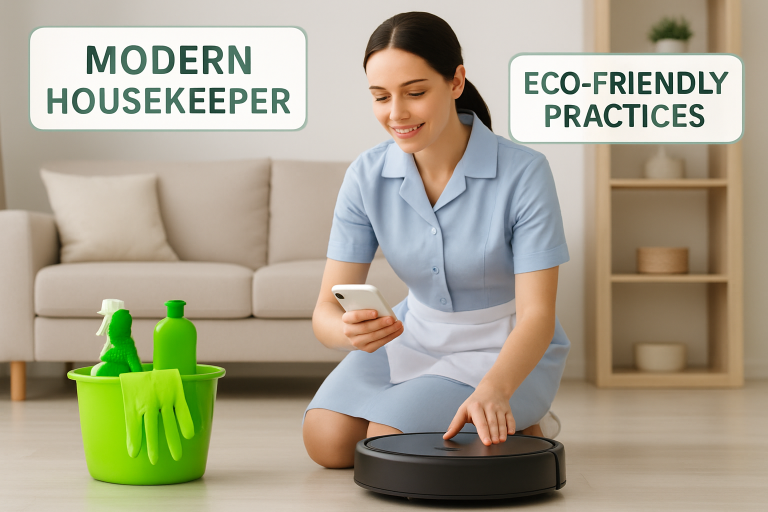
Technology has brought a dramatic shift in how cleaning tasks are completed. Automated devices, including robotic vacuum cleaners and smart mops, are now standard in residential and commercial settings. These innovations reduce the manual workload, ensure consistency, and free up housekeeping professionals to focus on areas that require a personal touch. As technology continues to evolve, the integration of IoT (Internet of Things) devices and mobile apps is streamlining scheduling, inventory tracking, and quality control in ways previously unattainable.
This rapid adoption of technology has also necessitated new skill sets within the housekeeping workforce. Staff are now trained to operate and maintain sophisticated equipment, troubleshoot minor technical issues, and report performance data to supervisors in real time.
Economic Shifts and Wage Trends
Housekeeping salaries have risen substantially in recent years. According to industry sources, including a recent U.S. Bureau of Labor Statistics report, wages for housekeepers have risen by 29% since 2020, with an average annual wage of over $36,000. Despite this positive wage trajectory, employment growth has remained relatively steady, indicating higher income opportunities but potentially fewer available roles. This could be the result of automation, shifting demand, and the increasing efficiency supported by technology.
These economic changes are also influencing where and how housekeeping professionals find employment. Some move toward private households or boutique cleaning companies, while others stay within large hospitality groups. The focus on higher wages and professional standards is making housekeeping a more attractive career for a younger, more technologically savvy workforce.
Changing Demographics and Demand
Many urban areas are witnessing a shift in the clientele for housekeeping services. Millennials and young professionals, especially in cities such as Philadelphia, are increasingly seeking home and apartment cleaning services. This reflects broader cultural trends where convenience and a healthy work-life balance are highly prized. The rise of the gig economy is also contributing to a more dynamic and flexible marketplace for both clients and service providers.
Demand is growing not only among young professionals but also among retirees, dual-income families, and individuals with busy lifestyles who prioritize convenience. As a result, the housekeeping industry is rapidly adapting to meet evolving client expectations.
Emphasis on Sustainability and Green Practices
Sustainability is now a central pillar of modern housekeeping. Clients and employers alike are pushing for greener practices, including the use of environmentally friendly cleaning products and responsible waste management techniques. Companies are shifting away from harsh chemicals toward biodegradable, non-toxic solutions that protect both people and the planet. Not just a trend, these environmentally conscious methods have become crucial for businesses that want to attract eco-minded customers and comply with regulatory standards.
Eco-certifications are increasingly important for securing commercial contracts and enhancing brand credibility in the marketplace. This movement is not only good for the environment; it also creates healthier indoor spaces for clients and cleaning professionals alike.
Professional Development and Career Perception
There are now clearer pathways for advancement in the housekeeping field. Hotels and cleaning firms are partnering with vocational schools, technical programs, and industry associations to promote professional growth and elevate the perception of cleaning careers. These partnerships focus on customer service, specialized sanitation techniques, and management training. By providing ongoing education and mentoring, the industry encourages long-term professional development and helps present housekeeping as a respected and fulfilling career choice.
New roles such as housekeeping supervisors, environmental service managers, and cleaning consultants have emerged, broadening career options and raising the profile of this important profession.
Impact of the COVID-19 Pandemic
The global pandemic significantly heightened awareness of the essential role housekeeping plays in public health. Enhanced cleaning protocols, frequent disinfection of high-touch areas, and robust hygiene standards became the norm across sectors. Housekeeping professionals are now trained in disease prevention, use of personal protective equipment, and compliance with health regulations, making them indispensable to hospitality, healthcare, and office environments.
The industry is expected to retain some of these stricter standards in the coming years, ensuring that health and safety remain at the forefront of operations. Public perception of housekeeping roles has improved, with increased appreciation for the work that keeps people safe and healthy.
Future Outlook
The future of housekeeping will likely involve even greater digitization and personalization. Smart home systems, custom cleaning solutions tailored to client preferences, and advanced eco-friendly technology are poised to shape daily practice. While there are challenges ahead, such as keeping pace with innovation and ensuring fair labor practices, the outlook for housekeeping professionals remains strong.
With an ongoing focus on health, technology, and sustainability, this field is an essential and evolving pillar of modern life. The adaptability and dedication of its workforce will help define the industry for years to come.
Final Thoughts
Housekeeping professionals are navigating a period of significant transformation. Driven by technology, economic trends, and evolving expectations, the industry is rising to meet new standards for safety, cleanliness, and sustainability. As society increasingly values their contributions, housekeepers continue to play a crucial role in maintaining environments where people can live, work, and thrive.