
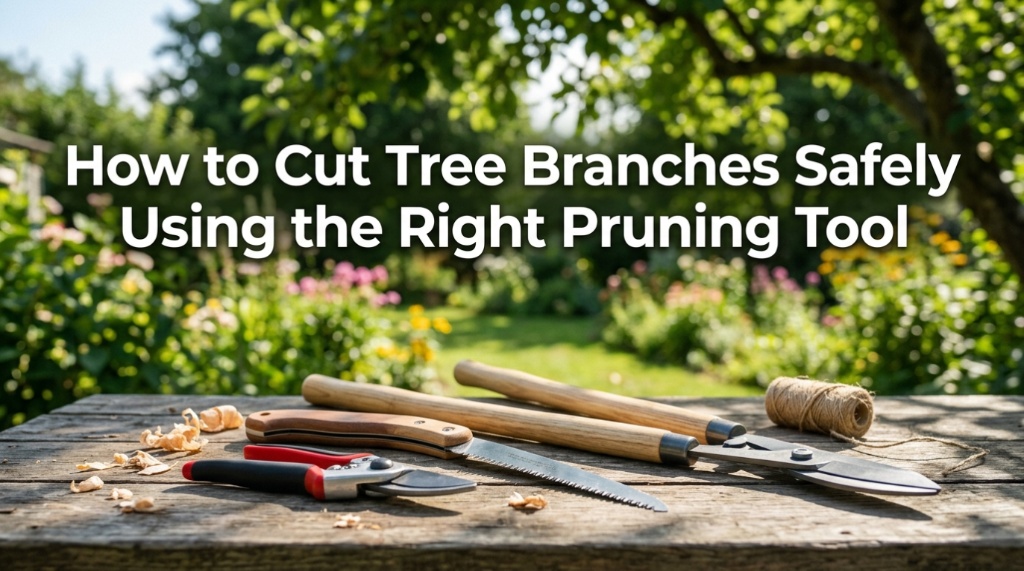
How to Cut Tree Branches Safely Using the Right Pruning Tool
Most tree injuries do not happen when a branch falls—they happen seconds before it falls because the cut was made from the wrong angle or with the wrong tool. Understanding proper branch cutting techniques is the safest and most effective way to remove tree limbs, protect your property, and keep trees healthy. The right pruning tool combined with correct cutting methods prevents bark tearing, uncontrolled branch drops, and long-term tree damage.
Many homeowners underestimate the risks involved in cutting tree branches. A poorly placed cut can split bark down the trunk, invite disease, weaken structural integrity, or cause a heavy limb to swing unpredictably. According to safety organizations and arboriculture experts, improper tree pruning contributes to thousands of avoidable injuries every year. Fortunately, most accidents can be prevented by selecting the proper pruning equipment and following proven cutting procedures.
This guide explains how to cut tree branches safely, which pruning tools work best for different branch sizes, and the exact techniques professional arborists use to make clean, healthy cuts. Whether you are maintaining fruit trees, ornamental trees, shade trees, or backyard landscaping, these practical methods will help you work more safely and achieve better results.
What Is the Safest Way to Cut Tree Branches?
The safest way to cut tree branches is to use the correct pruning tool, make controlled cuts outside the branch collar, and follow the three-cut method for larger limbs.
Safe branch removal starts before the blade touches wood. First, inspect the branch, determine its weight, identify potential falling paths, and ensure there are no power lines nearby. Next, choose a pruning tool designed for the branch diameter.
Professional arborists emphasize planning every cut. A branch under tension can move unexpectedly when released. Standing directly underneath a branch or cutting from an unstable ladder increases risk significantly.
Just as skilled tradespeople rely on specialized equipment for efficiency, understanding which professional-grade tools are designed for specific tasks helps homeowners select safer pruning equipment for tree maintenance projects.
Before cutting:
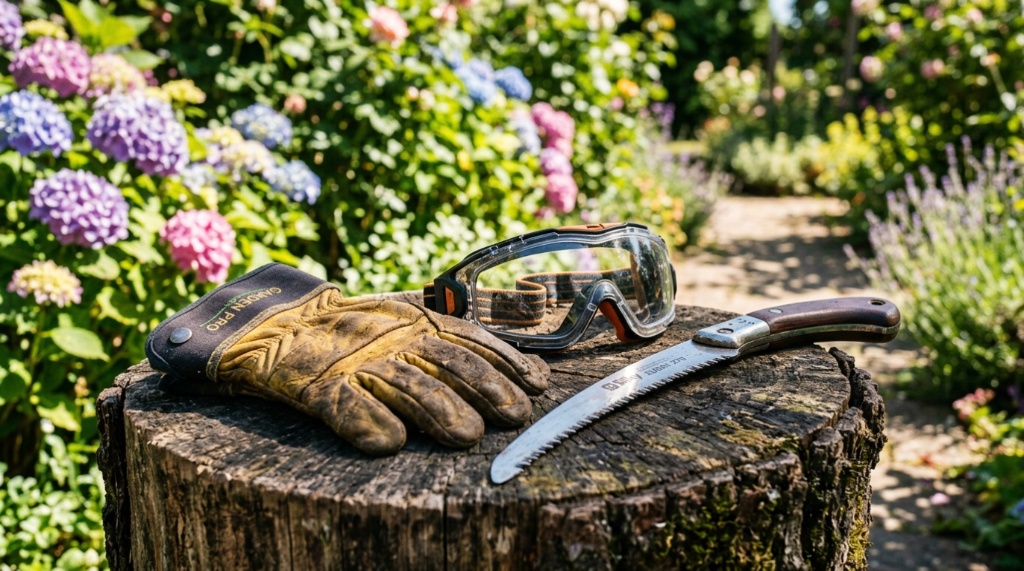
- Wear safety glasses and gloves
- Use non-slip footwear
- Inspect tools for damage
- Remove obstacles from the work area
- Keep bystanders at a safe distance
- Never work near energized utility lines
- Avoid pruning during high winds
Which Pruning Tool Should You Use for Different Branch Sizes?
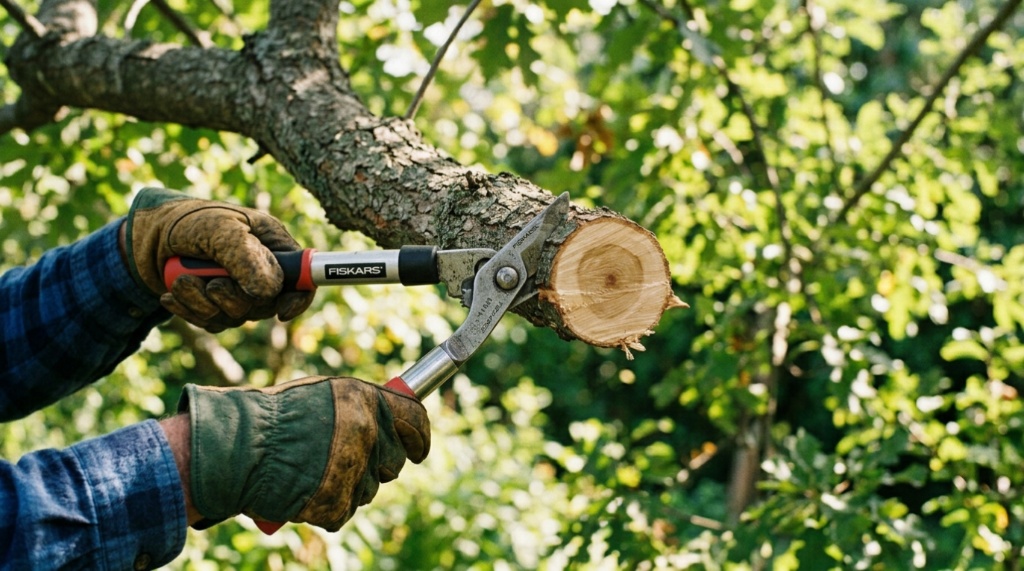
The best pruning tool depends on branch diameter, cutting height, and wood density.
Using an undersized or oversized tool creates unnecessary effort and increases the likelihood of accidents. Matching the tool to the branch size produces cleaner cuts and reduces strain.
| Branch Diameter | Recommended Tool | Best Use |
|---|---|---|
| Up to ½ inch | Hand Pruners | Small shoots and twigs |
| ½–2 inches | Loppers | Medium branches |
| 2–6 inches | Pruning Saw | Larger limbs |
| Above 6 inches | Chainsaw (experienced users) | Major limb removal |
| High branches | Pole Pruner | Overhead pruning |
A pruning saw is often the most versatile tool for homeowners because it cuts efficiently through medium-sized branches without the complexity of power equipment. If you’re comparing options, this detailed guide to choosing the best pruning saw for home and garden work can help identify the right model for your needs.
When Should You Use Hand Pruners?
Hand pruners are ideal for live stems, small branches, and precision pruning tasks.
Bypass pruners create cleaner cuts than anvil-style pruners and are generally preferred for living wood. They minimize tissue damage and encourage faster healing.
Are Loppers Better Than Pruners?
Loppers provide greater leverage and are better for thicker branches that exceed hand-pruner capacity.
Long handles increase cutting power while allowing users to maintain a safer distance from thorny plants or dense canopies.
How Do You Use the Three-Cut Method for Large Branches?
The three-cut method prevents bark tearing and protects the tree from structural damage.
When removing large branches, a single cut often causes the branch’s weight to strip bark downward as it falls. The three-cut technique eliminates this problem.
Step 1: Make an Undercut
Create a shallow cut approximately 6–12 inches from the trunk on the underside of the branch. Cut about one-third through the branch.
Step 2: Make the Top Cut
Move slightly farther out and cut from the top downward. The branch will break away cleanly between the two cuts.
Step 3: Remove the Stub
Cut the remaining stub just outside the branch collar without damaging the collar itself.
This method is considered the industry standard in arboriculture because it reduces tree stress and improves wound recovery.
Where Exactly Should You Cut a Tree Branch?
You should cut just outside the branch collar without leaving a long stub or cutting flush against the trunk.
The branch collar is the slightly swollen area where the branch joins the trunk. This tissue contains specialized cells that help seal wounds after pruning.
Cutting too close removes protective tissue. Leaving long stubs delays healing and creates opportunities for decay organisms to enter.
Proper branch collar cuts:
- Promote natural wound closure
- Reduce fungal infections
- Minimize insect infestation
- Improve long-term tree health
- Maintain structural integrity
Precision matters during pruning just as it does during mechanical maintenance. For example, tasks involving controlled hydraulic system adjustments require careful technique to avoid performance problems, much like incorrect branch cuts can affect tree health for years.
What Are the Most Effective Branch Cutting Techniques?
The most effective branch cutting techniques combine proper positioning, controlled sawing motions, and strategic branch management.
Professional arborists rely on several proven methods to improve safety and cut quality.
Use Smooth, Controlled Strokes
Avoid aggressive sawing. Let the blade do the work. Sharp pruning saws cut efficiently with steady pressure.
Support Heavy Branches
Large limbs should never be allowed to swing freely during removal. Reduce weight gradually by removing smaller sections first.
Cut Branches in Sections
For oversized limbs, remove manageable pieces before cutting the final section near the trunk.
Maintain Proper Body Position
Stand to one side of the cutting path rather than directly underneath the branch.
Inspect Branch Tension
Branches bent by wind, storm damage, or neighboring limbs may contain stored energy that releases suddenly when cut.
When Is the Best Time to Cut Tree Branches?
Late winter and early spring are generally the best times for pruning most trees.
Timing affects healing speed, disease resistance, and future growth patterns.
| Tree Type | Best Pruning Time | Reason |
|---|---|---|
| Deciduous Trees | Late Winter | Dormant growth stage |
| Fruit Trees | Late Winter/Early Spring | Improved fruit production |
| Flowering Trees | After Blooming | Preserves flowers |
| Evergreens | Late Spring | Supports healthy growth |
| Dead Branch Removal | Any Time | Safety priority |
Avoid heavy pruning during extreme heat, severe drought, or active disease outbreaks.
How Can You Cut High Tree Branches Safely?
Pole pruners and pole saws are the safest tools for reaching elevated branches without climbing.
Many homeowners attempt risky ladder-based pruning when a telescoping tool would provide a safer alternative.
Safe overhead pruning tips:
- Keep both feet on stable ground
- Inspect poles for cracks
- Avoid overextending reach
- Watch for falling debris
- Wear a hard hat when appropriate
- Never combine ladders with pole tools
If branches are located near electrical wires, contact utility professionals rather than attempting removal yourself.
What Mistakes Should You Avoid When Cutting Tree Branches?
Avoiding common pruning mistakes protects both the tree and the person performing the work.
Making Flush Cuts
Removing the branch collar slows healing and increases disease risk.
Leaving Long Stubs
Stubs decay slowly and create entry points for pests.
Using Dull Blades
Dull tools crush tissue rather than cutting cleanly.
Topping Trees
Removing large portions of the crown creates weak regrowth and structural instability.
Removing Too Much Foliage
Excessive pruning reduces energy production and stresses the tree.
Ignoring Personal Protective Equipment
Eye injuries and hand injuries remain among the most common pruning-related incidents.
How Do Professionals Keep Trees Healthy After Pruning?
Professional arborists focus on clean cuts, proper timing, and balanced canopy management rather than wound dressings.
Modern research indicates that most pruning sealants provide little benefit and may trap moisture inside wounds. Healthy trees naturally compartmentalize damaged tissue.
After pruning:
- Remove broken branches immediately
- Water during drought periods
- Apply mulch around the root zone
- Monitor for disease symptoms
- Avoid unnecessary additional pruning
- Inspect growth response annually
Trees that receive proper pruning often experience stronger branch structure, improved air circulation, reduced disease pressure, and enhanced appearance.
Conclusion: How Can You Cut Tree Branches Safely Every Time?
Safe tree pruning comes down to three fundamentals: choosing the correct tool, following proven branch cutting techniques, and making cuts in the proper location.
Whether you’re removing small twigs with hand pruners, trimming medium limbs with loppers, or tackling larger branches using a pruning saw, the goal remains the same—clean cuts that protect both the tree and the operator. Using the three-cut method, preserving the branch collar, maintaining sharp tools, and pruning during appropriate seasons all contribute to healthier trees and safer projects.
For homeowners looking to improve equipment selection and maintenance practices, exploring detailed guides on specialized outdoor and hand tools can help build safer long-term pruning habits and improve overall project efficiency.
Before your next pruning session, inspect your tools, plan each cut carefully, and prioritize safety over speed. A few extra minutes of preparation can prevent injuries, reduce tree stress, and produce better results that benefit your landscape for years to come.
Frequently Asked Questions (FAQ)
What is the best tool for cutting thick tree branches?
A pruning saw is generally the best tool for branches between 2 and 6 inches in diameter. It offers better control than power equipment while producing clean cuts with less effort than loppers.
Can I cut tree branches close to the trunk?
You should cut just outside the branch collar rather than flush against the trunk. Preserving the collar allows the tree to seal the wound naturally and reduces decay risk.
Should tree branches be cut at an angle?
Most branch cuts should follow the natural angle of the branch collar. The objective is not creating a steep angle but preserving collar tissue while encouraging proper healing.
Is it safe to cut branches from a ladder?
Using ladders for tree pruning increases risk significantly. Pole pruners or professional arborist services are often safer alternatives for elevated branches.
Can pruning kill a tree?
Improper or excessive pruning can seriously weaken a tree. Removing too much foliage reduces photosynthesis and increases vulnerability to disease and environmental stress.
How often should trees be pruned?
Most mature trees benefit from inspection every year and pruning every three to five years. Growth rate, species, health, and environmental conditions influence the ideal schedule.
Do pruning wounds need sealant?
Most experts do not recommend routine wound sealants. Healthy trees naturally compartmentalize wounds more effectively without artificial coverings.