How to Choose Saltwater Fishing Tools That Last Longer
Saltwater is a tool killer. It corrodes metal, seizes mechanisms, dulls edges, and turns expensive gear into rusty junk faster than any other fishing environment. An angler in Florida learned this expensive lesson watching three pairs of pliers rust into uselessness in a single season — until he understood that surviving saltwater requires specific materials, construction, and care that freshwater tools simply don’t need. Choosing saltwater fishing tools that last longer means prioritizing corrosion-resistant materials, sealed construction, and proper maintenance from the start. The difference between tools that survive years of saltwater and those that fail in weeks comes down to material choice — with stainless steel fishing pliers and titanium leading the way for genuine saltwater durability.
The harsh chemistry of saltwater means that gear choices forgivable in freshwater become critical failures in the salt. Salt accelerates corrosion exponentially, attacking any vulnerable metal, working into every joint and mechanism, and degrading cutting edges. Tools that aren’t specifically built for saltwater don’t stand a chance — they rust, seize, and fail, wasting your money and failing you on the water. Understanding what makes a tool saltwater-durable, and how to maintain it, ensures your investment lasts. This guide reveals how to choose saltwater fishing tools that genuinely last longer in the most demanding fishing environment.
Why Does Saltwater Destroy Fishing Tools So Quickly?
Saltwater destroys tools through accelerated corrosion — salt acts as an electrolyte that dramatically speeds up the oxidation (rusting) of vulnerable metals, working into joints and mechanisms to seize them and degrading cutting edges far faster than freshwater.
The saltwater corrosion problem:
- Salt as electrolyte: Salt water conducts electricity, accelerating the electrochemical reaction that causes corrosion. Metals rust far faster than in freshwater or air.
- Penetration into mechanisms: Salt water works into plier joints, spring mechanisms, and moving parts, corroding them internally and causing seizing.
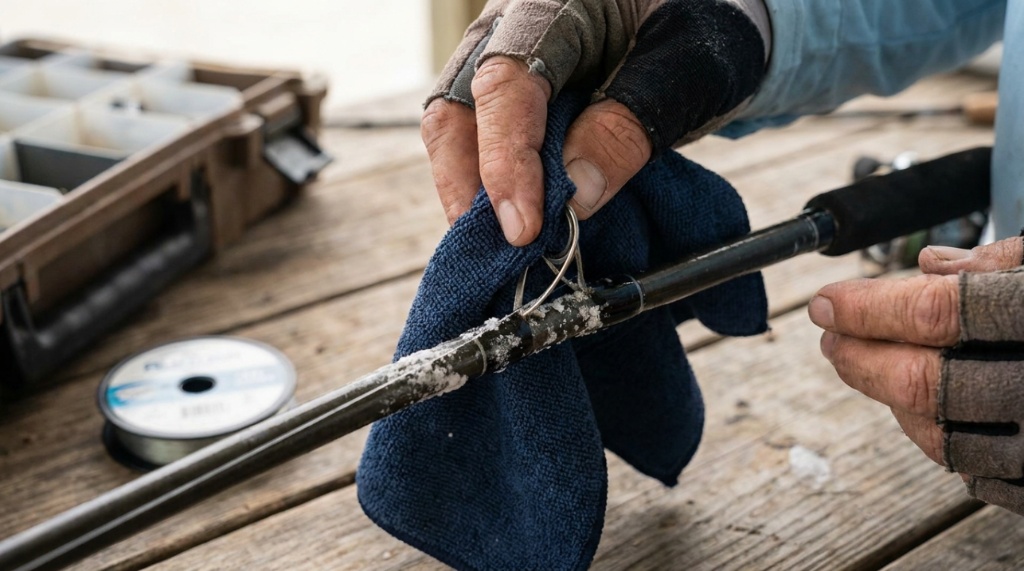
- Salt crystal residue: As saltwater dries, it leaves salt crystals that continue attracting moisture and corroding even after the tool is out of the water.
- Edge degradation: Corrosion pits and dulls cutting edges, ruining line cutters and blades.
- Galvanic corrosion: Different metals in contact (in poorly designed tools) corrode faster in saltwater’s conductive environment.
This is why a tool that lasts years in freshwater can fail in weeks in saltwater. The environment is fundamentally more aggressive, demanding materials and construction specifically designed to resist it.
What Materials Last Longest in Saltwater?
Titanium and marine-grade stainless steel (especially 316 stainless) last longest in saltwater. Titanium offers the best corrosion resistance, while 316 marine-grade stainless provides excellent resistance at a more affordable price.
Material durability ranking for saltwater:
| Material | Saltwater Resistance | Cost | Best For |
|---|---|---|---|
| Titanium | Excellent (virtually immune) | Premium | Frequent/serious saltwater |
| 316 marine-grade stainless | Excellent | Moderate | Most saltwater anglers |
| 304 stainless | Good | Affordable | Occasional saltwater |
| Anodized aluminum | Good (if coating intact) | Affordable | Light saltwater use |
| Coated carbon steel | Poor (fails when coating chips) | Cheap | Avoid for saltwater |
| Uncoated carbon steel | Terrible (rusts immediately) | Cheapest | Never for saltwater |
For most saltwater anglers, 316 marine-grade stainless steel is the practical choice — excellent corrosion resistance at a reasonable price. Titanium is worth the premium for frequent or serious saltwater fishing where its near-immunity to corrosion justifies the cost. Avoid carbon steel entirely for saltwater.
Why Are Stainless Steel Fishing Pliers the Saltwater Standard?
Stainless steel fishing pliers are the saltwater standard because marine-grade stainless (316) resists the corrosion that destroys other materials, maintains smooth mechanism operation, holds cutting edges, and offers an excellent balance of durability and affordability.
Why stainless steel pliers excel in saltwater:
- Corrosion resistance: Marine-grade stainless resists rust even with regular saltwater exposure, especially when rinsed after use.
- Mechanism durability: The joint and spring mechanisms resist seizing that destroys lesser tools.
- Edge retention: Stainless cutting edges resist the corrosion-pitting that dulls other materials.
- Strength: Stainless steel is strong enough for heavy saltwater species and tasks like crimping leaders.
- Value: Excellent corrosion resistance at a fraction of titanium’s cost makes stainless the practical choice for most.
Quality stainless steel pliers handle the core saltwater tasks — hook removal, crimping, split rings, line cutting — while surviving the corrosive environment. They’re the workhorse of saltwater tool kits. Look specifically for 316 marine-grade stainless rather than generic “stainless steel,” as the grade significantly affects corrosion resistance.
What Construction Features Improve Saltwater Tool Longevity?
Saltwater tool longevity improves with sealed or corrosion-resistant mechanisms, replaceable cutters, quality springs, secure non-slip grips, and lanyard attachments — features that resist corrosion and prevent the loss of tools overboard.
Longevity-enhancing construction:
- Corrosion-resistant mechanisms: Joints and springs made from or coated with corrosion-resistant materials prevent seizing.
- Replaceable cutters: Since cutting edges degrade fastest, replaceable cutter blades extend tool life significantly — replace the blade, not the whole tool.
- Quality springs: Saltwater-resistant springs maintain smooth operation. Cheap springs corrode and fail first.
- Non-slip grips: Secure grips for wet, slimy hands improve usability and prevent dropping.
- Lanyard attachment: A lanyard hole prevents losing tools overboard — a practical longevity feature (a dropped tool is gone forever).
- Sealed construction: Designs that minimize crevices where salt accumulates resist corrosion better.
How Do You Maintain Saltwater Tools to Maximize Their Life?
Maximize saltwater tool life by rinsing thoroughly with fresh water after every use, drying completely, lubricating moving parts regularly, and storing in a dry environment — diligent maintenance is as important as material choice for longevity.
Essential saltwater maintenance:
- Rinse after every use (critical): Thoroughly rinse with fresh water immediately after saltwater use. This removes corrosive salt before it can attack the metal. The single most important habit.
- Dry completely: Wipe down and air dry fully. Trapped moisture continues corrosion even in stainless steel.
- Lubricate moving parts: Apply corrosion inhibitor or reel oil to joints and springs regularly. This protects mechanisms and keeps them operating smoothly.
- Store dry: Keep tools in a dry place, not a damp tackle bag. Moisture accelerates corrosion.
- Periodic deep clean: Occasionally disassemble (if possible) or thoroughly clean mechanisms to remove accumulated salt.
- Inspect regularly: Check for early corrosion signs and address them before they worsen.
The reality: even the best titanium tool will corrode if you never rinse off the salt, while a maintained stainless tool lasts for years. Material choice and maintenance work together — neither alone guarantees longevity. Diligent post-use rinsing is the cornerstone of saltwater tool survival.
How Much Should You Spend on Saltwater Fishing Tools?
Budget $30–$80 for quality saltwater fishing tools. Marine-grade stainless tools at $30–$60 serve most saltwater anglers well, while titanium tools at $60–$150 are worth it for frequent or serious saltwater fishing where maximum corrosion resistance pays off.
Saltwater tool budget guide:
- $30–$60 (marine-grade stainless): The practical choice for most saltwater anglers. Excellent corrosion resistance with proper care. Best value.
- $60–$100 (premium stainless/entry titanium): Better construction, replaceable cutters, sometimes titanium. Worth it for frequent saltwater anglers.
- $100–$150+ (titanium/premium brands): Maximum corrosion resistance, top construction (Van Staal, etc.). For serious offshore and frequent saltwater enthusiasts.
The value insight: don’t buy cheap carbon steel tools for saltwater regardless of how affordable — they’ll fail fast and waste your money. Invest in at least marine-grade stainless. For most saltwater anglers, a $30–$60 marine-grade stainless tool, properly maintained, delivers years of service. Reserve titanium for frequent, serious saltwater fishing where its premium corrosion resistance justifies the cost.
What Are the Signs a Tool Won’t Survive Saltwater?
Warning signs include unspecified or low-grade “stainless steel,” carbon steel construction, exposed mechanisms prone to seizing, no corrosion resistance claims, and suspiciously low prices that indicate corner-cutting on materials.
Red flags for saltwater unsuitability:
- Vague material claims: “Stainless steel” without specifying grade (304 vs. 316). For saltwater, you want 316 marine-grade specified.
- Carbon steel construction: Will rust quickly in saltwater regardless of coating. Avoid entirely.
- No corrosion resistance mention: Quality saltwater tools advertise their corrosion resistance. Silence on this suggests it’s not a strength.
- Exposed, complex mechanisms: Lots of crevices and exposed joints that trap salt and seize.
- Suspiciously cheap: A $10 “saltwater” tool almost certainly cuts corners on materials. Quality corrosion resistance costs more.
- No reviews mentioning saltwater durability: Look for verified reviews confirming the tool survives saltwater use.
- How Do You Choose Between Stainless Steel and Titanium for Saltwater?
Selecting durable gear is especially crucial when battling extreme weather conditions. For anglers heading north, finding reliable hand protection is just as important as picking the right pliers or reels. Investing in dependable, cost-effective gear—such as Budget Fishing Gloves for Alaska Trips—ensures your hands stay warm, dry, and protected from slick, salty surfaces without breaking the bank.
Choose marine-grade stainless steel for occasional-to-regular saltwater use (excellent resistance, affordable), and titanium for frequent, heavy, or harsh saltwater fishing (offshore, daily use) where its near-immunity to corrosion justifies the premium price.
Stainless vs. titanium decision:
- Choose marine-grade stainless (316) if: You fish saltwater occasionally to regularly, want excellent value, will maintain your tools properly, and don’t need absolute maximum corrosion resistance. Suits most saltwater anglers.
- Choose titanium if: You fish saltwater frequently or daily, do offshore/harsh saltwater fishing, want minimal maintenance worry, value the lightest weight, and don’t mind the premium price. For serious saltwater enthusiasts.
The practical reality: marine-grade stainless steel handles the vast majority of saltwater anglers’ needs at a fraction of titanium’s cost, especially with proper rinsing and maintenance. Titanium’s advantages — near-immunity to corrosion and lighter weight — genuinely matter only for those who fish saltwater intensely and frequently enough that the difference translates to real benefits. For most, stainless is the smart, durable, affordable choice.
Conclusion
Choosing saltwater fishing tools that last longer comes down to two factors working together: corrosion-resistant materials and diligent maintenance. Saltwater’s aggressive chemistry destroys vulnerable tools fast, so prioritize marine-grade stainless steel (316) or titanium construction, quality corrosion-resistant mechanisms, and features like replaceable cutters and lanyard attachments. Avoid carbon steel entirely — it has no place in saltwater regardless of price.
For most saltwater anglers, quality 316 marine-grade stainless steel tools at $30–$60, properly maintained, deliver years of reliable service. Reserve titanium’s premium for frequent, serious saltwater fishing. But remember: even the best material fails without maintenance. Rinse your tools with fresh water after every single saltwater use, dry them completely, lubricate the mechanisms, and store them dry. Material choice and maintenance together determine longevity — get both right, and your saltwater tools will survive the harsh environment and serve you reliably for years rather than failing in weeks.
How often do you fish saltwater and what’s your budget? Share in the comments — I’ll help you decide between marine-grade stainless and titanium and recommend the maintenance routine that maximizes your tools’ life.
Frequently Asked Questions
What material is best for saltwater fishing tools?
Titanium offers the best corrosion resistance (virtually immune) but is premium-priced. 316 marine-grade stainless steel provides excellent resistance at a more affordable price and is the practical choice for most saltwater anglers. Avoid carbon steel entirely — it rusts quickly in saltwater regardless of coating.
Why do my saltwater fishing tools rust so fast?
Because saltwater accelerates corrosion dramatically — salt acts as an electrolyte speeding up rusting, penetrates mechanisms to seize them, and leaves corrosive residue. If your tools rust fast, they’re likely made from inadequate material (carbon steel or low-grade stainless) or you’re not rinsing them with fresh water after use.
Are stainless steel fishing pliers good for saltwater?
Yes — marine-grade (316) stainless steel pliers are the saltwater standard. They resist corrosion, maintain smooth mechanism operation, hold cutting edges, and offer excellent durability-to-price value. Look specifically for 316 marine-grade stainless rather than generic “stainless steel” for the best saltwater corrosion resistance.
How do I maintain saltwater fishing tools?
Rinse thoroughly with fresh water after every use (the most critical habit), dry completely, lubricate moving parts regularly with corrosion inhibitor or reel oil, and store in a dry place. Diligent post-use rinsing removes corrosive salt before it attacks the metal, dramatically extending tool life.
Is titanium worth it for saltwater fishing tools?
Titanium is worth it for frequent, heavy, or harsh saltwater fishing (offshore, daily use) where its near-immunity to corrosion and lighter weight justify the premium price. For occasional-to-regular saltwater use, marine-grade stainless steel handles your needs at a fraction of the cost with proper maintenance.
How much should I spend on saltwater fishing tools?
Budget $30–$80 for quality saltwater tools. Marine-grade stainless tools at $30–$60 serve most saltwater anglers well with proper care. Titanium tools at $60–$150 are worth it for frequent or serious saltwater fishing. Never buy cheap carbon steel tools for saltwater — they fail fast and waste money.
What’s the most important factor for saltwater tool longevity?
Material choice and maintenance work together. Corrosion-resistant material (316 stainless or titanium) is essential, but even the best material fails without rinsing off salt after use. Rinsing with fresh water after every saltwater use is the single most important habit — it removes corrosive salt before it can attack the tool.