How to Plan Zero Waste Birthday Gifts for Kids the Smart Way
Planning a child’s birthday celebration brings joy and excitement. However, traditional parties often generate mountains of waste through disposable decorations, plastic toys, and excessive packaging. Parents increasingly seek ways to celebrate their children while respecting the environment and teaching valuable lessons about sustainability.
Creating a memorable birthday experience doesn’t require filling landfills or cluttering homes with items children will forget within weeks. Instead, thoughtful planning can lead to celebrations that kids love while minimizing environmental impact. This guide will show you how to choose meaningful gifts and create lasting memories without the waste.
Understanding the Problem with Traditional Birthday Gifts
Walk into any toy store, and you’ll find shelves packed with plastic items wrapped in even more plastic. Most of these products have short lifespans. Children play with them briefly before moving on to the next shiny object. Meanwhile, the packaging and broken toys end up in landfills where they’ll remain for centuries.
Statistics paint a sobering picture. The average child receives approximately seven gifts at a birthday party. Multiply that by the number of birthdays and children worldwide, and the waste becomes staggering. Additionally, many toys contain materials that can’t be recycled, making their environmental footprint even larger.
Beyond environmental concerns, excessive gifts can overwhelm children. Studies show that kids with fewer toys actually play more creatively and focus better. Therefore, shifting toward quality over quantity benefits both the planet and child development.
Shifting Your Mindset About Gift Giving
The first step in planning eco birthday presents involves rethinking what makes a gift special. Children don’t need elaborate packages or expensive items to feel loved. They need experiences, attention, and opportunities to explore their interests.
Consider what brings lasting joy versus temporary excitement. A toy that breaks after a week provides minimal value. However, an experience shared with family creates memories that last a lifetime. This perspective shift helps you focus on meaningful choices rather than simply buying more stuff.
Talk with your child about sustainability in age-appropriate ways. Even young children can understand that we want to take care of our planet. Involving them in the planning process teaches valuable lessons while ensuring the celebration reflects their interests.
Experience-Based Gifts That Create Lasting Memories
Experiences make exceptional gifts that generate zero physical waste. They provide opportunities for growth, learning, and quality time together. Moreover, children often remember these experiences long after forgotten toys have been donated or discarded.
Museum memberships offer year-round enjoyment and learning opportunities. Many museums have family-friendly exhibits that engage children while teaching them about science, art, history, or nature. A membership means you can visit repeatedly without worrying about admission costs.
Classes or lessons aligned with your child’s interests provide ongoing enrichment. Dance classes, martial arts, art lessons, music instruction, or sports programs all offer skill development and social interaction. These activities build confidence and competence while creating no physical waste.
Tickets to shows, concerts, or sporting events create special occasions to anticipate. The excitement builds before the event, the experience itself becomes a cherished memory, and conversations afterward extend the enjoyment. Consider choosing events you can attend together for added bonding time.
Adventure experiences like rock climbing, zip-lining, or visiting an amusement park provide thrilling memories. For younger children, a trip to a petting zoo, aquarium, or children’s discovery center works wonderfully. These outings combine fun with learning and create stories to tell for years.
Consumable Gifts That Disappear Without Waste
Consumable items serve a purpose and then disappear naturally, leaving no clutter or landfill contribution. These waste-free party gifts satisfy the desire to give something tangible while maintaining environmental consciousness.
Homemade treats show thoughtfulness and care. Baking cookies, making candy, or creating special snack mixes allows you to control ingredients and packaging. Present them in reusable containers or compostable packaging for a completely sustainable option.
Art supplies encourage creativity and get used up through play. High-quality colored pencils, watercolor paints, modeling clay, or craft materials provide hours of entertainment. Choose items packaged minimally or in recyclable materials when possible.
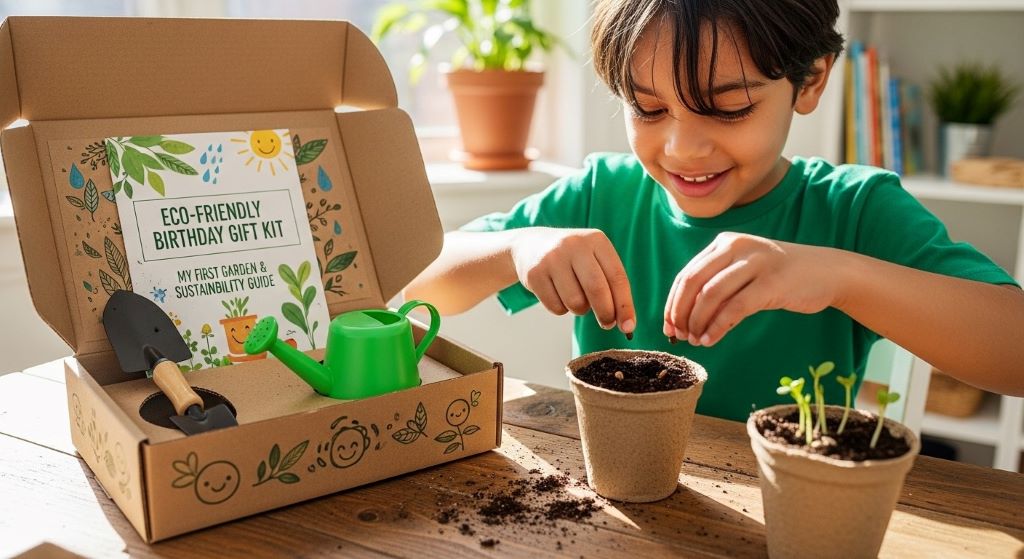
Seeds or plant starter kits combine education with fun. Children love watching things grow, and this gift teaches responsibility and connects them with nature. Herb gardens, flower seeds, or even a small tree seedling make meaningful gifts that benefit the environment.
Bath products designed for children offer a practical consumable option. Bubble bath, soap crayons, bath bombs, or special shampoos make routine activities more fun. Look for products with natural ingredients and minimal packaging.
Secondhand and Vintage Treasures
Buying used items doesn’t mean giving inferior gifts. In fact, many secondhand items offer better quality than modern equivalents. Vintage toys often feature superior craftsmanship and durability compared to today’s mass-produced plastic alternatives.
Thrift stores and consignment shops hold hidden gems waiting to be discovered. Board games in excellent condition, classic books, puzzles, and quality toys appear regularly. Shopping secondhand reduces demand for new production while giving existing items new life.
Online marketplaces make finding specific items easier than ever. Websites and apps dedicated to children’s items connect sellers with buyers. You can often find like-new or even unused items at a fraction of retail prices.
Vintage items carry special charm and character. A classic wooden toy, antique book, or retro game often captivates children more than modern equivalents. These items also tend to be more durable, potentially lasting for generations.
When purchasing secondhand, inspect items carefully for safety. Check for recalls, broken parts, or materials that might pose hazards. Clean items thoroughly before gifting to ensure they’re fresh and ready for enjoyment.
Handmade Gifts That Show Extra Care
Creating something yourself demonstrates thoughtfulness and effort that store-bought items can’t match. Handmade gifts often become treasured keepsakes that children value throughout their lives.
Sewn items like stuffed animals, dolls, or clothing offer personalization options. You can choose fabrics that reflect the child’s favorite colors or characters. Additionally, handmade textile items often prove more durable than mass-produced alternatives.
Woodworking projects create lasting toys and useful items. Simple wooden blocks, puzzles, toy cars, or furniture sized for dolls provide endless play opportunities. Wood from sustainable sources offers an environmentally friendly material that biodegrades naturally.
Knitted or crocheted items combine practicality with sentiment. Blankets, hats, scarves, or stuffed toys made by hand carry warmth beyond their physical properties. Children often form strong attachments to these comfort items.
Art projects created specifically for the birthday child show special consideration. A painting for their room, a custom-made mobile, or decorated storage boxes add personality to their space while demonstrating your care and attention.
Even if you’re not particularly crafty, simple projects work beautifully. Decorated picture frames, personalized bookmarks, or hand-painted plant pots require minimal skill but maximum thoughtfulness. The effort you invest matters more than professional polish.
Building Collections and Encouraging Hobbies
Rather than giving random items, consider starting or adding to a collection. This approach provides direction for future gifts while encouraging deeper engagement with specific interests.
Book collections offer endless possibilities. Start with a favorite author, series, or genre. Children often read and reread beloved books, making them excellent long-term investments. Books can be borrowed, shared, and eventually passed along to others.
Sports equipment supports active lifestyles and skill development. A basketball, soccer ball, or baseball glove encourages outdoor play and physical fitness. Quality equipment lasts for years and gets passed down to younger siblings or friends.
Science kits or building sets promote learning through play. Sets that expand over time with additional pieces provide ongoing engagement. Look for options made from sustainable materials or with recyclable components.
Musical instruments introduce children to the joy of making music. Even simple instruments like harmonicas, recorders, or percussion items provide entry points. As interest grows, investments in quality instruments make sense.
Collections related to nature study encourage outdoor exploration. Binoculars, field guides, collection jars, or magnifying glasses turn walks into adventures. These tools support learning while connecting children with the natural world.
Organizing a Waste-Free Birthday Party
The gifts themselves represent only part of the equation. The party itself often generates significant waste through decorations, party favors, and serving materials. However, celebrating sustainably doesn’t mean sacrificing fun or festivity.
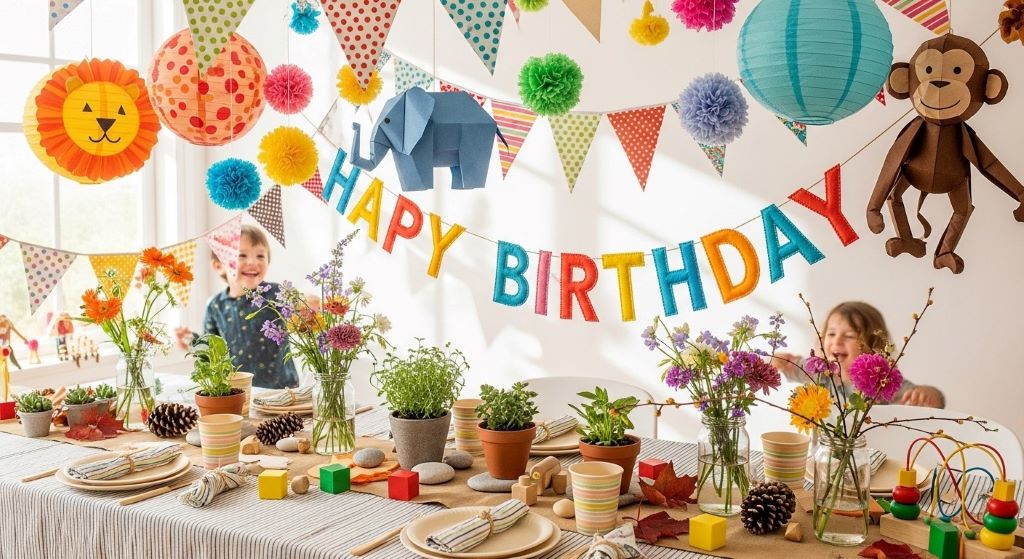
Reusable decorations cut waste dramatically. Fabric bunting, paper chains made from recycled materials, or natural elements like flowers and branches create festive atmospheres. Store these items carefully for use at future celebrations.
Skip the party favors entirely or choose consumable alternatives. Small bags of homemade treats, seeds to plant, or temporary tattoos satisfy the tradition without creating lasting waste. Alternatively, focus energy on making the party itself so fun that guests don’t miss take-home trinkets.
Serve food on real plates with real utensils whenever possible. If disposables are necessary due to venue or number of guests, choose compostable options made from bamboo or other sustainable materials. Avoid plastic cutlery and Styrofoam plates completely.
Activities rather than stuff make parties memorable. Organized games, craft stations, outdoor adventures, or entertainment like magicians or musicians provide excitement without physical waste. Children remember fun experiences long after forgotten trinkets end up in the trash.
Communicating Your Preferences to Others
Friends and family members will likely want to bring gifts to your child’s celebration. Communicating your preferences clearly helps them choose appropriate options while avoiding awkwardness.
Include information on invitations about your approach. A simple note like “Your presence is the best present” or “We’re celebrating sustainably this year” sets expectations. You might suggest experience gifts, books, or donations to favorite charities.
Create a specific wish list when asked. Rather than leaving gift-givers guessing, provide concrete suggestions that align with your values. This guidance helps them feel confident their gift will be appreciated.
Emphasize that presence matters more than presents. Let people know that coming to celebrate means everything to your child. Many guests feel relieved not to shop for yet another plastic toy.
Be gracious about gifts that don’t align with your goals. Despite your communication, some people will bring traditional wrapped toys. Thank them sincerely and handle the items after the party. You might donate them, save them for future regifting, or exchange them for something more suitable.
Teaching Children About Sustainable Choices
Involving your child in sustainable gift planning teaches valuable life lessons. These conversations help them develop environmental awareness and gratitude for what they receive.
Discuss why you’re making these choices in age-appropriate ways. Young children understand taking care of animals and nature. Older kids can grasp concepts like pollution, resource conservation, and mindful consumption.
Let children help choose their experience gifts. When they participate in selecting museum memberships, classes, or outings, they feel more invested and excited. This involvement also ensures the gifts match their genuine interests.
Encourage donating or passing along items they’ve outgrown. Before each birthday, help your child sort through existing toys and clothes. Items in good condition can go to younger cousins, friends, or charitable organizations. This practice creates space for new things while helping others.
Model gratitude and appreciation for non-material gifts. Express enthusiasm about experiences and show how much you value time together. Children learn by watching how adults prioritize and value different types of gifts.
Finding Quality Over Quantity
When you do purchase physical items, focus on quality pieces that will last. One well-made item provides more value than several cheap alternatives that break quickly.
Research products before purchasing. Read reviews, check materials, and investigate company practices. Items made from sustainable materials by ethical companies align better with waste-reduction goals.
Consider versatility when selecting items. Toys that can be used in multiple ways or grow with the child offer better long-term value. Open-ended play items like building blocks, art supplies, or dress-up clothes provide years of engagement.
Invest in items that can be repaired rather than replaced. Quality wooden toys, metal construction sets, or well-made clothing can be fixed when damaged. This extends their useful life significantly.
Choose items designed to be passed down. Classic toys, quality books, and durable outdoor equipment can serve multiple children over many years. This perspective shift changes purchasing decisions significantly.
Creating New Traditions
Moving toward sustainable celebrations offers opportunities to create meaningful family traditions. These customs can become highlights that children anticipate and remember fondly.
Start birthday morning rituals that don’t involve gifts. Special breakfast foods, singing songs, or reviewing photos from previous years create festive feelings. These moments become as anticipated as presents.
Establish annual birthday outings suited to each child’s interests. One child might love beach trips, while another prefers hiking or visiting a particular museum. These traditions create anticipation and lasting memories.
Involve extended family in experience gifts. Grandparents might gift memberships, lessons, or special outings. This approach helps relatives feel connected while supporting your sustainable goals.
Document celebrations through photos and videos rather than accumulating objects. Creating albums or videos to watch on future birthdays provides entertainment and nostalgia without physical clutter.
Conclusion
Planning eco birthday presents and organizing waste-free party gifts requires thoughtful consideration but delivers rewards beyond environmental benefits. Children receive meaningful gifts that encourage growth, learning, and joyful experiences rather than temporary plastic entertainment.
The shift from quantity to quality teaches important values about sustainability, gratitude, and mindful consumption. These lessons serve children throughout their lives as they develop their own purchasing and gift-giving habits.
Remember that perfection isn’t the goal. Every small step toward reducing waste makes a difference. Start with changes that feel manageable and build from there. Over time, sustainable celebrating becomes natural rather than challenging.
By focusing on experiences, consumables, quality items, and handmade treasures, you create celebrations that honor both your child and the planet. These birthdays become examples of how joy and environmental responsibility can coexist beautifully.
Frequently Asked Questions
How do I explain to my child why they’re getting fewer physical gifts?
Frame the conversation positively by emphasizing the special experiences or quality items they’ll receive instead. Explain that you’re choosing things that will bring longer-lasting happiness. Most children adapt quickly when they see the exciting alternatives available. Focus on what they’re gaining rather than what they’re missing.
What if relatives insist on buying traditional toys despite my requests?
Accept gifts graciously in the moment, then handle them privately later. You might keep a few items, donate others to children who need them, or save them for regifting. Have a gentle conversation with persistent gift-givers explaining your reasons and offering specific alternative suggestions that would truly delight your child.
Are experience gifts suitable for very young children?
Absolutely! Even toddlers enjoy experiences like visits to petting zoos, children’s museums, or special playground outings. Age-appropriate classes like music, movement, or art work wonderfully. Young children often prefer experiences with loved ones over toys anyway, making this approach particularly effective.
How can I make a party feel special without traditional decorations and favors?
Focus energy on engaging activities, delicious food, and quality time with friends. Create one or two stunning focal points using natural or reusable materials. Children remember fun games, exciting activities, and being surrounded by people who care about them far more than they remember disposable decorations.
What’s the best way to start transitioning if we’ve always done traditional parties?
Begin gradually by incorporating one or two sustainable elements each year. You might start by switching to reusable decorations while still having traditional gifts. Next year, add experience gifts to the mix. This gradual approach feels less overwhelming and helps everyone adjust to new expectations without feeling deprived.
Related Topics:
What is the 5 Gift Rule for Kids?
Thoughtful Gift Ideas for Coworkers: Strengthening Workplace Bonds