How to Pack Travel Camping Essentials for Your Next Adventure
There is nothing quite like heading into the great outdoors. The fresh air, the open sky, and the freedom of the trail are hard to beat. However, a camping trip can quickly go wrong if you are not properly prepared. What you pack, and how you pack it, makes all the difference.
Packing smart is a skill. It takes practice, but it also takes knowledge. You need to know which items are truly essential and which ones are just taking up space. This guide will walk you through everything you need to consider before your next adventure. Therefore, whether you are a first-time camper or a seasoned trail veteran, there is something useful here for everyone.
Start with a Clear Packing Plan
Before you grab a single item, take time to plan. Think about where you are going. Consider how long you will be away. Think about the weather forecast, the terrain, and the activities you have planned.
A short weekend camping trip requires far less gear than a two-week backcountry expedition. However, both require thoughtful preparation. Start by making a list. Divide it into categories such as shelter, sleeping, cooking, clothing, safety, and hygiene. This structure makes it easier to see what you have and what you still need.
Additionally, think about weight. Every item you pack adds to the load on your back or in your vehicle. Therefore, choose gear that serves multiple purposes wherever possible. A lightweight rain jacket, for example, can double as a windbreaker. A bandana can serve as a towel, a dust mask, or a pot holder.
Choosing the Right Bag or Pack
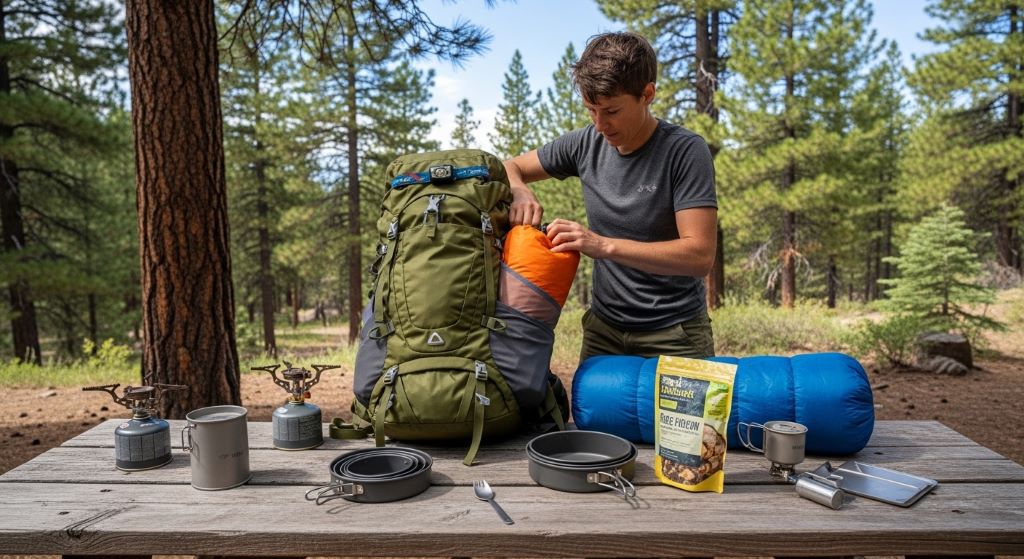
Your bag is the foundation of your entire packing system. Choosing the wrong one will cause problems from the moment you set off. For backpacking trips, a well-fitted hiking pack between 40 and 65 liters is a solid choice for most multi-day adventures.
For car camping, you have more flexibility. Large duffel bags or hard-sided bins work well since you do not need to carry them long distances. However, you should still pack with organization in mind. Knowing where everything is saves time and reduces frustration at camp.
When selecting your travel packing gear, look for waterproof or water-resistant materials. Rain happens, even when forecasts suggest otherwise. A pack cover adds an extra layer of protection and is worth the minimal weight it adds.
Shelter and Sleeping Essentials
Shelter is your first priority. Without reliable protection from the elements, everything else becomes secondary. Choose a tent that suits your needs. A three-season tent is ideal for most campers. It handles rain, wind, and mild cold without being overly heavy.
Practice setting up your tent at home before you go. There is nothing worse than struggling with unfamiliar poles in the dark or the rain. A few practice runs will build confidence and save you precious time at the campsite.
Additionally, your sleeping system is critical. A sleeping bag rated for the lowest temperature you expect to encounter is a smart choice. Pair it with a sleeping pad, which provides insulation from the cold ground and cushions your body. Many campers underestimate how much warmth a sleeping pad provides. It is just as important as the bag itself.
Must-Have Camping Tools for Every Trip
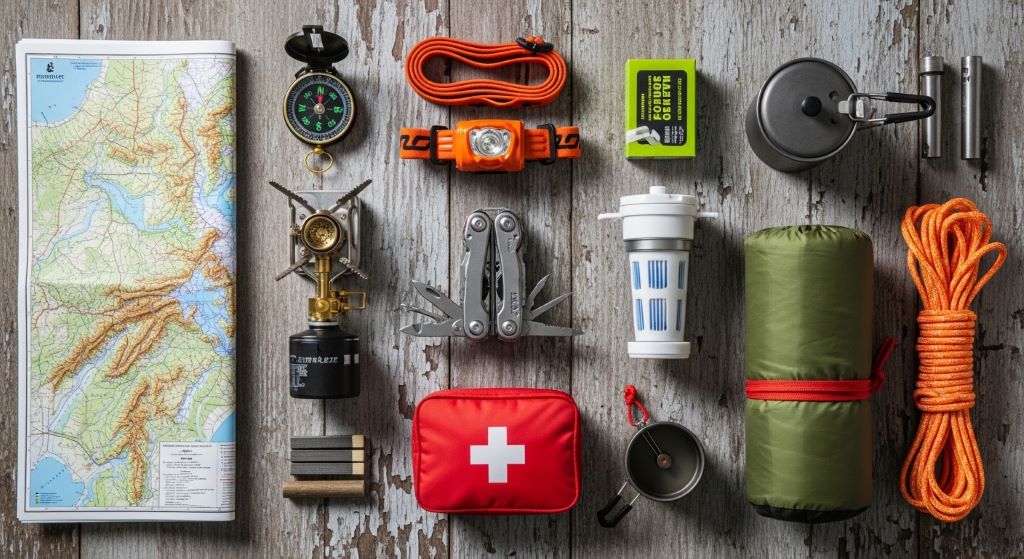
No packing list is complete without the must-have camping tools that keep your camp running smoothly. These are the items you will reach for again and again throughout your trip.
Navigation Tools
A map and compass are still the most reliable navigation tools available. Do not rely solely on your phone. Batteries die, and cell service disappears in remote areas. Learn to read a topographic map before your trip. It is a skill that could save your life.
Lighting
A headlamp is essential. It frees your hands for cooking, setting up camp, and navigating in the dark. Always pack spare batteries or choose a rechargeable model. A small lantern is also useful for lighting up your tent or picnic area in the evenings.
Fire-Starting Equipment
Fire provides warmth, light, and the ability to cook food. Pack at least two ways to start a fire. Waterproof matches and a lighter are a reliable combination. Additionally, a fire starter stick or dry tinder can make the process much easier in damp conditions.
Multi-Tool or Knife
A quality multi-tool or a fixed-blade knife is one of the most versatile items you can carry. Use it for food prep, gear repair, cutting rope, or handling small emergencies. Therefore, choose one that is durable and comfortable to hold.
First Aid Kit
Accidents happen outdoors. A well-stocked first aid kit is non-negotiable. Include bandages, antiseptic wipes, blister treatment, pain relievers, tweezers, and any personal medications. Know how to use what is inside. Consider taking a basic first aid course before any remote camping trip.
Cooking and Water Supplies
Eating well in the outdoors fuels your energy and lifts your spirits. However, cooking at camp requires the right equipment.
A lightweight backpacking stove with a small fuel canister is perfect for boiling water and heating meals quickly. For car camping, a two-burner propane stove offers more cooking flexibility. Always pack a pot, a pan, a spork or utensil set, and a biodegradable camp soap for washing up.
Water is your most vital resource. Carry a reusable water bottle and a water filter or purification tablets. Even clear mountain streams can contain harmful bacteria. Therefore, never drink untreated water from a natural source, no matter how clean it looks.
Plan your meals in advance. Choose foods that are lightweight, calorie-dense, and easy to prepare. Oatmeal, instant rice, nuts, dried fruit, and freeze-dried meals are all excellent options. Additionally, do not forget snacks for the trail. Energy bars and trail mix provide quick fuel when you need it most.
Clothing and Layering Strategy
Clothing is one area where many campers either overpack or underpack. The key is to use a layering system. This approach allows you to adjust your body temperature as conditions change throughout the day.
The base layer sits closest to your skin. Choose moisture-wicking materials like merino wool or synthetic fabric. Avoid cotton for base layers, as it retains moisture and makes you cold.
The middle layer provides insulation. A lightweight fleece or down jacket works well here. Finally, your outer layer protects you from wind and rain. A waterproof, breathable shell is ideal.
Additionally, always pack a warm hat and gloves, even in summer. Temperatures drop significantly at night in many outdoor environments. Dry socks are also worth their weight in gold. Pack one extra pair more than you think you will need.
Hygiene and Leave No Trace Supplies
Staying clean and healthy in the outdoors requires minimal but important supplies. Pack biodegradable soap, a small microfiber towel, toothbrush and toothpaste, hand sanitizer, and toilet paper in a sealable bag.
Practicing Leave No Trace principles is equally important. Carry a small waste bag for any trash. Never leave food scraps, wrappers, or waste at your campsite. Dispose of human waste properly by digging a cathole at least 200 feet from water sources, trails, and camp.
Sunscreen and insect repellent are also essential hygiene items. Prolonged sun exposure and insect bites can cause real discomfort and health issues. Therefore, apply sunscreen generously and reapply throughout the day.
Organizing Your Pack Like a Pro
Knowing what to pack is only half the job. Knowing how to pack it is just as important. A well-organized pack is easier to carry and easier to use.
Place heavy items close to your back and centered in your pack. This balances the load and reduces strain on your spine. Lighter items go toward the top and outside pockets. Items you need frequently, like snacks, sunscreen, and a rain cover, should be the most accessible.
Use packing cubes or dry bags to separate categories of gear. This makes it easy to find what you need without unpacking everything. Additionally, color-coded bags can help you identify categories at a glance.
Your travel packing gear for camping should be laid out and checked against your list before every trip. This simple habit prevents you from forgetting critical items. Run through the list at least twice before you leave home.
Safety and Emergency Preparedness
Safety should never be an afterthought. Before you leave, tell someone your plans. Share your itinerary, your expected return date, and the name of the campsite or trail you are visiting. If something goes wrong, this information helps rescuers find you faster.
Pack a whistle. It is lightweight and can signal for help over long distances. A signal mirror and an emergency blanket are also small, lightweight additions that could prove invaluable in a crisis.
Consider carrying a personal locator beacon if you are heading into very remote areas. These devices send a distress signal with your GPS coordinates to emergency services. They are a significant investment, but the peace of mind they provide is worth it.
Additionally, familiarize yourself with the local wildlife. Know which animals are present in the area and how to respond to an encounter. Bear canisters are required in many national parks and are wise to use whenever bears are known to be present.
Conclusion
Packing for a camping trip does not have to be overwhelming. The secret is to start with a solid plan and build your list around what you truly need. Focus on shelter, sleep, food, water, safety, and clothing first. Everything else is secondary.
Invest in quality must-have camping tools that serve multiple purposes and will last for years. Organize your pack strategically so that everything has a place and is easy to access. Additionally, always prioritize safety and environmental responsibility on every trip.
The more you camp, the better you will become at knowing what works for you and what you can leave behind. Start with the fundamentals outlined in this guide. Refine your system with every adventure. Before long, packing for a camping trip will feel second nature, and you will spend less time worrying about gear and more time enjoying the outdoors.
Frequently Asked Questions
1. How do I know how much to pack for a camping trip?
Start with the basics: shelter, sleep, food, water, clothing, and safety. Build your list around the length of your trip and the expected conditions. A general rule is to lay out everything you plan to bring, then remove one-third of it. Most campers find they pack far more than they actually need.
2. What is the most important item to pack for camping?
Water and water purification top the list. Without safe drinking water, your trip can become a serious health emergency within hours. After that, shelter and a reliable fire-starting method are the next most critical items. Everything else supports comfort and convenience.
3. How do I keep my pack light without leaving out essentials?
Choose multi-purpose items wherever possible. Opt for lightweight versions of gear, such as a compact sleeping bag or a titanium pot. Avoid packing duplicates. Additionally, wear your heaviest items, like boots and a fleece, on travel days so they do not take up pack space.
4. Is it safe to camp alone as a beginner?
Solo camping is rewarding but requires extra preparation. Start with established campgrounds that have facilities and other campers nearby. Always leave your itinerary with someone at home. As your skills and confidence grow, you can gradually venture into more remote settings.
5. What should I do with food to keep animals away from camp?
Store all food, trash, and scented items in a bear canister or hang them from a tree at least ten feet off the ground and four feet from the trunk. Never keep food inside your tent. Cook and eat at least 200 feet from your sleeping area. These steps reduce the chance of attracting wildlife to your campsite.
Related Topics:
How to navigate an airport with ease
Sunset Picnics NYC Free Group Invites