
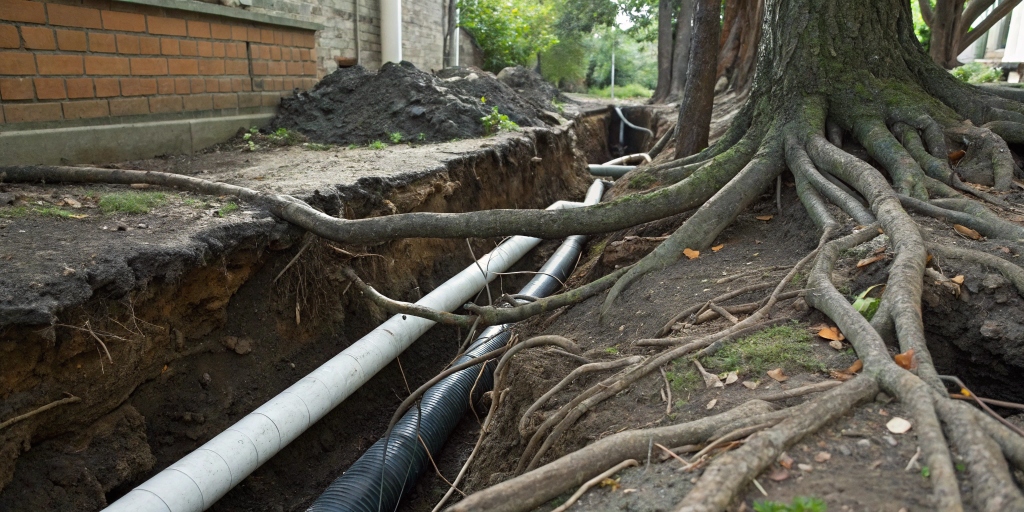
Tree Roots and Sewer Lines: What Homeowners Should Know
Trees can add shade, beauty, and value to a property, but their root systems can sometimes create problems for underground plumbing. One issue that homeowners occasionally encounter is tree roots entering sewer lines. Because roots naturally grow toward moisture, underground pipes can become a target if there are small openings or weak points. Understanding how this happens and recognizing the early warning signs can help homeowners avoid serious plumbing issues. In many cases, plumbers are called to investigate sewer problems that are eventually linked to root intrusion.
Why Tree Roots Grow Toward Sewer Pipes
Tree roots spread underground in search of water and nutrients. Sewer lines carry wastewater, which can create a moist environment around the pipe. If a sewer pipe has a small crack, loose connection, or aging joint, roots may find their way into that opening.
Once inside a pipe, roots can continue to grow. Over time they may catch debris or restrict the normal flow of wastewater through the pipe. This can eventually lead to drainage problems throughout the home.
Signs There May Be Roots in a Sewer Line
Root intrusion in a sewer line does not always produce immediate or obvious symptoms. However, homeowners sometimes notice certain plumbing issues that suggest there may be a blockage or obstruction in the main sewer line.
One possible sign is slow drainage in multiple fixtures in the home. If sinks, tubs, or toilets drain more slowly than usual, it may indicate a problem further down the plumbing system.
Another sign is repeated drain clogs. Occasional clogs are common in household plumbing, but clogs that return frequently may suggest that something is obstructing the sewer line.
Homeowners may also notice unpleasant odors coming from drains. When wastewater cannot move freely through the system, smells may travel back through the pipes and into the home.
When these issues occur together, many homeowners contact professional plumbers to inspect the system and determine the cause.
How Root Intrusion Can Affect Plumbing
Roots that grow into sewer pipes can gradually restrict the space inside the pipe. This can make it harder for wastewater to flow properly. In some cases, debris may collect around the roots and worsen the blockage.
If the situation continues for a long time, the pressure from growing roots may also affect the structure of the pipe. This is why sewer line problems are often easier to address when they are discovered early.
How Plumbers Identify the Problem
When homeowners suspect a sewer issue, plumbers may use inspection tools to evaluate the condition of the sewer line. One commonly used method is a camera inspection, which allows professionals to look inside pipes and identify blockages or structural problems.
Once the cause is identified, plumbers can recommend appropriate steps to address the issue.
Preventive Considerations for Homeowners
Homeowners who have large trees on their property may want to be mindful of where sewer lines are located. Avoiding planting trees directly above sewer pipes may help reduce the risk of root intrusion. Routine plumbing inspections may also help identify developing issues before they become more serious.
Understanding how tree roots interact with underground pipes can help homeowners recognize potential warning signs early. If persistent drain issues occur, contacting experienced plumbers can help determine whether tree roots or another issue may be affecting the sewer line.
