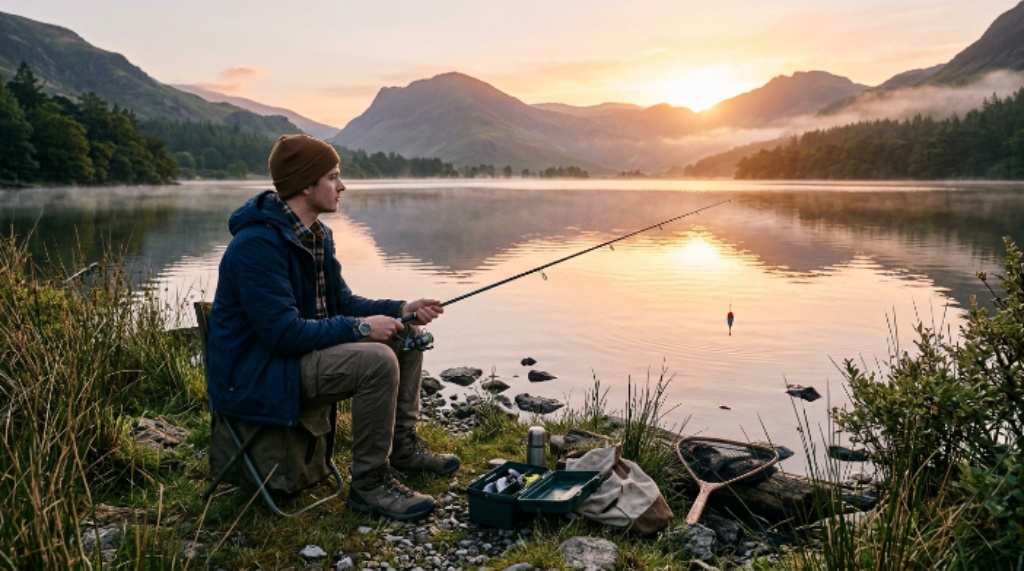
How to Use Fishing as a Stress Relief Hobby (Beginner Guide 2026)
Life moves fast. Work deadlines, notifications, and endless to-do lists can leave anyone feeling drained. Many people are looking for simple ways to slow down and recharge. Fishing is one of the oldest and most effective answers. It pulls you away from screens, places you in nature, and gives your mind a genuine break. This beginner guide will show you exactly how to get started with fishing as a stress relief hobby in 2026.
Why Fishing Is One of the Best Relaxation Hobbies
Fishing does something that few other activities can. It forces you to be still. You cast your line, sit quietly, and wait. There is nothing to scroll through and no meeting to join. That stillness is exactly what a stressed mind needs.
Studies consistently show that spending time near water reduces cortisol levels — the hormone your body produces under stress. Additionally, the sounds of water, wind, and birds create a natural calming environment. This is one reason why fishing ranks among the most popular relaxation hobbies for people of all ages.
You do not need to catch a single fish to feel better. The act of being present, watching the water, and breathing fresh air is often enough. That said, landing your first catch does bring a wonderful sense of accomplishment.
The Science Behind Fishing and Stress Relief
It is worth understanding why fishing works so well before you pick up a rod. The answer lies in how our brains respond to nature and repetitive, low-demand tasks.
When you fish, your brain shifts into a relaxed but alert state. You are focused enough to stay engaged but not so overwhelmed that your stress response fires up. Psychologists call this “soft fascination.” It is the same state you enter when watching a campfire or a flowing stream.
Furthermore, fishing involves gentle physical movement — casting, reeling, walking along a bank. Light physical activity like this encourages the release of endorphins, the body’s natural mood-lifters. Therefore, fishing works on stress from two directions at once: it calms the mind and energizes the body.
Getting Started: What a Beginner Actually Needs
One of the biggest myths about fishing is that it requires expensive gear. It does not. You can start fishing with a very modest setup and still have a great experience.
Here is a basic list of what you need as a beginner:
- A spinning rod and reel combo (widely available and beginner-friendly)
- Monofilament fishing line (6 to 10-pound test is a good starting point)
- A small tackle box with hooks, bobbers, and split-shot sinkers
- A fishing license (required in most regions — check your local regulations)
- Bait (live worms are easy to find and effective for freshwater fishing)
That is genuinely all you need to start. However, as your interest grows, you can explore different rods, lures, and techniques at your own pace. There is no rush. The goal right now is simply to get outside and enjoy the experience.
Choosing the Right Spot for a Peaceful Experience
Where you fish matters just as much as how you fish. For stress relief, choose locations that feel calm and accessible. Crowded tournament lakes on a busy weekend may not be the most peaceful choice when you are just starting out.
Look for these types of spots instead:
- Local ponds in parks or nature reserves
- Quiet sections of rivers with gentle current
- Reservoirs with designated fishing areas
- Fishing piers along lakes or bays
Arrive early in the morning if you can. Early mornings are quieter, cooler, and often more productive for catching fish. Additionally, the sunrise over water is a genuinely uplifting experience that sets a positive tone for the entire day.
Do not worry about traveling far. Many beginners are surprised to find excellent fishing spots within a short drive from home. A quick search of local fishing forums or your regional wildlife agency’s website can point you to hidden gems nearby.
Practicing Mindfulness Outdoors While You Fish
Fishing and mindfulness go hand in hand. In fact, fishing may be one of the most natural ways to practice mindfulness outdoors without any formal training or apps.
Here is a simple mindfulness approach you can try on your next fishing trip. When you arrive at the water, take three slow, deep breaths before you cast. Notice the temperature of the air on your skin. Listen to the sounds around you — the water, the birds, the wind through the trees. Feel the weight of the rod in your hand.
As you fish, resist the urge to check your phone. Let each cast be its own small ritual. Watch the line as it arcs through the air. Observe the ripples where your bobber lands. When your mind wanders to work or worries — and it will — gently bring your attention back to the water.
This gentle, repeated act of returning your focus to the present moment is the core of mindfulness outdoors. Fishing provides the perfect framework for it because the environment naturally rewards patience and presence.
Basic Techniques Every Beginner Should Learn
You do not need to master dozens of techniques to enjoy fishing. A handful of basics will serve you well for months, even years.
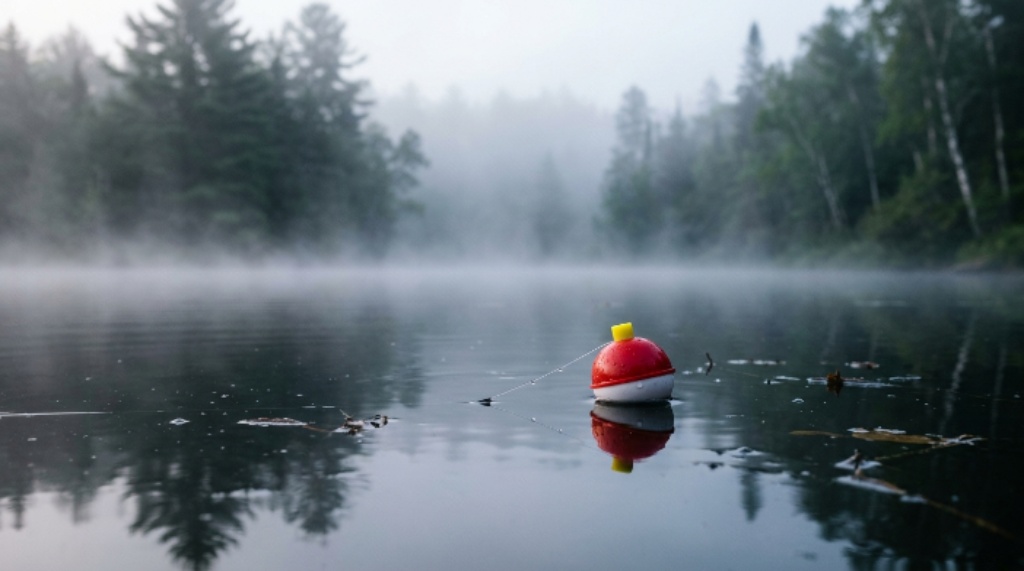
Bobber fishing is the easiest place to start. Attach a bobber about two feet above your hook, add bait, and cast near structures like fallen trees or dock edges. When the bobber dips below the surface, lift your rod tip firmly. That is your fish.
Bottom fishing is another simple method. Remove the bobber, add a small sinker above the hook, and let your bait sink to the lake floor. This works well for catfish, carp, and perch.
As you grow more confident, try using artificial lures. Soft plastic worms and small spinners are forgiving for beginners and cover a wide range of fish species. The key is to experiment and stay curious. Learning a new technique is part of what keeps fishing engaging over the long term.
Building a Regular Fishing Routine
The real stress-relief benefits of fishing come from consistency. A single trip is enjoyable. A regular habit is transformative.
Start small. Even a one-hour session every two weeks is enough to create a meaningful break in your routine. Over time, you may find yourself naturally extending those sessions as the hobby grows on you.
Consider keeping a simple fishing journal. Note where you fished, what bait you used, what the weather was like, and how you felt before and after. This habit serves two purposes. It helps you improve as a fisherman, and it gives you a record of positive experiences to look back on during stressful weeks.
Additionally, fishing with a friend or family member adds a social dimension to the experience. Shared quiet time on the water can strengthen relationships in ways that busy social events often cannot.
Safety and Responsible Fishing for Beginners
Enjoying the outdoors responsibly ensures that fishing remains accessible for everyone. Follow these simple guidelines from the start:
- Always carry a valid fishing license
- Practice catch and release when possible, especially for undersized fish
- Pack out everything you bring in — leave no trash behind
- Wear sunscreen and a hat during long sessions
- Stay aware of your surroundings, especially near moving water
Responsible fishing protects natural habitats and ensures that future generations can enjoy the same peaceful experiences you are discovering now.
Conclusion
Fishing is far more than a hobby. It is a proven, accessible, and deeply enjoyable way to manage stress and reconnect with the world around you. As one of the most effective relaxation hobbies available to beginners in 2026, it asks very little of you in terms of skill or investment, yet gives back enormously in calm, clarity, and quiet joy.
By choosing the right spot, learning a few basic techniques, and approaching the water with an open mind, you can turn a simple fishing trip into a genuine mental reset. The practice of mindfulness outdoors that fishing naturally encourages will serve you well both on and off the water. Start simple, stay consistent, and let the rhythm of the water do the rest.
Frequently Asked Questions
Do I need a fishing license as a beginner?
In most countries and states, yes. Fishing licenses are required for anyone fishing in public waters. They are inexpensive and easy to obtain online or at local sporting goods stores. Always check your regional regulations before your first trip.
What is the easiest type of fishing for a complete beginner?
Freshwater fishing with a bobber and live worm is the easiest starting point. It requires minimal technique, works in most ponds and lakes, and produces results quickly. You can graduate to other methods as your confidence grows.
How long should a beginner fishing session last?
Start with one to two hours. This is enough time to relax and enjoy the experience without fatigue. Over time, you may naturally want to stay longer as the hobby becomes more familiar and enjoyable.
Can fishing really reduce stress and anxiety?
Yes. Research supports the idea that time near water and in nature significantly lowers stress hormones. The quiet focus required during fishing also promotes a meditative state that many people find deeply calming, similar to formal mindfulness practices.
Is fishing an expensive hobby to start?
Not at all. A basic beginner setup — rod, reel, line, hooks, and bobbers — can cost as little as $30 to $50. A fishing license adds a small annual fee. Beyond that, bait is cheap and many great fishing spots are free to access.
Related Topics:
Fun Activities to Help you with your Fitness in the New Year