

How to Hire the Right Custom Home Builder for Your Dream Home
Key Takeaways
- Define your vision and establish a clear budget before beginning your search for a home builder.
- Thoroughly research and vet potential builders through recommendations, credentials, and past work.
- Open communication and trust are essential for a successful custom home project.
- Contracts and warranties should be reviewed carefully to safeguard your investment.
- Visiting active job sites provides a real-world glimpse into builder quality and professionalism.
Define Your Vision and Budget
Embarking on the journey to build your dream home is one of life’s most significant milestones. Before reaching out to a builder, it’s vital to get specific about what you want. Consider the architectural style, the size of the home, must-have features, and materials that support your vision. Whether you’re inspired by modern minimalism or classic Southern charm, clarity in your preferences will shape the entire process. Sharing your concept early can make discussions with custom home experts precise and productive.
A realistic financial plan forms the backbone of a successful custom homes project. Clarifying your budget—taking into account not just construction, but land, permits, and upgrades—ensures you have meaningful conversations with potential builders. Identify your non-negotiable features versus areas where you may be flexible, and plan for a contingency to cover unexpected expenses.
Painting a clear vision and budgeting wisely will help you quickly weed out builders who may not align with your priorities, saving you both time and frustration in the long run.
Once your essentials are outlined, start compiling a short list of reputable home builders who specialize in custom projects that mirror your aspirations. These initial steps set a strong foundation for the rest of your builder selection process.
Research Potential Builders
Choosing the right professional can make or break your custom home experience. Gather suggestions by talking with friends, family, and colleagues who have recently built homes. First-hand accounts provide honest perspectives on builder performance, reliability, and how any challenges were resolved. Review platforms like Angi and other consumer-focused sites can further guide your choices by highlighting genuine customer reviews and complaint histories.
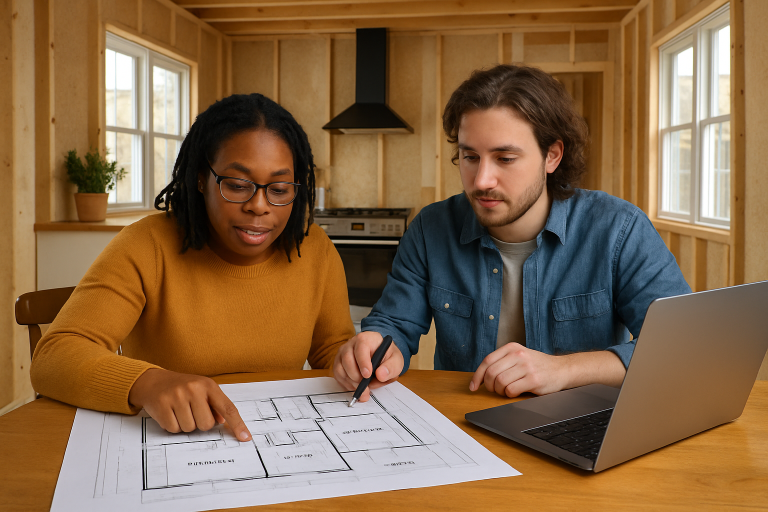
Additionally, consult your local Home Builder Association’s directory. Trade associations vet their members to ensure top industry standards and can point you to established names in your community. The more knowledge you collect at this stage, the more confident you’ll feel in narrowing your list.
Evaluate Experience and Credentials
Once you’ve identified a few contenders, dig deeper. Examine their portfolios: do their completed homes match your sense of style and level of finish? Examining their prior work can also reveal whether they have experience delivering homes of a similar scale, complexity, and price point to yours.
Verify proper licensing and up-to-date insurance, both of which are essential markers of a reputable builder. Builders should hold state licenses and carry general liability as well as workers’ compensation insurance—this protects you from potential legal entanglements during the project. Finally, ask for client references. Conversations with people who have walked this path before give you insight into builder strengths, problem-solving skills, and post-construction support. For more on verifying builder licensing and credentials, visit Forbes Advisor.
Assess Communication and Compatibility
Constructing a home takes months of close interaction; strong communication is vital for a smooth process. During your initial meetings, observe how attentively the builder listens and how thoroughly they answer your questions. Look for a builder who is forthcoming about both the benefits and potential drawbacks, and who is readily available to clarify details as needed. Compatibility in communication style and attitude ensures your concerns will be heard, deadlines met, and your dream home delivered as promised.
Understand the Contract and Warranty
As you approach a decision, carefully examine the builder’s contract. A comprehensive agreement should outline costs, construction timelines, payment schedules, the materials and brands to be used, and clearly-defined processes for making changes. Don’t hesitate to ask legal or industry professionals to review the contract to ensure your investment is protected. Inquire about warranties that cover both materials and labor—reputable builders typically include comprehensive warranties and are happy to discuss how post-construction issues are addressed.
Visit Ongoing Projects
Site visits offer an unfiltered look at the builder in action. Note the general organization, job site cleanliness, and worker professionalism. Assess whether the work meets your standards and whether quality materials are being used. Observing the jobsite firsthand gives a tangible sense of the builder’s processes and pride in artistry—details that online portfolios may not fully capture.
Trust Your Instincts
Ultimately, your comfort and confidence in the builder matter just as much as credentials or experience. Choose a professional with whom you feel at ease. If red flags emerge at any point—such as pushy behaviors, evasive answers, or reluctance to share information—it’s wise to explore other options. A custom home project should be an exciting journey, not a stressful undertaking.
Conclusion
Hiring the right custom home builder demands thoughtful research and clear communication. By defining your goals, evaluating credentials, and trusting your instincts, you’ll set the stage for a collaborative relationship that brings your vision to life. A wise choice now sets a positive tone for every step, ensuring your new home is both beautiful and built to last.

