

How Lifestyle Choices Affect Chronic Pain Management
Chronic pain impacts millions globally, often decreasing mobility, independence, and quality of life. Although medical interventions remain vital, the power of everyday choices shouldn’t be underestimated. By modifying factors such as diet, exercise, sleep hygiene, and stress management, individuals living with chronic pain can significantly improve their comfort and function. Proactive lifestyle changes, combined with expert support from providers like Midwest Vascular and Pain Specialists, can be transformative for managing persistent pain.
An integrative approach to chronic pain emphasizes the mind-body connection. Understanding the interplay between body systems, daily behaviors, and external guidance allows people with chronic pain to find their own path toward relief and empowerment. This article explores key lifestyle foundations to help you navigate chronic pain and maximize well-being.
Diet and Chronic Pain
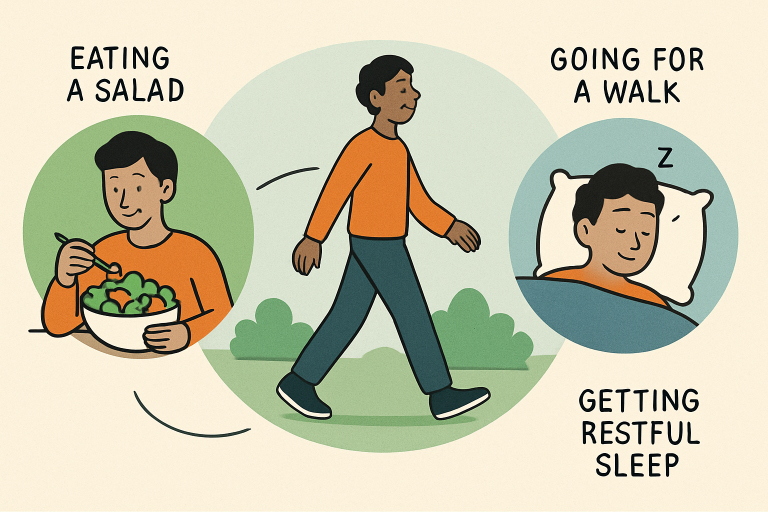
The foods you choose impact the body’s inflammatory response, directly influencing chronic pain. A balanced, nutrient-dense diet, rich in antioxidants, healthy fats, and lean proteins, can help control inflammation at its source. Leafy greens, berries, cruciferous vegetables, whole grains, and sources of omega-3 fatty acids, such as salmon or flaxseeds, have all been linked to reduced pain levels. According to Harvard Health Publishing, anti-inflammatory diets can produce significant results for people living with inflammatory conditions, including arthritis and fibromyalgia.
Alternatively, a diet high in refined sugars, saturated fats, and processed foods not only accelerates inflammation but may also intensify pain over time. Small changes—such as swapping soda for water or adding a handful of walnuts as a snack—can gradually build a foundation for healing and symptom relief. Consulting with a healthcare provider or registered dietitian ensures dietary modifications align safely with existing medical conditions or medications.
Physical Activity and Pain Relief
Movement is a crucial component in chronic pain management strategies. Exercise doesn’t just strengthen muscles and increase joint flexibility; it also stimulates the release of endorphins—your body’s natural pain relievers. Activities such as low-impact walking, gentle yoga, tai chi, or swimming offer effective ways to stay active without putting excess strain on sensitive joints or tissues.
A gradual, individualized plan is the safest route, starting slowly and progressing as tolerated. As explained by the Centers for Disease Control and Prevention, regular activity not only reduces pain but also prevents long-term joint damage and improves sleep, mood, and balance. Working with a physical therapist can help tailor exercises to personal needs, providing support and encouragement.
Importance of Quality Sleep
Disrupted sleep and chronic pain often create a vicious cycle—pain interrupts rest, and poor rest amplifies pain sensitivity. Prioritizing sleep hygiene is key to breaking this loop. Strategies to improve sleep include maintaining a regular bedtime and wake-up time, limiting screen use before bed, and creating a calm, dark, quiet sleep environment.
Adopting calming bedtime routines, such as reading, gentle stretching, or relaxation breathing, can further set the tone for restorative sleep. Avoiding caffeine and alcohol in the evening and making adjustments for comfort—like supportive pillows or cooling mattress pads—can enhance restful sleep and support better pain management.
Stress Management Techniques
Chronic stress causes the release of cortisol and other chemicals that may worsen pain and slow the body’s healing processes. Integrating stress-reduction practices into daily life is essential. Methods such as mindfulness meditation, progressive muscle relaxation, guided imagery, or deep breathing can trigger relaxation responses and lower physical stress markers.
Mindfulness-based therapies, in particular, are supported by research for helping people manage not only pain but also associated symptoms like anxiety and depression. Accessing resources such as online mindfulness classes or smartphone meditation apps can be a simple starting point for daily stress relief.
Weight Management Strategies
Carrying extra weight increases the load on joints, particularly in the back, hips, knees, and feet—areas commonly affected by chronic pain. Achieving and maintaining a healthy weight through balanced nutrition and regular physical activity can dramatically reduce pain and inflammation for many individuals.
Even modest weight loss can offer measurable benefits by decreasing pressure on painful areas and enhancing overall energy. Collaborating with healthcare professionals such as dietitians or weight management specialists can provide personalized guidance and motivation for long-lasting changes.
Mind-Body Approaches
Integrative therapies unite physical and psychological aspects of pain. Acupuncture, biofeedback, and practices like tai chi or gentle yoga help reestablish the mind-body connection, promoting both physical and emotional healing. Biofeedback, for instance, teaches individuals to be aware of bodily responses, empowering them to consciously alter muscle tension, heart rate, and stress levels.
Acupuncture and tai chi have garnered growing scientific support and are increasingly recognized by mainstream organizations as adjuncts to medical care for chronic pain conditions. Discussing these options with a pain specialist helps determine which modalities may be most effective for individual needs.
Building a Support System
Social connection can be one of the most important elements of coping with chronic pain. Support from friends, family, pain support groups, or professional counselors provides a sense of community, shared experience, and emotional support. Regular conversations and participation in group activities offer mutual encouragement and practical advice for navigating setbacks and celebrating achievements.
Counseling—whether individual, family, or group-based—can aid with managing the psychological impact of pain, strengthening coping skills, and addressing feelings of isolation or frustration.
Conclusion
No single solution exists for chronic pain, but a holistic, lifestyle-focused approach can unlock meaningful improvement. By nourishing your body, staying active, reducing stress, prioritizing sleep, and seeking strong support, you can manage chronic pain more effectively and reclaim a higher quality of life. Changes may be gradual, but every small step can add up to make a major difference in daily comfort and independence.

