

How Scientific Advancements Are Shaping Modern Aesthetics
Key Takeaways
- Artificial Intelligence (AI) is revolutionizing personalized treatment plans and diagnostic precision in aesthetic medicine.
- Regenerative therapies promote natural beauty by stimulating the body’s own healing processes.
- Robotic systems are enhancing procedural accuracy and patient safety in cosmetic surgeries.
- Digital technologies are influencing beauty standards and the demand for treatments that replicate virtual enhancements.
Over the past decade, the field of aesthetic medicine has evolved into a highly sophisticated discipline, driven by ongoing scientific and technological breakthroughs. These medical innovations have not only made procedures safer and more effective but have also shifted the ways society perceives beauty, wellness, and personal care. As patients become increasingly informed, they seek out clinics like BE Aesthetics that embrace the latest science-backed approaches. This transformation empowers individuals to look and feel their best through methods that are both cutting-edge and aligned with their personal values.
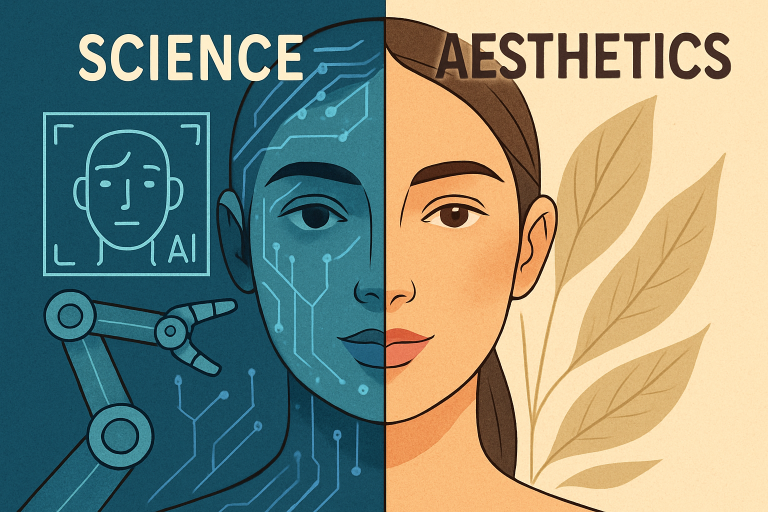
From artificial intelligence (AI)- tailored treatments to novel regenerative therapies, modern aesthetics now offers options once considered futuristic. As advancements accelerate, practitioners can provide highly individualized results. Innovations also fuel a new dialogue about ethics, sustainability, and how emerging digital trends are redefining ideals of beauty. The blend of technology with artistry is laying a new foundation, strengthening practitioners and clients alike.
Key drivers such as robotic technology and AI are changing how treatments are planned and delivered, improving not only outcomes but also the safety profile of procedures. At the same time, the growing influence of digital beauty standards is shaping expectations and treatment significantly in ways never seen before in the industry.
Similarly, concerns about environmental impact and the desire for minimally invasive, sustainable practices are increasingly driving decisions for both providers and patients. The embrace of green products, ethical sourcing, and long-term health is as important as the results achieved in the clinic.
AI and Personalized Treatment Plans
Artificial Intelligence is rapidly changing the practice of aesthetic medicine, offering a highly personalized approach to treatment. AI can analyze a patient’s genetics, lifestyle, and medical history to create tailored plans that maximize safety and improve outcomes. Through advanced imaging and diagnostic tools, AI enables clinicians to detect skin concerns and anatomical features with a level of detail beyond human capability. This technology has proven invaluable for designing optimal procedures, tracking progress, and even predicting future skin changes, resulting in bespoke treatments for every individual.
Diagnostic precision made possible by AI not only uncovers underlying issues but also guides practitioners in selecting the most appropriate interventions. For instance, AI-powered skin analysis devices can detect hyperpigmentation, dehydration, and subtle textural changes early, enabling proactive, preventive care. Such capabilities increase patient confidence and satisfaction, encouraging a stronger partnership between client and clinician. Major medical platforms like Healthline have highlighted how AI is transforming not just radiology but the broader healthcare industry, contributing to a higher standard of patient care.
Regenerative Therapies: Promoting Natural Beauty
Regenerative therapies mark a major shift towards promoting natural beauty. These approaches are designed to stimulate the body’s own healing mechanisms, resulting in gradual, long-lasting improvements. Collagen-stimulating fillers, polynucleotide injections, and platelet-rich plasma (PRP) are among the most popular options that boost collagen and elastin production from within. These therapies support skin rejuvenation, improve elasticity, and minimize signs of aging, all while yielding natural-looking results that align with the modern “less is more” philosophy.
Patients increasingly favor these minimally invasive treatments for their ability to restore youthful radiance without the artificial appearance that can sometimes result from traditional cosmetic procedures. The shift to regenerative aesthetics reflects a desire for solutions that are not just aesthetic but fundamentally healthy for the skin and body. Leading publications like WebMD have identified regenerative techniques as a top trend in the industry, emphasizing both their efficacy and alignment with contemporary wellness goals.
Robotics in Cosmetic Surgery
The adoption of robotic systems in aesthetic medicine is ushering in a new era of precision and reliability. Robotic-assisted devices have become essential for procedures that require microscopic accuracy, such as hair restoration or laser treatments. The ARTAS robotic hair transplant system exemplifies this advancement, using a computerized arm to extract and implant hair follicles with greater precision than ever before. This technology greatly reduces risk, minimizes discomfort, and improves the consistency of patient results.
Robotic systems facilitate delicate tasks beyond human reach, ensuring patients receive safe and predictable care. These advancements are particularly beneficial in aesthetic surgeries where precision impacts outcomes and reduces complications, further setting high standards within the industry.
Digital Influence on Beauty Standards
The prevalence of digital beauty filters on social media platforms has fundamentally changed expectations regarding appearance. Increasingly, patients request treatments that replicate filtered features, such as poreless skin, fuller lips, and accentuated bright cheekbones. The desire to mirror one’s digital self in reality is prompting innovations in both surgical and non-surgical procedures, driving a move toward subtle, individually tailored enhancements.
This cultural shift is encouraging aesthetic practices to approach beauty with greater nuance, ensuring patients achieve enhancements that commemorate their uniqueness rather than erase it. Responsible practitioners strive for results reflecting both artistry and patient identity, helping clients achieve a more harmonious balance between virtual ideals and authentic beauty.
Sustainable and Ethical Practices in Aesthetics
There is a growing commitment within aesthetic medicine to adopt sustainable and ethical practices. Today’s consumers are well-informed and seek reassurance that their chosen treatments and products align with their environmental and ethical values. As a result, clinics increasingly opt for eco-friendly packaging, biodegradable fillers, cruelty-free products, and transparent ingredient sourcing. The move to sustainable processes extends to clinic operations, where reducing waste and energy use has become a priority.
At the same time, ethical practice has come to mean prioritizing a client’s well-being above all else. The trend toward natural-looking enhancements is rooted in respect for the client’s individuality, focusing on subtle refinement rather than dramatic change. These values not only address consumer concerns but also lay the groundwork for a more responsible and trustworthy industry.
Future Trends in Aesthetic Medicine
The future of aesthetics promises further integration of technology to improve the patient experience. Developments like AI-driven post-treatment monitoring, smart compression garments, and non-invasive healing tools are set to enhance both recovery and outcomes. The integration of augmented reality (AR) and virtual reality (VR) in consultations enables clients to visualize potential results, leading to more realistic expectations and deeper informed consent. Emerging research in non-invasive lymphatic stimulation and personalized wellness programs also hints at a broader approach to health and aesthetics in the years to come.
As these technologies continue to mature, they will support a holistic view of beauty, merging advances in science with an emphasis on individual needs and preferences. Clinics that embrace these trends will stand out, offering patients solutions that are not only more effective but also aligned with a more sustainable and ethical future.
Conclusion
Scientific and technological advancements are setting the stage for a new era in aesthetic medicine, defined by personalization, safety, ethics, and sustainability. As the industry continues to innovate, patients have unparalleled opportunities to pursue beauty that is authentic and enhances their overall well-being. By choosing forward-thinking clinics and staying informed about advances, individuals can confidently navigate the evolving landscape of modern aesthetics.

