Future-Proofing Your IT Infrastructure Strategy
Adapting to constant technological change is one of the biggest challenges facing IT leaders today. Organizations striving for sustained growth cannot afford to let their technology assets become obsolete. Building a solid future-proof strategy means focusing on solutions that can scale and evolve as your business does. By focusing on flexibility, efficiency, and innovation, you can lay the foundation for long-term success and stability in your operation. The expertise and strategic insights from Design Data play a valuable role in this journey, helping organizations develop adaptive, robust IT infrastructure.
As digital transformation continues to accelerate across industries, companies need robust frameworks to withstand future disruptions, harness new technologies, and optimize operational productivity. The vital components for future-proofing, from scalable cloud integration to harnessing artificial intelligence, can help businesses stay ahead, minimize risk, and effectively leverage new opportunities. Modern IT leaders are tasked not just with maintaining but with architecting systems built for what comes next, whether that means supporting hybrid workforces, meeting sustainability goals, or enabling real-time analytics at the network edge.
Understanding Future-Proofing
Future-proofing IT infrastructure means more than just buying the latest technology. It is about deliberately designing systems, workflows, and policies that can accommodate change and scale according to evolving business needs. This mindset helps prevent costly rework and protects investments against rapid technology shifts. With a strategic approach to IT, companies can maximize efficiencies and be better positioned to exploit new technologies as they become available. According to CIO.com, aligning IT with broader business goals is essential for future-proofing and maintaining a competitive advantage.
Embracing Cloud Integration
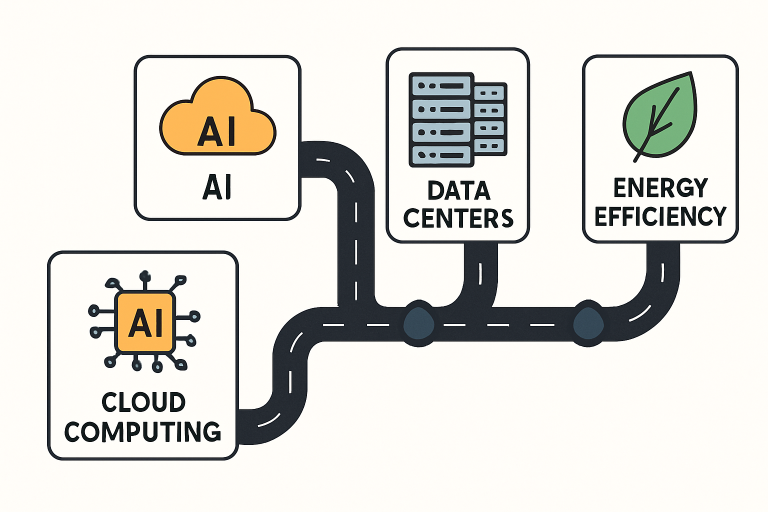
Cloud integration provides an agile foundation for digital transformation. By leveraging cloud environments, organizations can tap into virtually unlimited resources as they grow, adjusting capacity without large capital investments. By 2025, industry analysts predict that 80% of enterprises will have fully migrated to the cloud, and those that do are likely to see hardware costs reduced by up to 30%. Multi-cloud strategies further increase resilience by preventing vendor lock-in and enhancing business continuity during outages or major incidents.
Leveraging AI and Automation
The incorporation of artificial intelligence and automation is reshaping IT, delivering not just efficiency but new capabilities. Machine learning can analyze data faster than traditional models, helping IT teams proactively detect issues and optimize performance, driving efficiency gains of up to 40%. Robotic Process Automation (RPA) can automate routine administration, which, according to TechRepublic, can yield a return on investment of 30% to 200% in the first year alone. By shifting repetitive work away from teams, more effort can be devoted to higher-impact projects and innovation.
Adopting Modular Data Centers
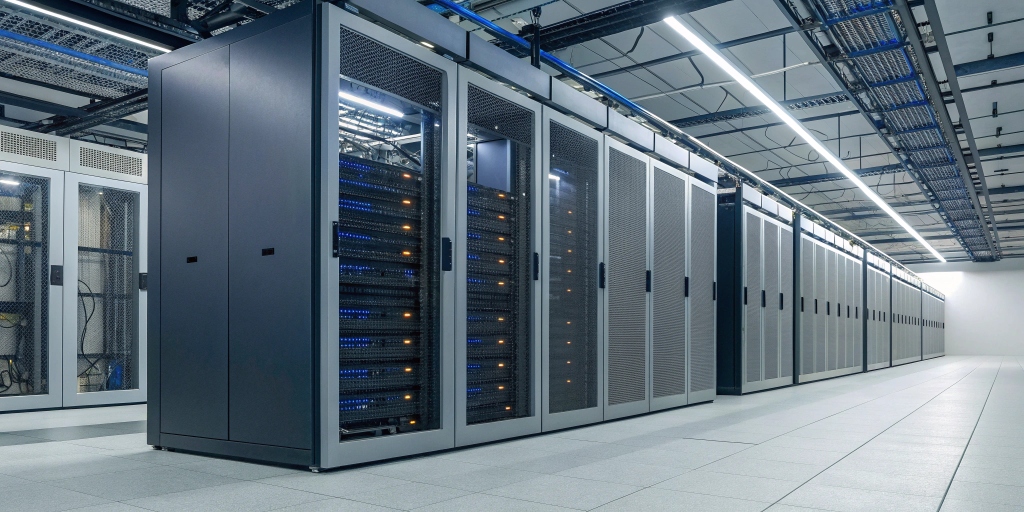
Unlike traditional, static IT setups, modular data centers offer a plug-and-play approach that matches the evolving needs of a growing organization. These facilities are made from standardized, prefabricated components, allowing them to be deployed and expanded. Significant businesses can make incremental investments, avoid large upfront commitments, and reduce the risk of wasted capacity. Startups and enterprises alike benefit from greater agility, aligning IT infrastructure spending with tangible growth milestones.
Prioritizing Energy Efficiency
Energy consumption is a growing concern in large-scale IT deployments. With growing pressure to meet environmental and regulatory standards, adopting energy-saving measures is no longer optional. Technologies such as advanced cooling systems, intelligent power distribution, and comprehensive energy monitoring drive sustainability and can significantly reduce operational costs. These strategies reinforce both ecological responsibility and improved margins, putting organizations in a stronger position to achieve future sustainability targets as outlined by Forbes Tech Council.
Implementing Edge Computing
Processing data close to its source is a game-changer for networks supporting Internet of Things (IoT), autonomous vehicles, and remote healthcare. Edge computing minimizes latency and reduces bandwidth costs by analyzing data locally before transmitting it for further processing. This setup is crucial in industries where real-time decision-making is essential. The rollout of 5G technology is further amplifying the potential of significant computing, facilitating higher throughput and near-instantaneous communication across distributed networks.
Ensuring Scalability and Flexibility
Scalable, flexible IT infrastructures enable businesses to adapt quickly to evolving demands without disruption. By easily adjusting resources to meet fluctuating workloads, organizations can handle peak usage periods efficiently while controlling costs. Well-defined platforms and streamlined management processes simplify the deployment of new services and the scaling down of underused assets. This adaptability not only accelerates time-to-market for innovations but also ensures optimal resource utilization, minimizing waste. Ultimately, a responsive IT infrastructure strengthens operational efficiency, supports business growth, and provides the agility necessary to stay competitive in dynamic markets.
Conclusion
Adopting a holistic and strategic approach to IT infrastructure is the best way to ensure long-term resilience and innovation. By focusing on cloud integration, leveraging advanced AI and automation, utilizing modular data centers, prioritizing energy efficiency, enabling edge computing, and ensuring flexibility, businesses can proactively overcome the challenges of digital transformation. An adaptable, future-ready IT posture creates a significant competitive advantage, allowing organizations not only to respond to rapid change but to drive it. For continued insight and guidance as you shape your infrastructure strategy, staying connected to industry experts and reputable technology resources is critical to your success.