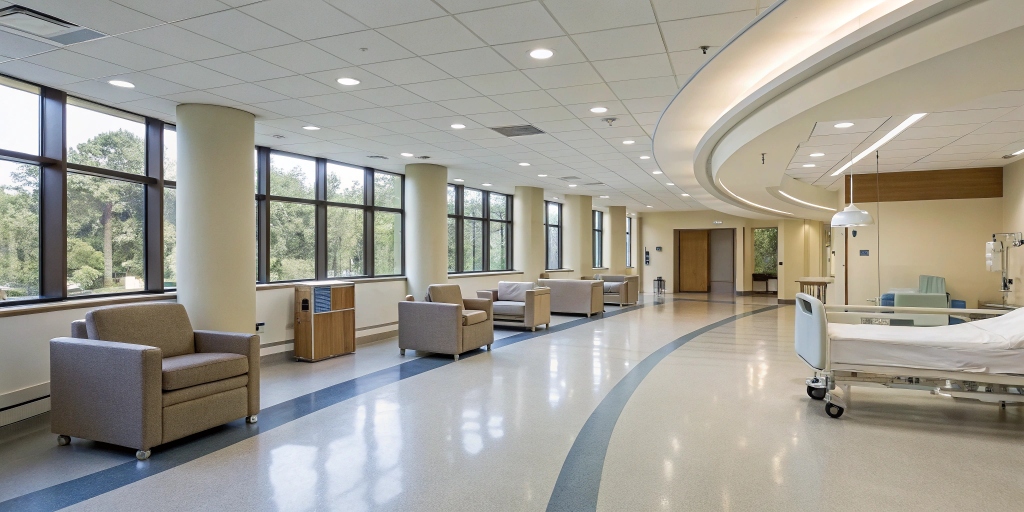
How Safe Design Influences Patient Care in Healthcare Facilities
Key Takeaways
- Flexible spaces enable multi-use rooms, boosting operational efficiency during periods of high patient demand.
- User-friendly navigation with clear signage minimizes stress and increases safety for visitors and patients.
- Integrated security features help create safer environments without sacrificing a welcoming atmosphere.
- Private rooms and calming design details promote better healing and support patient privacy.
- Ergonomic layouts enhance patient mobility and significantly reduce fall risk.
Safety-focused design plays a critical role in shaping how healthcare environments function and how effectively they support patient care. Thoughtful layouts, clear wayfinding, appropriate lighting, and well-planned spatial flow can reduce the risk of accidents, support infection control, and ease stress for both patients and staff. When healthcare facilities are designed with safety in mind, they create environments that promote comfort, accessibility, and efficient clinical workflows, thereby improving patient experiences and outcomes.
Beyond physical layout, safe design also involves integrating systems that support reliable operation and risk management across the facility. Infrastructure planning that accounts for air quality, pressure control, and mechanical reliability helps maintain controlled clinical environments, particularly in sensitive areas such as operating rooms and isolation spaces. Solutions like PRVC Systems are part of the broader approach to supporting consistent environmental conditions, reinforcing the connection between building design decisions and the quality, safety, and continuity of patient care.
Flexible Spaces for Multidimensional Use
Healthcare needs are constantly changing. Facilities are adopting flexible design strategies that allow rooms to serve multiple functions. For example, an operating room may be refitted for intensive care during emergencies. Universal patient rooms can accommodate both low and high-acuity cases, making it easier to adapt quickly when demand increases. These evolutions enable hospitals to maintain quality care even when resources are strained, thereby minimizing disruptions and improving outcomes.
Intuitive Navigation for Stress-Free Experience
For many patients, the physical act of navigating a hospital adds to the stress of seeking care. To counteract this, facilities prioritize simple and logical layouts, using color-coded paths, clearly marked entries, and strategically placed signs. These visual cues and accessible designs help reduce confusion, leading to smoother experiences for patients, staff, and visiting families. These measures can also reduce the likelihood of care delays, thereby improving outcomes in time-sensitive scenarios.
Integrated Security to Foster Safety
With safety concerns rising in healthcare, advanced security protocols have become integral to facility design. Comprehensive measures, such as electronic check-ins, surveillance cameras, and physical barriers, provide both visible and behind-the-scenes protections. Open sightlines allow staff to easily supervise public areas, while secure staff zones reduce the risk of unauthorized access. These practices uphold patient and personnel safety while maintaining a non-threatening, friendly atmosphere. Adapting thoughtful security in facility planning reassures communities that their well-being is taken seriously.
Private Rooms for Better Healing
The move toward single-occupancy and private rooms extends beyond inpatient settings to include outpatient recovery areas as well. These private spaces, where patients can rest after surgery or during heightened vulnerability, help foster a secure, calming environment. They reduce the transmission of healthcare-associated infections and provide the privacy patients need to feel comfortable. The added assurance that belongings are safe allows patients to focus on their recuperation, not on security concerns.
Soothing Aesthetics to Promote Well-Being
Recent design trends emphasize the therapeutic impact of the environment. Natural light, green spaces, and color choices inspired by nature lower stress and may accelerate healing. Biophilic architecture, which incorporates plant life and natural views, has been linked to improved mood and enhanced immune function in hospital populations. These evidence-based design elements also increase staff morale and job satisfaction, contributing to a more effective and harmonious workplace.
Ergonomic Layouts to Promote Mobility
Safe design also prioritizes patient mobility and accessibility. Wide hallways, handrails, properly sized rooms, and thoughtful placement of equipment encourage movement without risk of falling. This is particularly important as hospitals treat older adults and others with mobility challenges. Maximizing ease of movement boosts confidence, speeds recovery, and lowers the incidence of falls, one of the most significant and costly sources of hospital-acquired injuries.
Conclusion
By embedding safety and flexibility into every stage of healthcare facility planning, organizations can achieve more than just compliance; they actively improve patient health and create a supportive work environment for caregivers. The most successful modern hospitals embrace flexible spaces, intuitive navigation, robust security, private rooms, soothing design details, and ergonomic infrastructure, all working in harmony to foster resilience and well-being throughout the patient experience.