
How to Pick the Perfect Gas Chainsaw for Homeowners This Year
Choosing a gas chainsaw is a lot like choosing a hiking boot for a mountain trail: the lightest option is not always the best, and the most powerful one can become exhausting long before the job is finished. For most homeowners, the perfect gas chainsaw balances cutting power, safety, comfort, and reliability. If you are searching for a lightweight chainsaw that can handle regular yard maintenance and seasonal tree trimming, the ideal choice is usually a gas model with a 35cc–50cc engine, a 14–18-inch bar, anti-vibration features, and an ergonomic design. Selecting the wrong chainsaw often leads to fatigue, inefficient cutting, increased fuel consumption, and unnecessary safety risks.
What Is the Best Gas Chainsaw for Most Homeowners?
For most homeowners, a mid-sized gas chainsaw with a 14–18-inch guide bar and a 35cc–50cc engine offers the best balance of power, control, and versatility.
Gas chainsaws remain popular because they provide unrestricted mobility and strong cutting performance. Unlike corded electric models, extension cords do not limit them, and unlike battery-powered units, they can operate continuously with proper refueling.
Whether you need to remove storm-damaged branches, cut firewood, clear overgrown sections of your property, or perform routine tree maintenance, a properly sized gas chainsaw can make the work faster and safer.
Homeowners who regularly maintain landscapes often combine chainsaw work with broader outdoor upkeep practices. Following efficient morning garden care routines that improve outdoor maintenance efficiency can help schedule pruning and cleanup tasks at the most productive times of day.
According to safety organizations and equipment manufacturers, most residential cutting tasks involve branches and logs smaller than 12 inches in diameter. This means homeowners rarely need professional-grade chainsaws exceeding 60cc.
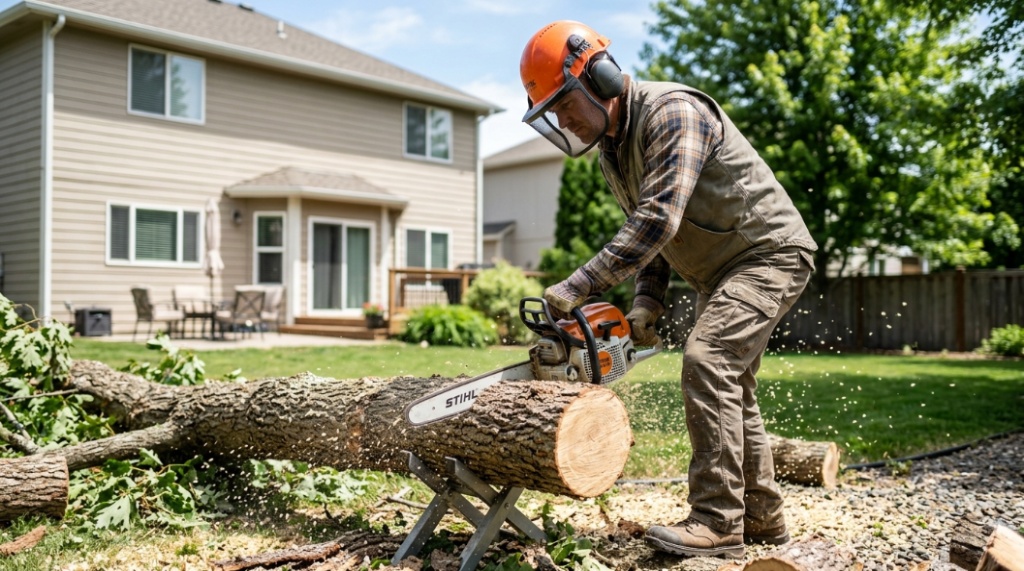
Ideal Chainsaw Specifications for Homeowners
| Feature | Recommended Range | Why It Matters |
|---|---|---|
| Engine Size | 35cc–50cc | Good power without excessive weight |
| Bar Length | 14–18 inches | Handles common residential cutting tasks |
| Weight | 9–13 pounds | Reduces user fatigue |
| Chain Brake | Required | Improves safety during kickback |
| Anti-Vibration System | Recommended | Enhances comfort during longer jobs |
Why Is Chainsaw Weight So Important for Yard Maintenance?
A lightweight chainsaw improves control, reduces fatigue, and helps homeowners work safely for longer periods.
Many buyers focus exclusively on horsepower. However, weight has a major impact on cutting accuracy and user comfort. A chainsaw that feels manageable after five minutes may become difficult to control after an hour of cutting.
For homeowners handling regular yard maintenance, reducing operator fatigue often matters more than maximizing engine output.
Benefits of a lightweight chainsaw include:
- Less strain on shoulders and arms
- Improved maneuverability when trimming branches
- Better balance during elevated cutting positions
- Reduced risk of accidents caused by fatigue
- Greater confidence for occasional users
Lightweight gas chainsaws are particularly effective for:
- Seasonal tree trimming
- Pruning medium-sized limbs
- Storm cleanup
- Brush removal
- Firewood preparation
Homeowners managing outdoor entertaining areas often prioritize clean landscapes around patios and cooking spaces. Maintaining vegetation around these areas becomes easier when combined with planning ideas such as smart outdoor kitchen features that complement a functional garden layout.
What Engine Size Should You Choose for Tree Trimming?
For routine tree trimming, a 35cc–45cc engine provides sufficient cutting power while remaining easy to handle.
Engine displacement, measured in cubic centimeters (cc), directly affects cutting capability. Larger engines generate more torque but also increase overall machine weight.
30cc–35cc Chainsaws
Best suited for:
- Light pruning
- Small branches
- Occasional yard work
- New chainsaw users
35cc–45cc Chainsaws
Best suited for:
- Routine tree trimming
- Storm debris cleanup
- Residential property maintenance
- Seasonal firewood cutting
45cc–60cc Chainsaws
Best suited for:
- Large hardwood logs
- Heavy-duty cutting
- Frequent land management
- Large rural properties
Most homeowners achieve the best balance with engines in the middle category. These models provide enough power to cut through oak, maple, pine, and other common species without becoming excessively heavy.
How Long Should a Gas Chainsaw Bar Be?
A 14–18-inch guide bar is ideal for most residential cutting applications.
Bar length influences cutting capacity, maneuverability, and overall handling characteristics.
Contrary to common assumptions, longer bars are not automatically better. They increase weight and often require more engine power.
| Bar Length | Best Use |
|---|---|
| 12–14 inches | Pruning and small branches |
| 16 inches | General homeowner tasks |
| 18 inches | Firewood and medium tree removal |
| 20+ inches | Heavy-duty professional work |
A practical rule is to select a guide bar that slightly exceeds the average diameter of the wood you cut most frequently.
Can a Longer Bar Be Dangerous?
Yes. Longer bars can increase kickback potential and become more difficult to control, especially for inexperienced users.
Many homeowners discover that a shorter, balanced chainsaw completes jobs more efficiently than an oversized model.
Which Safety Features Should Every Homeowner Look For?
The most important chainsaw safety features include a chain brake, anti-vibration technology, chain catcher, throttle lockout, and low-kickback chain design.
Safety should never be an afterthought when purchasing outdoor power equipment.
Modern gas chainsaws incorporate multiple technologies designed to reduce injury risks.
Chain Brake
Stops chain movement rapidly during kickback events.
Throttle Lockout
Prevents accidental throttle engagement.
Chain Catcher
Helps contain a broken or derailed chain.
Anti-Vibration System
Reduces operator fatigue and improves comfort.
Hand Guards
Protect hands from debris and accidental contact.
Always use proper protective equipment, including:
- Safety helmet
- Eye protection
- Hearing protection
- Cut-resistant gloves
- Chainsaw chaps
- Steel-toe boots
How Does a Gas Chainsaw Compare With Battery and Electric Models?
Gas chainsaws provide the highest sustained power and runtime, while battery chainsaws offer convenience and lower maintenance.
| Feature | Gas Chainsaw | Battery Chainsaw | Corded Electric |
|---|---|---|---|
| Power | Excellent | Good | Moderate |
| Runtime | Unlimited with fuel | Battery dependent | Unlimited |
| Mobility | Excellent | Excellent | Limited |
| Maintenance | Higher | Lower | Lowest |
| Weight | Moderate | Moderate | Light |
| Heavy Cutting | Best | Good | Limited |
Homeowners with larger properties often prefer gas-powered models because they can continue working without waiting for battery recharging cycles.
What Maintenance Does a Gas Chainsaw Require?
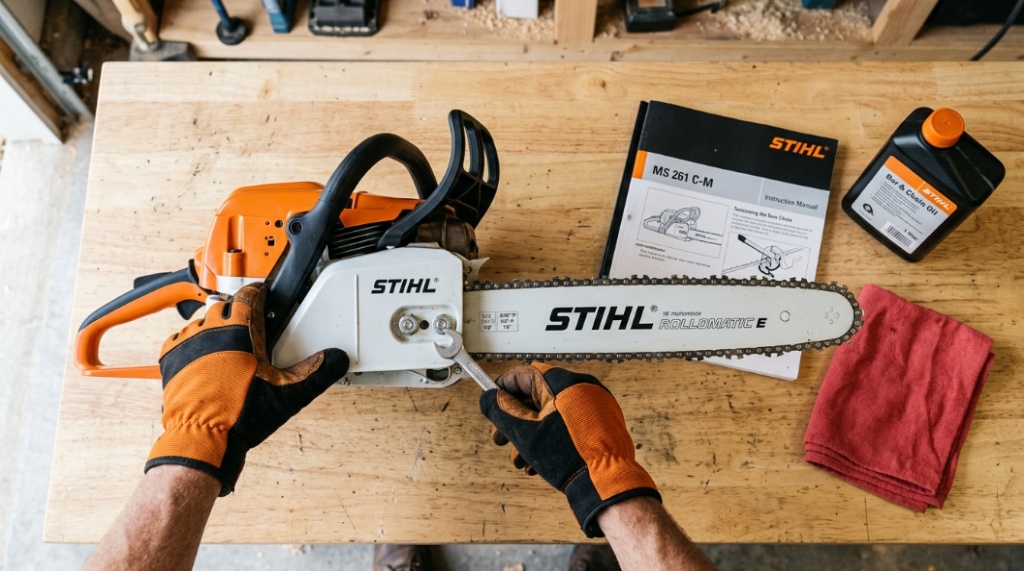
Regular maintenance includes sharpening the chain, cleaning air filters, checking chain tension, inspecting spark plugs, and maintaining proper lubrication.
Consistent maintenance extends equipment lifespan and improves cutting performance.
Before Each Use
- Inspect chain tension
- Check fuel level
- Verify chain oil supply
- Test chain brake
- Inspect guide bar condition
Monthly Maintenance
- Clean air filter
- Inspect spark plug
- Examine fuel lines
- Clean cooling fins
- Lubricate moving parts
How Often Should You Sharpen a Chain?
Sharpen whenever cutting efficiency decreases or sawdust becomes powder-like instead of producing wood chips.
A sharp chain improves safety because it requires less force during operation.
What Common Mistakes Should Homeowners Avoid When Buying a Chainsaw?
The biggest mistakes include choosing excessive power, ignoring weight, overlooking safety features, and purchasing solely based on price.
Buying decisions should focus on actual cutting needs rather than maximum specifications.
- Choosing a professional-grade model for occasional use
- Ignoring ergonomics and comfort
- Selecting an unnecessarily long guide bar
- Neglecting maintenance requirements
- Underestimating safety equipment costs
- Purchasing low-quality replacement chains
Many first-time buyers assume bigger engines always perform better. In reality, matching equipment size to property needs usually produces better results.
If you’re researching model recommendations before buying, this detailed guide covering top-rated gas chainsaws for homeowners and property maintenance provides additional comparisons and buying considerations.
How Can Homeowners Match a Chainsaw to Property Size?
Property size and tree density should guide chainsaw selection more than budget alone.
| Property Type | Recommended Engine | Recommended Bar |
|---|---|---|
| Urban Lot | 30cc–40cc | 12–14 inches |
| Suburban Property | 35cc–45cc | 14–16 inches |
| Large Residential Lot | 40cc–50cc | 16–18 inches |
| Rural Acreage | 50cc+ | 18–20 inches |
Matching chainsaw size to property requirements helps avoid overspending while ensuring sufficient performance for future tasks.
Conclusion: How Do You Choose the Right Gas Chainsaw This Year?
The perfect gas chainsaw combines appropriate engine size, manageable weight, essential safety features, and a guide bar matched to your cutting needs.
For most homeowners, a lightweight chainsaw equipped with a 35cc–50cc engine and a 14–18-inch bar provides the ideal balance between power and usability. Prioritizing ergonomics, chain safety systems, anti-vibration technology, and ongoing maintenance will deliver better long-term results than simply purchasing the largest available model.
Successful yard maintenance is often about working smarter rather than harder. Many homeowners pair efficient equipment choices with strategies outlined in this guide to creating a low-maintenance garden that reduces long-term upkeep demands, helping save time throughout the year.
Before purchasing, assess your property size, average branch diameter, cutting frequency, and comfort level with power equipment. A well-matched chainsaw will improve productivity, enhance safety, and make seasonal tree trimming significantly easier. Compare specifications carefully, invest in proper protective gear, and choose a model that supports your actual workload rather than hypothetical future projects.
Frequently Asked Questions
What is the best gas chainsaw size for homeowners?
A 35cc–50cc gas chainsaw with a 14–18-inch guide bar is generally the best choice for homeowners because it balances power, maneuverability, and comfort for routine yard maintenance and tree trimming.
Is a lightweight chainsaw powerful enough for cutting firewood?
Yes. Many lightweight chainsaws in the 35cc–45cc range can efficiently cut firewood, prune branches, and handle storm cleanup while remaining easier to control than heavier professional-grade models.
How often should I sharpen my chainsaw chain?
You should sharpen the chain whenever cutting performance declines, cutting requires extra pressure, or sawdust becomes fine powder instead of larger wood chips.
What bar length is best for tree trimming?
A 14–16-inch guide bar is typically ideal for residential tree trimming because it offers excellent control while handling most branch sizes encountered around homes.
Are gas chainsaws better than battery chainsaws?
Gas chainsaws generally provide greater cutting power and unlimited runtime with refueling, making them better for demanding jobs. Battery chainsaws offer quieter operation and lower maintenance requirements.
What safety gear should be worn when using a chainsaw?
Essential chainsaw safety equipment includes a helmet, safety glasses, hearing protection, chainsaw chaps, gloves, and steel-toe boots.
How long does a gas chainsaw typically last?
A quality gas chainsaw can last 10 years or longer with proper maintenance, regular cleaning, chain sharpening, and correct fuel management practices.