Morning Garden Care Methods Popular Among Gardeners in Denver, CO
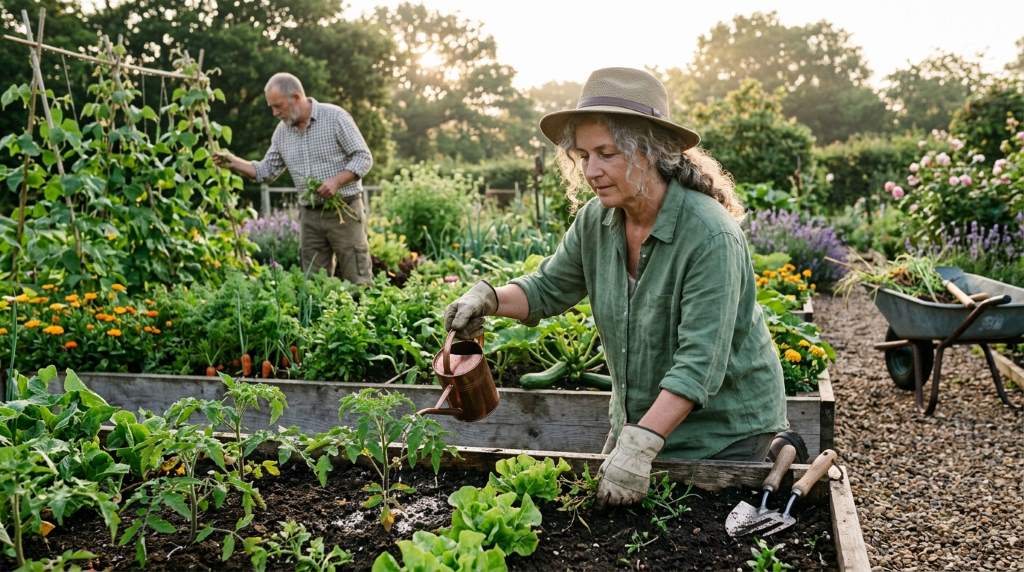
Denver gardeners often start their day early to protect plants from dry air, strong sunlight, and changing temperatures. The city receives around 300 sunny days each year, while average annual rainfall stays below 16 inches. These conditions make morning care essential for healthy lawns, flowers, and vegetables. Many residents also follow a consistent garden care routine for beginners to improve plant growth and reduce stress during hot afternoons. A well-planned morning schedule helps gardens stay hydrated, colorful, and productive throughout the growing season. In addition, early care prevents many common issues linked to Denver’s dry climate.
Why Morning Garden Care Matters in Denver
Morning garden care gives plants enough moisture before temperatures rise later in the day. Denver’s climate often shifts quickly, especially during spring and summer mornings. Therefore, gardeners use early hours to inspect plants and adjust watering schedules. Cooler temperatures also reduce water evaporation from soil and leaves. As a result, gardens stay healthier and require less maintenance during extreme heat.
Gardeners in Denver also avoid evening watering because damp overnight conditions may encourage fungal diseases. Instead, they water early so leaves dry naturally under morning sunlight. This habit protects vegetables, flowers, and shrubs from mildew and rot. Moreover, morning care allows gardeners to notice pests before they spread widely. Consistent observation improves overall plant health across every season.
Checking Soil Moisture Before Watering
Denver soil often dries faster because of low humidity and intense sun exposure. For this reason, experienced gardeners check moisture levels before adding water. They usually insert a finger two inches into the soil to test dryness. If the soil feels dry at that depth, watering becomes necessary. This simple method prevents overwatering and supports deeper root growth.
Many local gardeners also use moisture meters for better accuracy in raised beds and container gardens. These tools help save water during dry summer months. In addition, proper moisture control keeps roots strong during unexpected heat waves. Denver gardeners understand that healthy soil supports healthier plants overall. Therefore, they prioritize moisture monitoring every morning.
Best Time to Water Plants
Most Denver gardeners water between 5:30 AM and 8:00 AM during warm seasons. Early watering allows moisture to soak deeply before the afternoon sun increases evaporation. Furthermore, cooler morning temperatures reduce stress on leaves and stems. Plants absorb water more efficiently during these hours. As a result, gardens stay greener and healthier throughout the day.
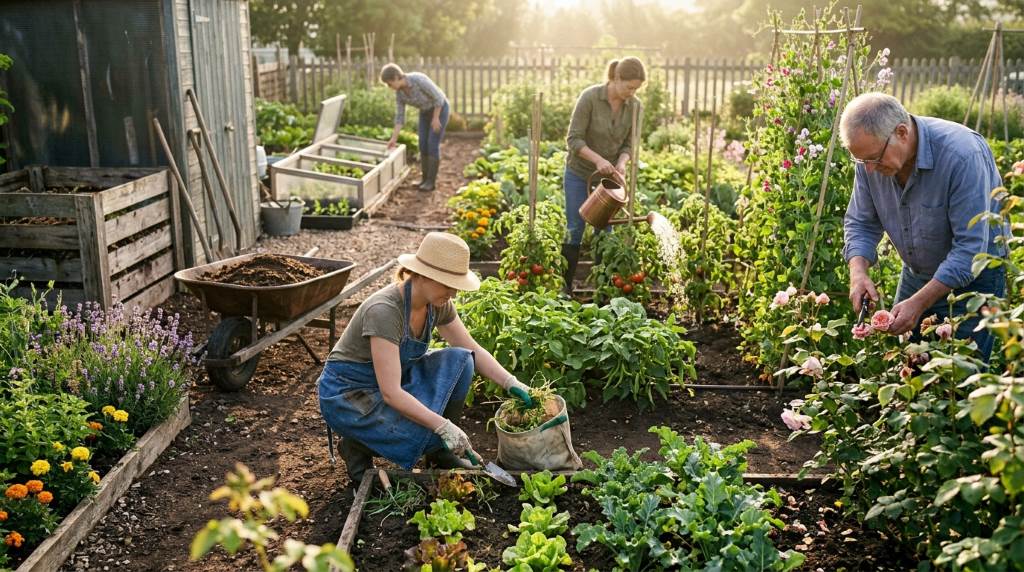
Watering too late in the morning may waste water because the sun dries soil quickly. On the other hand, watering at night can create damp conditions that attract pests. Therefore, morning irrigation remains the safest and most effective option. Many homeowners also automate sprinklers to run during sunrise hours. This method saves time while maintaining consistent moisture levels.
Popular Watering Methods Used in Denver Gardens
Denver gardeners prefer watering systems that conserve water while supporting plant health. Because drought conditions often affect Colorado, efficient irrigation matters greatly. Drip irrigation remains one of the most popular methods in residential gardens. It delivers water directly to roots with minimal waste. Consequently, plants receive steady moisture without oversaturating surrounding soil.
Soaker hoses also work well for flower beds and vegetable gardens across Denver neighborhoods. These hoses slowly release water along the soil surface. In addition, they reduce evaporation during sunny mornings. Many gardeners combine mulch with drip systems for even better moisture retention. This combination supports sustainable gardening practices in dry climates.
Benefits of Drip Irrigation
Drip irrigation offers several advantages for Denver gardeners, especially during summer heat. It helps reduce water waste and keeps foliage dry throughout the day. Furthermore, targeted watering prevents weed growth between plants. Gardeners also spend less time manually watering large garden spaces. Therefore, drip systems remain a favorite option across urban and suburban gardens.
Here are common benefits of drip irrigation:
- Reduces evaporation in dry climates
- Prevents fungal diseases on leaves
- Saves water during drought restrictions
- Improves root development
- Supports healthier vegetable production
Morning Mulching Practices
Mulching forms an important part of morning garden care in Denver. Gardeners often inspect mulch layers early in the day before temperatures rise. Organic mulch helps soil retain moisture and regulate root temperature. In addition, it protects plants from sudden temperature swings common in Colorado. A healthy mulch layer also limits weed growth naturally.
Popular mulch choices in Denver include shredded bark, straw, pine needles, and compost. Gardeners usually apply two to three inches around plants for best results. However, they avoid piling mulch directly against stems and trunks. Excess moisture near stems may lead to rot and pest problems. Therefore, proper placement matters as much as the material itself.
Early Morning Pest Inspections
Denver gardeners frequently inspect plants for pests during morning hours because insects move slowly in cooler temperatures. This timing makes pests easier to spot and remove manually. Aphids, spider mites, and grasshoppers commonly affect local gardens during warmer months. Therefore, gardeners check leaves carefully for holes, discoloration, and sticky residue. Quick action prevents major infestations later in the season.
Many homeowners prefer natural pest control methods to protect pollinators and beneficial insects. For example, they spray neem oil early in the morning before bees become active. Others introduce ladybugs to control aphid populations naturally. In addition, gardeners remove damaged leaves to stop disease spread. These proactive steps help maintain balanced garden ecosystems.
Signs of Common Garden Problems
Morning inspections help gardeners catch early warning signs before plants decline seriously. Denver’s dry climate can stress plants quickly during summer heat. Therefore, gardeners watch closely for changes in leaf texture and color. Identifying problems early often saves time and money. It also improves plant recovery rates significantly.
Common signs gardeners monitor include:
- Yellowing leaves
- Wilting stems
- Brown leaf edges
- Holes from chewing insects
- Powdery mildew on foliage
Pruning and Deadheading in the Morning
Many Denver gardeners prune plants during cool morning hours to reduce stress on stems and flowers. Morning pruning also gives cuts enough time to dry during daylight. This practice lowers the chance of fungal infections developing overnight. Furthermore, gardeners can clearly identify damaged branches in natural morning light. Healthy pruning improves airflow and encourages stronger growth.
Deadheading flowers remains another popular morning task across Denver gardens. Removing spent blooms encourages plants to produce more flowers throughout the season. In addition, deadheading keeps garden beds tidy and attractive. Gardeners commonly deadhead roses, petunias, marigolds, and zinnias. Regular maintenance helps extend blooming periods during Colorado summers.
Caring for Vegetable Gardens in Denver Mornings
Vegetable gardens require special morning attention because Denver weather changes rapidly. Tomatoes, peppers, lettuce, and cucumbers often need deep watering before hot afternoons arrive. Therefore, gardeners inspect vegetable beds daily during peak growing months. Consistent care helps vegetables develop stronger roots and better fruit production. Morning maintenance also reduces heat stress during dry periods.
Denver gardeners frequently add compost around vegetables during morning hours. Compost improves soil structure and increases water retention naturally. In addition, organic matter supplies essential nutrients throughout the growing season. Gardeners often rotate crops yearly to reduce disease problems. This strategy supports healthier harvests and stronger soil conditions.
Best Vegetables for Denver Gardens
Certain vegetables perform especially well in Denver’s climate when gardeners follow consistent morning care routines. These crops tolerate strong sunlight and cooler nighttime temperatures effectively. Furthermore, many local gardeners select drought-tolerant varieties for easier maintenance. Choosing climate-friendly plants improves gardening success significantly. It also reduces water usage during summer.
Popular vegetables in Denver gardens include:
- Tomatoes
- Peppers
- Kale
- Carrots
- Green beans
- Zucchini
Lawn Care During Morning Hours
Lawn maintenance also plays a major role in Denver morning gardening routines. Grass grows best when watered deeply during early morning hours. Therefore, many homeowners schedule sprinklers before sunrise for maximum efficiency. Proper watering encourages deeper root systems and stronger drought resistance. Healthy lawns also recover faster from summer heat stress.
Denver gardeners usually mow lawns during cooler morning temperatures as well. Sharp mower blades help prevent grass damage and uneven cuts. In addition, homeowners avoid cutting grass too short during hot months. Taller grass retains moisture better and protects roots from heat. This simple adjustment improves lawn health significantly.
Protecting Plants From Denver Weather
Denver weather often changes suddenly, especially during spring and early fall mornings. Gardeners stay alert for frost warnings even after warm afternoons. Therefore, many homeowners keep frost cloths and covers nearby for quick protection. Morning monitoring helps gardeners react before severe weather damages plants. Fast action protects flowers, vegetables, and shrubs from temperature shock.
Strong winds also affect Denver gardens throughout the year. Gardeners often use windbreaks, fences, and shrubs to reduce plant stress. In addition, staking taller plants prevents breakage during storms. These protective methods help gardens remain productive despite unpredictable weather conditions. Careful preparation supports long-term garden success.
Using Compost and Natural Fertilizers
Morning remains the best time to apply compost and fertilizers because cooler conditions reduce plant stress. Denver gardeners commonly use organic fertilizers to improve soil naturally. Compost tea, fish emulsion, and worm castings remain popular options among local gardeners. These products provide steady nutrients without harming beneficial soil organisms. As a result, plants grow stronger and healthier over time.
Many gardeners also spread compost around plants during spring mornings. Organic matter improves water retention in Denver’s dry soil conditions. Furthermore, compost supports microbial activity that benefits root systems. Healthy soil creates stronger resistance against drought and pests. Therefore, soil improvement remains a major focus for Denver gardeners.
Seasonal Morning Garden Tasks
Different seasons require different morning gardening methods across Denver neighborhoods. Spring mornings focus heavily on planting, pruning, and soil preparation after winter freezes. Summer care emphasizes watering, mulching, and heat protection for flowers and vegetables. In contrast, fall mornings involve cleanup, composting, and frost preparation. Seasonal adjustments help gardens remain healthy year-round.
Winter mornings also require occasional attention despite colder temperatures. Gardeners inspect trees and shrubs for snow damage after storms. In addition, they protect sensitive plants from freeze-thaw cycles common in Colorado winters. Preparing gardens during every season improves long-term plant performance. Consistency remains one of the biggest keys to successful gardening.
Conclusion
Morning garden care methods remain extremely popular among gardeners in Denver, CO because they support healthier plants and conserve valuable water. Early watering, mulching, pest checks, and pruning all help gardens thrive in Colorado’s dry climate. In addition, consistent morning routines improve vegetable harvests and lawn appearance throughout the year. Small daily actions often create the biggest long-term gardening results. Start building your own morning garden care routine today to create a healthier, greener, and more beautiful outdoor space.
FAQs
What is the best time to water gardens in Denver?
The best time to water gardens in Denver is early morning between 5:30 AM and 8:00 AM.
Why do Denver gardeners prefer drip irrigation?
Denver gardeners prefer drip irrigation because it saves water and delivers moisture directly to plant roots.
How often should mulch be replaced in Denver gardens?
Most gardeners refresh mulch once or twice each year depending on weather and soil conditions.
Which vegetables grow best in Denver gardens?
Tomatoes, peppers, kale, carrots, and zucchini grow especially well in Denver’s climate.
Why is morning pest inspection important?
Morning inspections help gardeners spot pests early before infestations spread across plants.
Related Reads
Learn: Moving to Paradise Valley, Arizona: The Complete Guide for Homebuyers
Read more: Five Signs it is Time to Replace Your Kitchen Doors