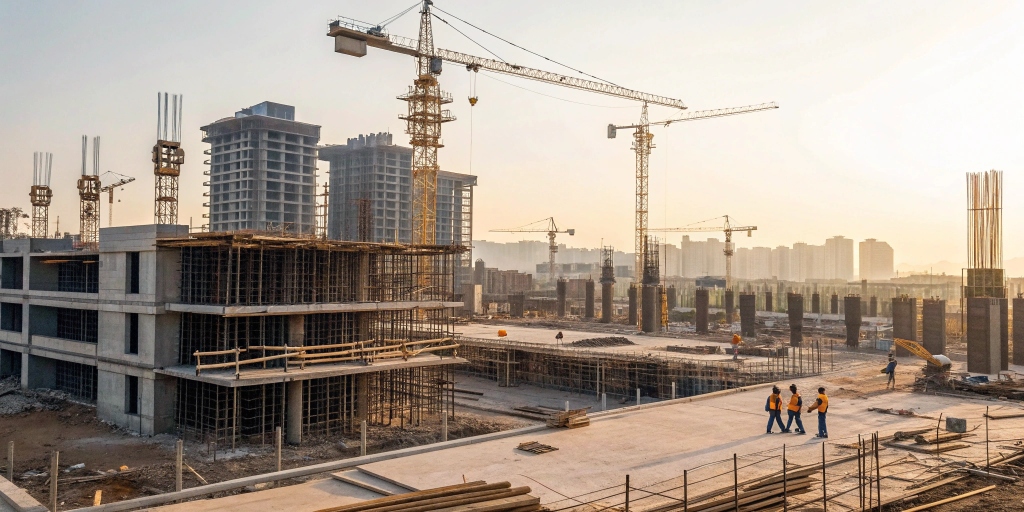
The Benefits of an Integrated Design-Build Approach in Construction
Key Takeaways
- The design-build approach combines design and construction under a single contract to improve efficiency and accountability.
- Early collaboration improves communication, reduces conflicts, and enhances project outcomes.
- Overlapping design and construction phases significantly shorten project timelines.
- Integrated teams enable more accurate cost control and value-driven decision-making.
- Unified responsibility strengthens quality control, risk management, and faster approvals.
Introduction
The construction industry is evolving rapidly, adopting methods that prioritize efficiency, transparency, and collaboration. One of the most notable advancements is the integrated design-build approach, which combines design and construction services under one contract. This project delivery method is gaining popularity because it addresses many challenges encountered in more traditional approaches. For clients seeking seamless and cost-effective results, companies like Snyder Construction have demonstrated the advantages of this methodology through streamlined project execution and consistent communication from conception to completion.
By having a single entity responsible for both design and construction, the design-build model offers distinct advantages, including enhanced collaboration, reduced costs, faster delivery, and more thorough risk management. These benefits are particularly important as clients demand greater accountability and value from their construction partners.
Enhanced Communication and Collaboration
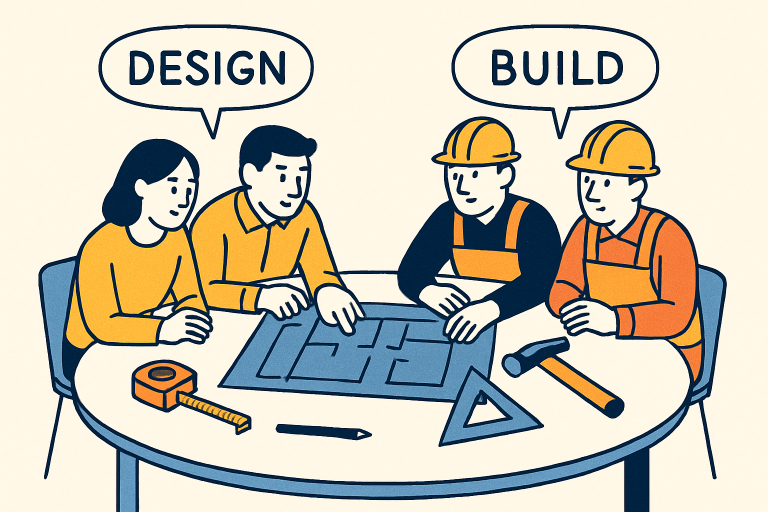
At the heart of every successful construction project lies effective communication. The design-build approach stands apart from traditional methods, such as design-bid-build, by establishing a partnership between designers and builders from the onset of the project. This early and ongoing collaboration reduces the risk of misunderstandings and ensures all stakeholders are aligned in their goals. As a result, there is less conflict, greater innovation, and a unified push towards timely and high-quality outcomes.
Seamless communication also enables real-time problem-solving, allowing project teams to collectively address issues as they arise. The result is a smoother workflow, fewer delays, and higher client satisfaction throughout the build. According to research from the Federal Highway Administration, design-build projects often experience cost savings and improved schedule performance compared to traditional methods.
Time Efficiency
Time is a crucial factor in construction, given the costly implications of project delays. Traditional project delivery methods require design to be completed before construction can begin, often leading to bottlenecks and pauses between phases. The integrated nature of the design-build model, however, allows various project phases to overlap. As soon as design elements are finalized, construction can start immediately, allowing teams to make progress while further design work continues.
This concurrent approach to project delivery significantly reduces overall timelines. In rapidly changing markets or for projects with tight deadlines, adopting the design-build method can be the pivotal decision that allows clients to bring their visions to life faster than their competition.
Cost Savings
Budget overruns are a notorious challenge in construction. With integrated design and construction teams, cost estimation becomes much more accurate early in the project life cycle. The streamlined design-build team can collaboratively identify cost-saving solutions and value-engineering options, ensuring expenses stay within predetermined boundaries.
Significantly, this joined approach helps eliminate the adversarial culture that sometimes arises between architects and contractors in more traditional settings. When everyone is focused on delivering the best result within a shared budget, clients benefit from not only keeping construction costs in check but also from innovative solutions that maximize value for money. A report from For Construction Pros highlights that while design-build projects often finish on time, some have experienced budget overruns, emphasizing the importance of effective cost management within this model.
Quality Control
Maintaining high standards throughout a project can be challenging when different teams are responsible for separate phases. The continuity offered by the design-build approach means all team members remain engaged from start to finish, upholding quality at every stage.
This collective responsibility creates a system of checks and balances, with continual oversight reducing mistakes and the costly need for rework. The resulting efficiency also frees up time and resources to devote to innovative design features or sustainable building practices.
Streamlined Decision-Making
Decision-making bottlenecks are another common cause of project slowdowns. In a design-build system, there is a single point of accountability for both design and construction. This unified structure accelerates approvals and changes as the project advances, ensuring smoother administration and far fewer disputes between parties.
With fewer layers of bureaucracy and a clear chain of command, teams can act decisively to keep the project moving forward without getting bogged down in red tape.
Risk Management
Construction projects naturally carry risks, including cost escalations, supply chain issues, schedule delays, and unexpected site conditions. The integrated design-build method naturally shifts risk to the team responsible for both design and build, providing a greater incentive for proactive planning and solutions-focused project management.
With detailed project plans and clear contractual obligations, design-build teams are better equipped to anticipate and neutralize risks before they become significant issues. This not only reassures clients but also reduces the chance of litigation, which is always a concern in the construction sector.
Final Thoughts
The integrated design-build approach has transformed the construction industry, providing clients with an alternative that emphasizes efficiency, collaboration, and accountability. Companies that embrace this model deliver projects faster and more cost-effectively while maintaining superior quality throughout the process.
As the construction environment continues to advance, the design-build model stands out as a best-practice strategy for delivering projects that meet the evolving needs of clients, communities, and markets.