How to Compare Affordable Scooters with Handles in Florida
Finding an affordable scooter with a handle in Florida that actually holds up to daily use feels like a puzzle. You have kick scooters, electric models, and folding options, all competing for your attention with different wheel sizes, weights, and price tags. The challenge is separating the marketing hype from the models that genuinely suit your commute, your storage space, and your budget under the Florida sun. This guide breaks down the most practical factors, common trade-offs, and specific buying criteria to help you make a confident choice without spending more than necessary.
Key Takeaways
- Prioritize wheel size and deck width over flashy features when choosing an affordable scooter for Florida’s mixed terrain.
- Weight capacity and folded dimensions matter more than brand name for most budget-conscious buyers, especially if you use public transit.
- Electric scooters with handles require checking local ordinances about speed limits and where you can legally ride on Florida roads.
- Replacement parts availability and tire type are overlooked factors that significantly affect long-term cost and convenience.
- For a practical starting point, you can compare affordable scooters with handles Florida to see how different models stack up against your specific needs.
What Does “Affordable Scooter with Handles” Really Mean?
An affordable scooter with handles generally falls into two categories: manual kick scooters and low-cost electric scooters. The “handle” usually refers to a T-bar steering column, which provides stability and control, distinguishing these from smaller push scooters or skateboards without extended handlebars. In Florida, affordability usually means staying under the $300 mark for electric models and under $100 for quality manual ones. However, the real cost includes maintenance, replacement parts, and whether the scooter can handle the local environment.
Why the Florida Environment Changes Your Decision
Florida’s heat, humidity, and frequent afternoon rain showers affect scooters differently than in cooler climates. Rust-resistant materials like aluminum frames are practically a necessity near coastal areas where salt air accelerates corrosion. Additionally, many Florida sidewalks are made of concrete that can be rough and uneven, especially in older neighborhoods. A scooter with small, hard wheels will vibrate excessively and slow you down on these surfaces. Look for wheels made of polyurethane with a durometer rating around 78A to 85A for a smoother ride over cracks and expansion joints.
Key Factors to Compare Before Buying
When narrowing down options, focus on a few critical specifications rather than getting distracted by color options or decorative details. The following points will directly affect your experience and the overall value you get.
Wheel Size and Type
Wheel diameter has the biggest impact on ride quality. Wheels under 120mm work fine for smooth indoor surfaces or perfectly flat sidewalks, but they struggle on Florida’s brick-paved streets and cracked asphalt. A wheel size between 200mm and 250mm is the sweet spot for most adult riders, as it rolls over debris more easily and absorbs shock without the need for a complex suspension system. Also, consider whether the wheels are solid or pneumatic (air-filled). Solid wheels never go flat but transfer more vibration; pneumatic wheels offer a cushioned ride but require occasional inflation and are more prone to punctures from sharp objects like palmetto berries or broken shells.
Deck Width and Length
The deck attaches to the handlebar base and is where you stand. A too-narrow deck makes balancing uncomfortable, especially for longer rides. Look for a deck width of at least 4.5 inches and a length of at least 18 inches for adults. Also, check the deck’s grip tape. In Florida’s frequent rain, water-resistant grip is essential. Some affordable models include a slightly textured surface that provides adequate traction even when wet. A slick deck is a safety hazard, not just a comfort issue.
Folding Mechanism and Portability
If you plan to combine your scooter ride with a bus trip or store it under a desk, the folding mechanism’s quality matters. Inexpensive scooters often have a simple latch that can loosen over time. When comparing models, examine the locking mechanism for any noticeable play. A sturdy folding joint that clicks into place securely is worth paying a few extra dollars for. Also, pay attention to the folded size. Some budget scooters fold down to a compact package, while others only partially collapse, which can be annoying when you are trying to board a crowded Lynx bus or fit it in a small car trunk.
Electric vs. Manual: Which Type Fits Your Daily Routine?
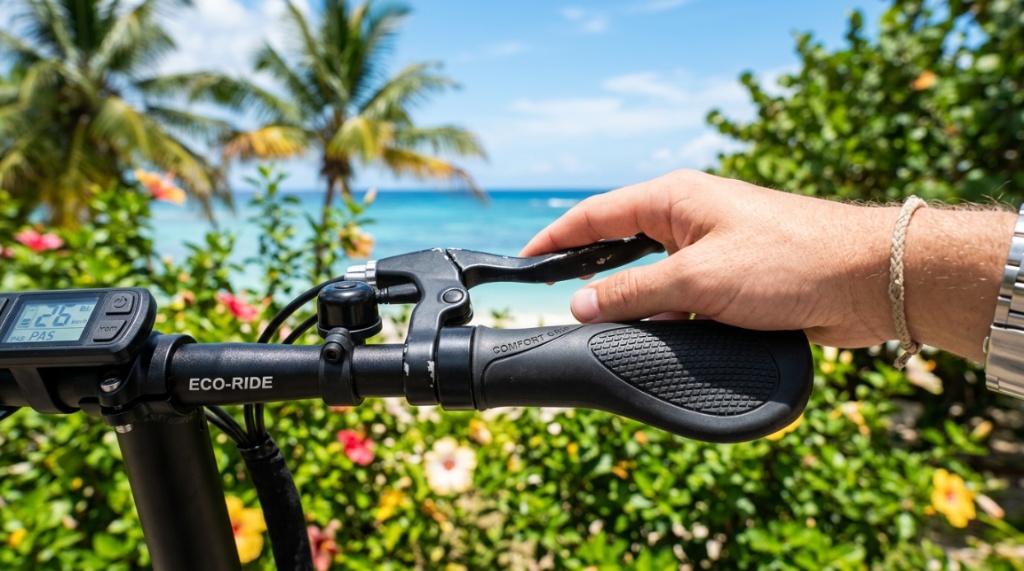
Your decision between a manual kick scooter and an electric one should be based on how far you travel and how much physical effort you want to exert.
- Manual scooters: Best for short distances under two miles, flat terrain, and people who want a light, maintenance-free option. They are significantly cheaper and rarely require repairs beyond replacing wheels or grips.
- Electric scooters: Useful for commutes of three to ten miles or when the heat makes kicking for twenty minutes unpleasant. However, they are heavier (often 25-35 lbs), need to be charged, and have more parts that can break.
For a purely budget-driven decision, manual scooters win on price and reliability. If you are leaning toward electric, be prepared for battery degradation over time, which is accelerated by Florida’s high temperatures. Leaving an electric scooter in a hot car trunk can permanently reduce battery life, so consider how you will store it, For durability tips on your everyday athletic gear, read our guide on how to maintain your skate pants for long life.
Comparing Local Conditions: Sidewalks, Bike Lanes, and Weather
Florida is not a single terrain. Miami’s flat, grid-like streets are different from the hilly areas in parts of the Panhandle or the sandy paths near the coasts. Understanding the specific surface you will ride on is more important than any general specification. For coastal cities with high humidity, a scooter with stainless steel bearings is preferable to standard steel bearings, as they resist rust. Inland areas with rougher pavement benefit from larger wheels and a slightly wider deck for stability.
Rules of the Road You Must Know
Florida law treats scooters differently depending on the type. Electric scooters with handles are generally considered “micromobility devices” and are subject to specific regulations. You do not need a driver’s license to operate an electric scooter under 20 mph, and you are not required to wear a helmet if you are over 16 years old, although it is strongly recommended. Important to note: riding on sidewalks is often prohibited in commercial districts in cities like Orlando and Tampa. You are expected to use bike lanes or the road. Manual kick scooters have fewer restrictions, but you should still follow pedestrian rules when on sidewalks. When comparing models, think about whether your intended route aligns with these legal constraints.
Hidden Costs That Affect Your Budget
The purchase price is only the beginning. Consider the total cost of ownership over a year. Inexpensive tires wear out, grips need replacing, and bearings may need lubrication. For electric models, replacement batteries are a major expense, sometimes costing half as much as a new scooter. Before you buy, search for whether replacement parts are readily available for that specific brand. Generic brands with no local dealer network may force you to order parts online from overseas, leading to long shipping times and high costs.
What to Look For in Build Quality
Even in the budget segment, some scooters are clearly built with better materials than others. Look for a handlebar that has a quick-release clamp for height adjustment, which offers long-term flexibility. Check the welds on the frame where the deck meets the stem. In a high-quality scooter, these welds are smooth and uniform. A rough or lumpy weld indicates poor craftsmanship and a likely weak point that could crack under stress. Also, press on the deck to see if it flexes under your weight. Excessive flex means the frame is too thin and will not last.
Common Mistakes When Buying an Affordable Scooter
Many buyers focus too much on maximum speed or range for electric models, ignoring the actual ride quality. A scooter that goes 18 mph but feels unstable at 10 mph is a poor choice. Similarly, buyers often overlook the importance of the handlebar grips. In Florida’s heat, rubber grips can sweat and become sticky. Look for grips with a textured pattern that channels sweat away. Another mistake is underestimating how much a scooter weighs if you have to carry it up stairs. A scooter that weighs 30 pounds gets very heavy after carrying it up three flights of stairs in the humidity.
A Simple Decision Checklist
When you are ready to make a purchase, take a physical look at the scooter if possible. If buying online, read the fine print on materials and dimensions. Use this checklist to narrow down your options:
- Confirm wheel size is at least 200mm for outdoor use.
- Check the maximum weight limit exceeds your weight by at least 20 pounds for safety buffer.
- Verify the folded height is short enough for your storage area.
- Ensure the deck is long enough for your shoe size to fit comfortably without overhang.
- For electric models, check if the battery is removable for convenient charging.
Frequently Asked Questions
Do I need a license to ride a scooter with handles in Florida?
For electric scooters under 20 mph, you do not need a driver’s license or registration. Manual kick scooters are not classified as motor vehicles, so no license is required. However, local city ordinances may have specific rules for riding on sidewalks, so check your local municipal code.
Are larger wheels always better for an affordable scooter?
Larger wheels provide a smoother ride over cracks and uneven pavement, which is common in Florida. However, they can make the scooter slightly heavier and harder to steer at very low speeds. For most adults, 200mm to 230mm wheels offer the best balance of comfort and maneuverability without adding too much weight.
Can I ride an electric scooter in the rain in Florida?
Most budget electric scooters have an IPX4 rating, which means they can handle light splashes but not heavy rain or puddles. Water can damage the electrical components or cause rust on the bearings. If you get caught in a typical Florida downpour, dry the scooter thoroughly and avoid riding through standing water to prevent damage.
How do I maintain an affordable scooter to make it last longer?
Regularly check the wheel bearings for debris, keep the deck grip clean, and tighten all visible bolts. For electric scooters, store the battery at around 50% charge if you will not use it for a few weeks, and avoid leaving it in direct sun. Applying a light silicone lubricant to the folding mechanism prevents squeaking and rust.
Is it worth buying a used scooter with handles?
A used manual scooter is often a great deal if the frame is not cracked and the wheels spin freely. For electric scooters, be more cautious. Battery health is difficult to assess, and replacement batteries are expensive. If buying used electric, ask about the battery’s capacity and how many charge cycles it has gone through.
Conclusion
Comparing affordable scooters with handles in Florida is less about finding a flashy brand and more about matching the right specifications to the local environment and your personal routine. Prioritize wheel size, deck stability, and build quality over aesthetic appeal. Whether you choose a manual kick scooter for simplicity or a budget electric model for convenience, remember that hidden costs like replacement parts and battery maintenance play a significant role in long-term satisfaction. Take the time to measure your storage space, consider your daily route, and review local riding laws carefully. With the right approach, a durable and practical scooter is well within your budget.