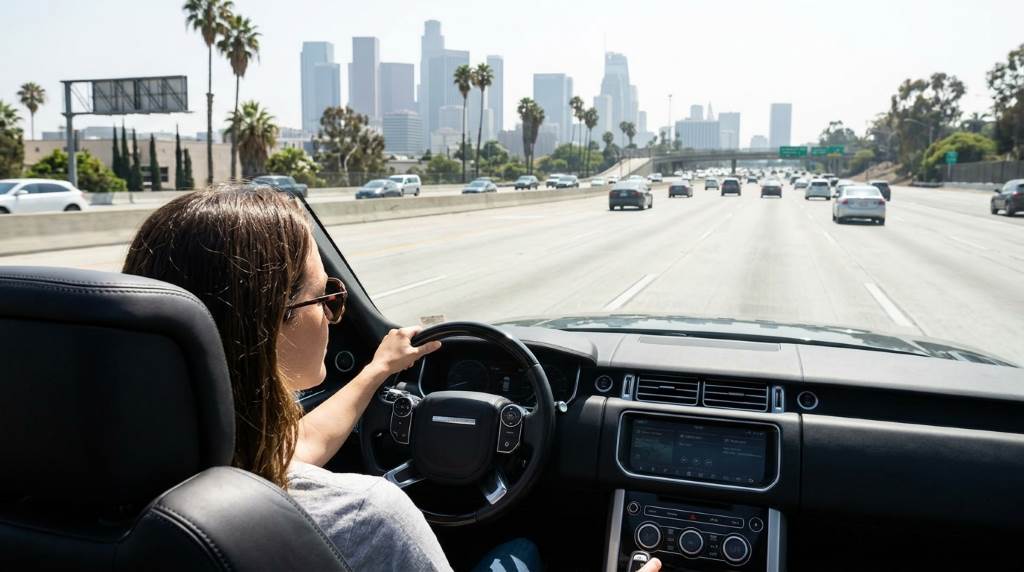
Why Los Angeles, CA Drivers Struggle on Island Roads
Driving habits developed in Los Angeles often reflect wide highways, predictable traffic patterns, and familiar road layouts. However, many drivers face unexpected challenges after reaching island destinations with narrower routes and changing terrain. According to the Federal Highway Administration, over 40,000 people lose their lives annually in traffic crashes, while the National Park Service welcomes millions of visitors each year. Therefore, understanding local road conditions improves safety and confidence before every journey. Travelers exploring Big Island national parks should prepare for unique driving conditions that differ greatly from urban environments.
Urban Driving Habits Often Create Island Challenges
Los Angeles drivers usually depend on multilane roads, synchronized traffic lights, and faster travel speeds. Consequently, these habits may become difficult to manage after arriving on smaller island roads with limited passing opportunities.
Island communities often prioritize slower travel, pedestrian safety, and environmental preservation over speed. Similarly, drivers benefit from researching destinations, much like reading about sunset picnics NYC before planning memorable outdoor experiences.
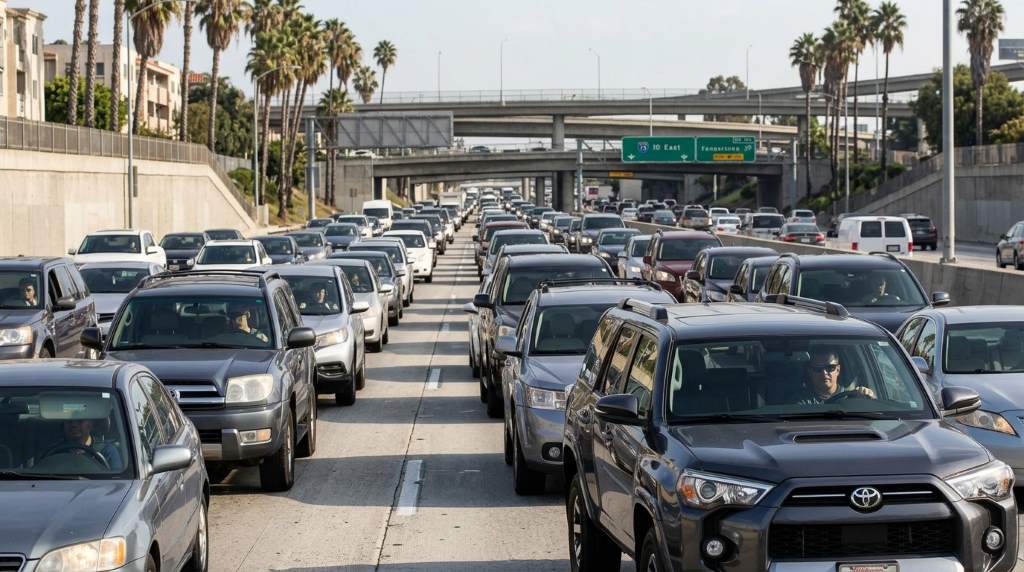
Road Width Requires Greater Attention
Narrow lanes leave less room for steering mistakes and sudden corrections. Therefore, maintaining steady speeds helps drivers remain comfortable while sharing space with cyclists and local traffic.
Traffic Flow Feels Completely Different
Heavy highway traffic teaches patience through congestion instead of careful positioning. In contrast, island roads demand constant awareness because curves, hills, and changing surfaces appear frequently.
Different Road Designs Surprise Visiting Drivers
Island road networks often follow natural landscapes instead of straight engineering plans. Consequently, drivers encounter winding roads that require slower speeds and continuous concentration.
Many routes include steep climbs followed by sharp downhill sections within short distances. Likewise, travelers researching destinations such as the Forest of Dean understand that natural environments shape transportation choices.
Sharp Curves Demand Better Control
Highway driving rarely prepares visitors for repeated tight turns around hills and coastlines. Therefore, reducing speed before entering every curve creates smoother and safer vehicle control.
Limited Visibility Changes Decisions
Dense vegetation and elevation changes sometimes reduce visibility around corners. As a result, careful observation becomes more valuable than quick acceleration during unfamiliar drives.
Weather Conditions Add Unexpected Difficulty
Island weather often changes rapidly throughout the same day without much warning. Consequently, dry pavement may quickly become wet, slippery, or covered with fallen leaves.
Preparation makes every journey safer because changing conditions affect braking distance and visibility. Likewise, reading guides about travel camping essentials reminds travelers that planning reduces unnecessary risks.
Rain Creates Slippery Surfaces
Even light rain can reduce tire grip on polished road surfaces. Therefore, increasing following distance provides extra time for safe reactions during changing weather.
Strong Coastal Winds Affect Stability
Open coastal highways sometimes experience sudden wind gusts throughout the afternoon. Accordingly, drivers should hold the steering wheel firmly while reducing unnecessary speed.
Local Driving Culture Requires Patience
Many island communities encourage relaxed driving instead of aggressive lane changes or constant overtaking. Therefore, respecting local habits creates smoother traffic flow and reduces unnecessary stress.
Residents often know hidden road hazards through years of daily experience. Consequently, following local traffic patterns usually proves safer than relying only on navigation applications.
Courtesy Improves Every Journey
Allowing vehicles to merge naturally helps maintain positive traffic movement across narrow roads. Likewise, friendly driving behavior supports safer experiences for everyone sharing limited roadway space.
Rental Vehicles Can Feel Unfamiliar
Many visitors drive rental vehicles with different dimensions and handling characteristics than personal cars. Consequently, drivers need additional time before feeling completely comfortable behind the wheel.
Vehicle controls may also differ between manufacturers and model years. Therefore, checking mirrors, brakes, lights, and steering before departure prevents unnecessary surprises later.
Practice Before Longer Trips
Short practice drives help visitors understand acceleration, braking, and turning performance. As a result, confidence grows before entering busier or more challenging island routes.
Navigation Requires More Than GPS
Navigation technology remains helpful, yet it cannot replace careful observation of surrounding conditions. Therefore, drivers should watch road signs instead of focusing only on digital directions.
Construction projects, temporary closures, and weather events sometimes affect recommended routes. Consequently, flexible planning helps travelers adjust safely whenever unexpected situations appear.
Practical Tips for Safer Island Driving
Simple preparation greatly improves driving comfort while reducing avoidable mistakes. Moreover, thoughtful habits protect passengers, pedestrians, and local communities throughout every journey.
- Drive below posted speed limits when roads feel unfamiliar.
- Increase following distance during rain or reduced visibility.
- Slow before entering curves instead of braking sharply inside them.
- Respect local drivers and avoid unnecessary passing.
- Check weather forecasts before beginning longer trips.
- Keep fuel levels above half during remote drives.
- Watch carefully for wildlife, cyclists, and pedestrians.
Final Thoughts
Los Angeles drivers often struggle on island roads because the environment rewards patience, awareness, and careful planning instead of speed. However, adapting driving habits quickly transforms stressful journeys into enjoyable travel experiences. Start preparing before every trip, respect local road conditions, and practice defensive driving for safer adventures wherever island roads lead.
Frequently Asked Questions
Why do Los Angeles drivers find island roads difficult?
Island roads feature narrower lanes, sharper curves, and different driving expectations than large city highways.
Should drivers reduce speed on island roads?
Yes, slower speeds improve control and provide more reaction time around curves and changing terrain.
Do weather conditions affect island driving?
Yes, sudden rain and coastal winds can quickly change road safety conditions.
Are rental vehicles harder to drive on island roads?
Yes, unfamiliar controls and handling often require a short adjustment period before longer trips.
What is the best way to prepare before driving on island roads?
Study the route, monitor weather forecasts, inspect the vehicle, and drive patiently throughout the journey.