
How to Pick Robot Vacuum for New York Apartments
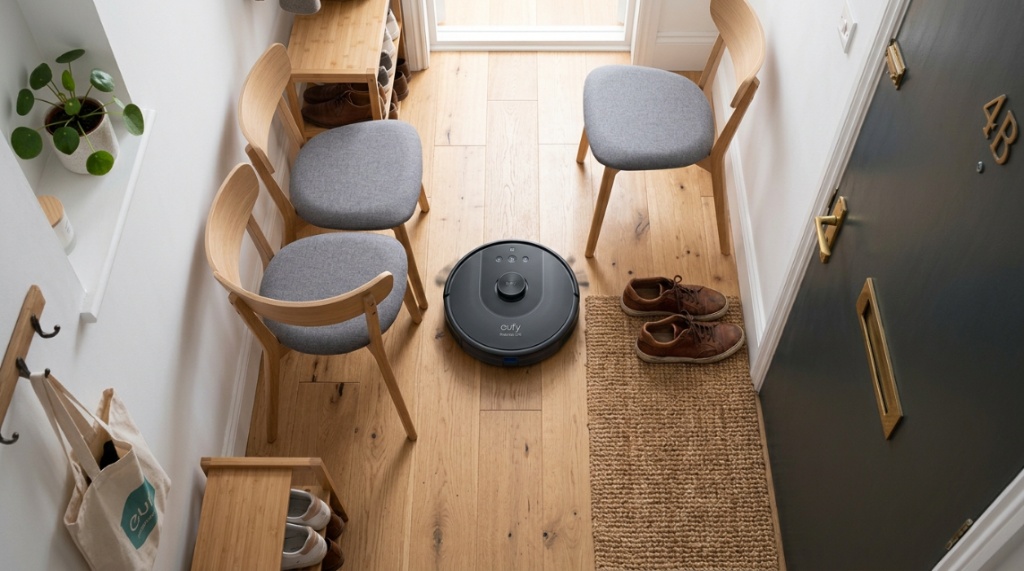
Your stylish 650-square-foot Upper West Side pre-war seems perfect—until you realize how much dust, crumbs, and mystery debris collects in the corners by 5 PM. Between narrow hallways, dark hardwood floors, area rugs, and that one stubborn rug tassel that eats any bot alive, finding the right robot vacuum for New York apartments feels like solving a puzzle. You want clean floors without losing your security deposit or your sanity.
The problem is real: apartment layouts vary wildly, pet hair and city grime accumulate fast, and budgets are tight. Most robot vacuums on the market are designed for sprawling suburban homes, not compact city living. The solution isn’t just buying the cheapest model—it’s picking a vacuum that actually fits your specific space, floor plan, and lifestyle. This guide breaks down exactly what to look for so you can stop searching and start cleaning.
What Makes a Robot Vacuum Suitable for a New York Apartment?
Compact Sizing and Slim Profile
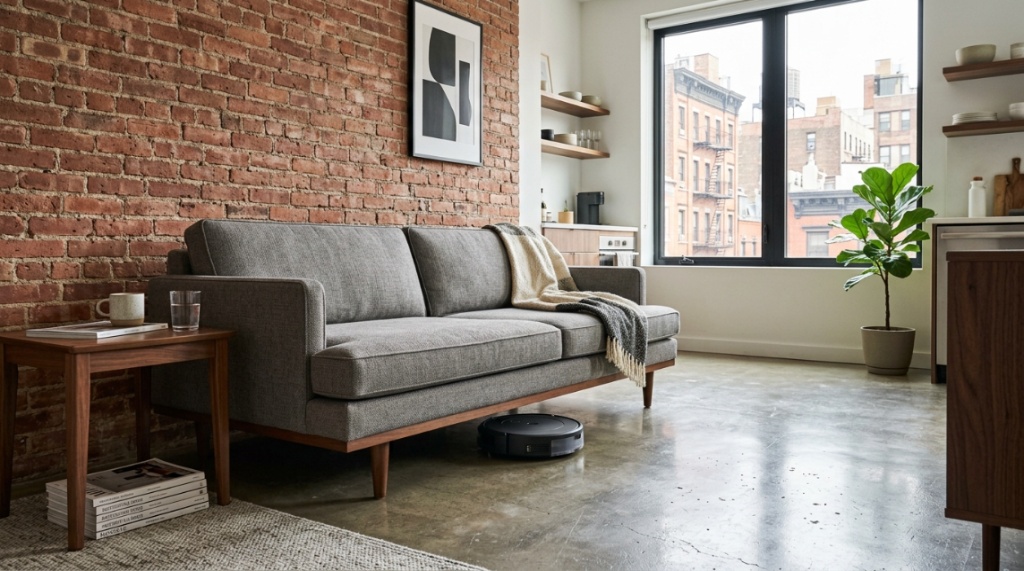
New York apartments are famously tight. A robot vacuum with a diameter over 13 inches can struggle to fit between furniture legs or into narrow galley kitchens. Look for models under 12.5 inches wide and ideally 3.5 inches or less in height. Slim bots slide under radiators, low-profile couches, and that vintage console table you inherited. The smaller footprint also means they can pivot in tighter spaces, reducing the chance of getting stuck under a mid-century armchair.
Navigation That Handles Clutter
NYC apartments often double as offices, gyms, and dining rooms. Your robot needs smart navigation to weave around yoga mats, charging cables, and stray shoes. Lidar or vSLAM mapping systems are superior to random-bounce models. A vacuum that creates a digital map learns your floor plan and avoids known obstacles. Some even let you set “no-go zones” for pet bowls or delicate rug tassels, saving you from mid-clean rescues.
Quiet Operation for Thin Walls
New York walls are paper-thin—your neighbor will hear everything. Choose a robot vacuum rated under 60 decibels for general cleaning. Many modern bots offer a “quiet mode” that runs at a lower suction but still handles daily dust. If you plan to run it while you sleep or work, look for models that specifically advertise silent operation. Your roommate and your downstairs neighbor will thank you.
How Much Suction Do You Really Need for City Floors?
Suction Requirements for Hardwood vs. Carpet
Most NYC apartments combine hardwood or laminate floors with a few area rugs. For hard surfaces, 1,500 to 2,000 Pascals (Pa) of suction is plenty. Higher suction—2,500 Pa or more—is beneficial if you have deep-pile carpets or thick shag rugs. Too much suction on delicate hardwood can be overkill, but it won’t damage your floors. The key is a vacuum that can automatically adjust suction when transitioning between surfaces, saving battery and reducing noise on hard floors.
Why Suction Matters for City Dust and Pet Hair
City air carries fine dust, pollen, and that mysterious black grime that coats windowsills. A robot vacuum with strong suction and a high-efficiency filter (HEPA) captures these particles rather than blowing them back into your living space. If you have a shedding dog or cat, look for models with tangle-free brush rolls. A brush that resists hair tangling saves you from weekly maintenance and keeps suction strong.
Which Navigation System Is Best for Small Apartments?
Lidar vs. Camera-Based Mapping
Lidar (laser-based) navigation is generally better for apartments with changing layouts because it works in the dark and accurately measures distances. Camera-based systems rely on visual recognition, which can struggle in low light. For a 500-square-foot studio, either can work, but lidar often provides more consistent room mapping and faster cleaning cycles. Many premium models now use both for redundancy.
Virtual Boundaries and No-Go Zones
In a small space, you need precise control. The best robot vacuums let you create virtual walls or designate specific areas to avoid. For example, you can block off a delicate rug, a cat’s feeding station, or that corner with tangled cables. Some apps allow you to set these boundaries right from your phone, so you don’t need magnetic strips or physical barriers that clutter your limited floor space.
Is Mopping a Must-Have Feature for NYC Apartments?
Pros and Cons of Robot Vacuum Mop Combos
Mopping can be a game-changer for NYC apartments where street grime, muddy shoes, and spills are common. A robot vacuum mop combo handles both dry dirt and wet messes in one pass. The downside? Some combos have small water tanks that need frequent refills, and the mopping pads can require manual cleaning. If you have mostly hardwood and tile, a combo saves time. If your apartment is all carpet, skip the mop feature—it’s an unnecessary expense.
When Mopping Makes Sense in Small Spaces
In a studio or one-bedroom, one robot can handle both tasks. Look for models with electronic water control that lets you adjust the wetness. Some even have a “dry only” mode for delicate rugs. For busy professionals, a robot that vacuums and mops daily can keep a small apartment showroom-clean with almost zero effort. You can find a reliable robot vacuum for New York apartments that includes mopping without breaking the bank—just check the water tank capacity and pad drying features.
How to Choose the Right Dustbin and Filtration for Allergies
Dustbin Size for Daily Cleaning
In a small apartment, a dustbin under 300 milliliters might fill up in one cleaning cycle. Look for a bin of at least 400–500 milliliters if you plan to run the vacuum daily. Self-emptying bases are a luxury, but they’re worthwhile if you want to go weeks without touching the dustbin. For a studio, a self-emptying base with a 2.5-liter bag can last up to a month before needing a change.
HEPA Filtration and Allergy Relief
NYC apartments often trap allergens from outdoor pollution, dust mites, and pet dander. A vacuum with a true HEPA filter captures 99.97% of particles as small as 0.3 microns. This is critical if you or your family members have allergies or asthma. Some robots also feature washable filters, saving you money over time. Always check if the filter is replaceable; non-replaceable filters degrade suction performance within a year.
Can a Robot Vacuum Handle NYC’s Unique Floor Layout Challenges?
Navigating Narrow Hallways and Galley Kitchens
Galley kitchens are notoriously tight. A robot vacuum must be narrow enough to turn around in a 36-inch wide space. Look for models with a small turning radius—ideally under 12 inches—so they can execute three-point turns in tight corners. Bots with front-facing sensors can detect walls and cabinets without bumping into them, protecting your kitchen cabinetry from scratches.
Dealing with Pre-War Apartment Features
Pre-war apartments have charming but challenging quirks: uneven floors, thick door thresholds, and radiators. Choose a robot with at least 0.8 inches of clearance to climb over door transitions and low-pile rugs. Some models also have sensors that detect drop-offs, preventing falls from raised floor areas or staircases. For homes with tall thresholds, a vacuum with 1-inch clearance is ideal.
How Much Should You Spend on a Robot Vacuum for a NYC Apartment?
Budget-Friendly Options Under $300
You can find capable robot vacuums for under $300 that handle daily dust and crumbs. These models often lack advanced mapping but still offer decent suction and basic scheduling. They’re perfect for a 400-square-foot studio with mostly hard floors. Just ensure they have a physical remote or a simple app that works with your phone. Avoid ultra-cheap models under $150—they often have poor navigation and fragile components.
Mid-Range and Premium Picks ($300–$800)
Spending between $300 and $800 gets you Lidar navigation, self-emptying bases, and mopping capabilities. These models are worth the investment if you have a one-bedroom or larger apartment with mixed flooring. You also get better battery life—some run for 150 minutes before needing a recharge. Premium models often include advanced object avoidance, which prevents tangling with cables and pet toys.
Which Battery Life Do You Need for a Small Space?
Battery Duration vs. Apartment Size
Most NYC apartments range from 400 to 1,000 square feet. A battery lasting 90 to 120 minutes can clean a 600-square-foot apartment without recharging. Larger or more cluttered spaces may benefit from a 150-minute battery. Many robots also have a “recharge and resume” feature, meaning they return to the dock when low, recharge, and then continue cleaning where they left off.
Fast Charging and Continuous Cleaning
Look for models that charge fully in under 3 hours. Some premium bots charge in 2 hours or less. If you run your vacuum during work hours, fast charging ensures it’s ready for the next cycle. Bots with swappable batteries are rare but useful if you have a larger apartment and want to clean in one uninterrupted session.
What Features Should You Prioritize If You Have Pets?
Tangle-Free Brushes for Long Hair
Pet owners in NYC must deal with shedding. A robot vacuum with a rubber brush roll (as opposed to bristle brushes) resists hair tangling. Some models feature a self-cleaning brush roll that cuts hair away as it spins. If you have a Golden Retriever or a long-haired cat, prioritize a vacuum that advertises tangle-free performance—you’ll save hours of maintenance.
Pet Hair Suction and Filter Considerations
Pet hair requires strong suction and a HEPA filter to trap dander. Look for models with over 2,000 Pa suction for picking up embedded fur. Some robots also come with a “pet mode” that increases suction on carpet and furniture detection sensors that avoid pet bowls and beds. Check if the dustbin has a rubber seal—some budget models blow dust back into the room when the bin is full.
Frequently Asked Questions
Can a robot vacuum handle high-pile carpets in NYC apartments?
Most robot vacuums struggle with high-pile or shag carpets. If you have thick carpet, look for models with at least 2,500 Pa suction and a “carpet boost” mode that automatically increases power. Avoid models with low clearance (under 0.8 inches) on shag rugs, as they may get stuck or tangle the brush.
Do I need a self-emptying base for a small apartment?
Not necessarily. In a 400-square-foot studio, a 500-milliliter dustbin may last several days before needing emptying. Self-emptying bases are convenient but add significant cost. If you hate touching dust or have allergies, a self-emptying model is worth the investment.
Is it safe to run a robot vacuum while I’m away at work?
Yes, but only if you have a reliable model with obstacle detection. Avoid running budget bots unattended near charging cables, delicate furniture, or pet accidents. Modern bots with mapping and object avoidance are generally safe to run when you’re not home.
How often should I maintain my robot vacuum in a NYC apartment?
Empty the dustbin after every cycle, clean the brush roll every two weeks, and replace the filter every 1–2 months. If you have pets or heavy traffic, inspect the vacuum weekly for tangled hair. Regular maintenance extends the life of your robot and keeps suction strong.
Will a robot vacuum work on dark hardwood floors?
Yes, but some budget models with cliff sensors may mistake dark floors for drop-offs and stop. Choose a model with advanced sensors or a setting for dark floors. Test it first in the most challenging area of your apartment before relying on it fully.
What is the best robot vacuum for a 500-square-foot NYC studio?
For a studio, a mid-range model under $400 with Lidar navigation, 2,000 Pa suction, and a slim profile works well. The key is finding a compact, quiet vacuum that can navigate tight spaces. Check reviews for specific model recommendations that match your flooring type.
Can robot vacuums climb over thick door thresholds?
Most robots can handle thresholds up to 0.8 inches. Higher thresholds may require a vacuum with 1-inch clearance or a ramp. If your apartment has tall door transitions, measure the height before you buy. Some models also have a “climb mode” that increases power to overcome obstacles.
Conclusion
Finding the perfect robot vacuum for your New York apartment doesn’t have to be overwhelming. Focus on three priorities: a slim profile that navigates tight spaces, suction power matched to your flooring, and smart navigation that avoids your clutter. Whether you choose a budget-friendly model for a studio or a premium self-emptying unit for a one-bedroom, the right robot will save you hours every week and keep your apartment consistently clean. Start by measuring your floor space, identifying your biggest cleaning pain points, and then comparing models that match your specific needs. A clean home is just a smart purchase away.