10 Common Causes Of Wrongful Death Cases In Georgia
The unexpected loss of a loved one can leave a family with profound grief, difficult financial questions, and uncertainty about what happened. When a death may have resulted from another person’s negligence, recklessness, or intentional conduct, speaking with a wrongful death lawyer can help a family understand its options, preserve important information, and identify time-sensitive next steps.
A wrongful death claim is not automatic whenever a fatal accident occurs. The facts must show that a person, company, property owner, medical provider, or other party may have caused the death through wrongful conduct. In Georgia, the circumstances, available evidence, and legal relationship of surviving family members all matter.
When A Fatal Accident May Lead To A Wrongful Death Case
Fatal incidents often involve multiple contributing factors. A driver may have been speeding, a vehicle may have had a mechanical defect, or a roadway hazard may have made a collision more severe. A careful review should examine records, physical evidence, witness accounts, photographs, videos, medical information, and official reports, rather than relying solely on early assumptions.
10 Common Causes Of Wrongful Death Cases
1. Motor Vehicle Collisions
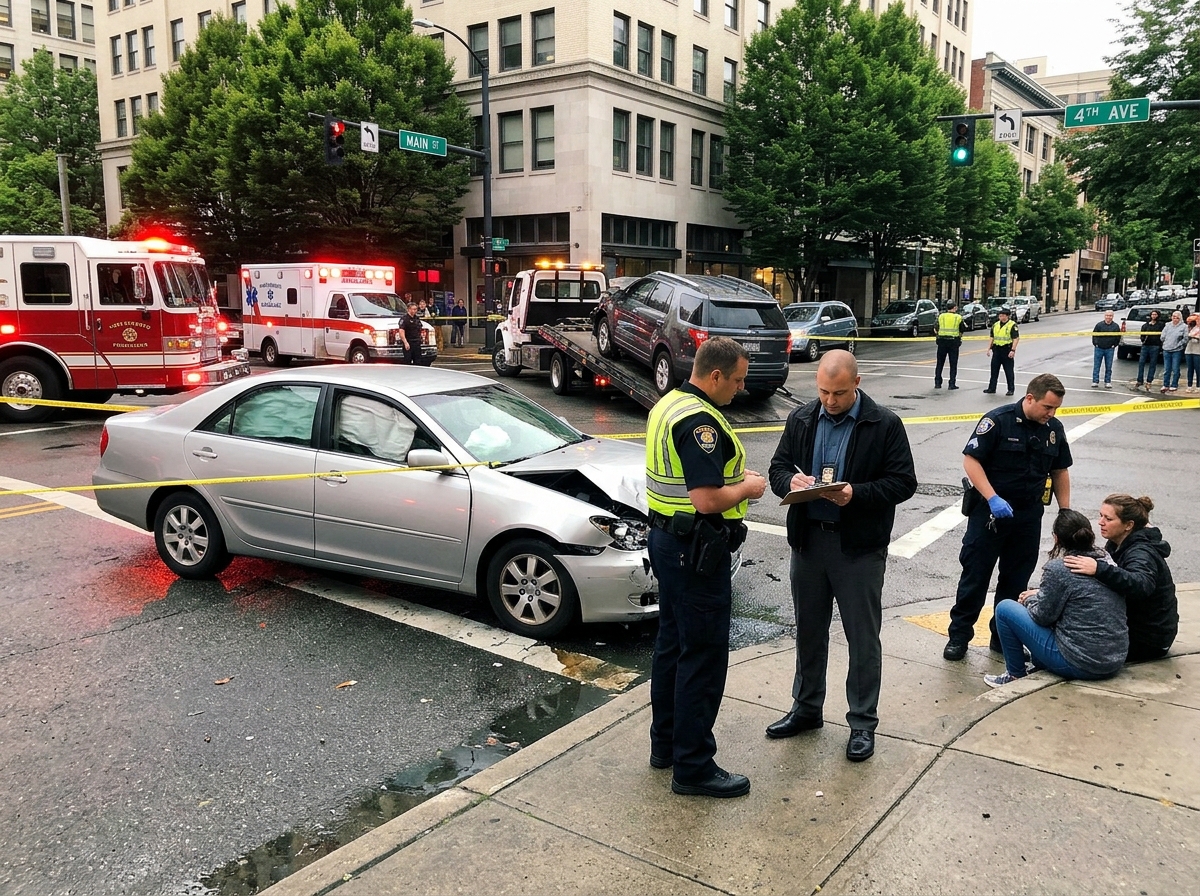
Car accidents are among the most frequent sources of wrongful death claims. Common allegations include speeding, distracted driving, failure to yield, tailgating, improper lane changes, running red lights, and driving too fast for weather or traffic conditions. Evidence may include the crash report, vehicle damage, surveillance footage, phone records, and witness statements. The National Highway Traffic Safety Administration’s Fatality Analysis Reporting System is a nationwide census that provides annual data on fatal injuries resulting from motor vehicle traffic crashes.
2. Commercial Truck Accidents
Crashes involving tractor-trailers, delivery vehicles, and other commercial vehicles can be especially devastating because of their size and weight. Potential issues may include driver fatigue, inadequate training, improper loading, missed maintenance, unsafe scheduling practices, or violations of trucking regulations. A case may involve the driver, carrier, vehicle owner, maintenance provider, cargo company, or another responsible party.
3. Pedestrian And Bicycle Accidents
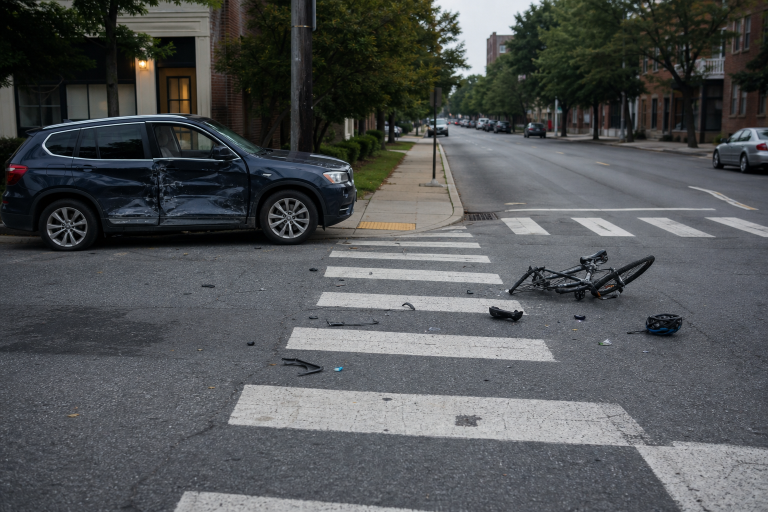
Pedestrians and cyclists have little protection when struck by a vehicle. These incidents may arise at intersections, crosswalks, parking lots, neighborhood streets, and high-speed roads. Drivers who fail to look for people crossing the road, turn without checking blind spots, ignore traffic signals, or drive while distracted can create life-threatening risks.
4. Drunk Or Impaired Driving
Alcohol, illegal drugs, prescription medications, and fatigue can impair judgment, reaction time, coordination, and vision. An impaired driver may cause a fatal crash by drifting from a lane, traveling the wrong way, failing to stop, or making unsafe decisions in traffic. Depending on the facts, families may need to examine whether another party improperly provided alcohol to an obviously intoxicated person.
5. Medical Negligence
Medical malpractice may be considered when a patient dies because a healthcare provider failed to meet the applicable standard of care. Examples can include delayed diagnosis, surgical mistakes, medication errors, birth injuries, anesthesia errors, failure to monitor a patient, or inadequate treatment of a serious condition. These cases typically require a detailed review of medical records and qualified medical opinions.
6. Workplace Accidents
Fatal workplace incidents can involve falls, machinery, electrocution, toxic exposure, fires, explosions, vehicle incidents, or unsafe construction conditions. Workers’ compensation issues may apply, but a wrongful death claim may also be possible against a negligent third party, such as an equipment manufacturer, contractor, property owner, or driver. OSHA notes that incident investigations should identify hazards and weaknesses in safety programs, rather than simply assuming an employee’s carelessness was the sole cause. See OSHA’s guidance on incident investigation for general workplace safety information.
7. Dangerous Property Conditions
Property owners and occupiers may create danger when they fail to address known or reasonably discoverable hazards. Fatal premises liability cases can involve unsafe stairways, poor lighting, falling objects, inadequate pool barriers, building code problems, dangerous parking areas, or uncorrected hazards at stores, apartments, hotels, and private homes.
8. Defective Products
A dangerous or defective product can cause fatal injuries even when used as intended. Examples include defective vehicle components, unsafe machinery, faulty medical devices, defective consumer goods, dangerous children’s products, and products lacking adequate instructions or warnings. Preserving the product, packaging, manuals, receipts, and photographs may be crucial before anything is repaired, discarded, or altered.
9. Nursing Home Neglect Or Abuse
Older adults and medically vulnerable residents depend on facilities and caregivers for supervision, nutrition, medication, hygiene, mobility assistance, and medical attention. Wrongful death allegations may involve falls, untreated infections, dehydration, medication mistakes, pressure injuries, abuse, wandering, or delayed emergency care. Care plans, staffing records, incident reports, and medical charts may help clarify what occurred.
10. Criminal Acts And Inadequate Security
A criminal case and a civil wrongful death claim are separate matters. A property owner, business, landlord, or event operator may face civil liability if foreseeable security risks are not reasonably addressed. Claims may arise after assaults, shootings, robberies, or other violent acts where poor lighting, broken locks, missing security measures, or inadequate response procedures may have contributed to the danger.
Steps Families Can Take After A Fatal Incident
Families do not need to solve every issue immediately, but a few practical actions can protect important information. Keep copies of death certificates, medical bills, funeral expenses, insurance correspondence, police reports, photographs, and witness contact information. Avoid repairing or disposing of damaged vehicles, equipment, clothing, medication containers, or other physical items that could help explain the event.
It is also wise to write down questions, identify the agency handling any investigation, and keep a dated log of calls, documents, and expenses. Avoid signing releases or accepting a settlement before understanding how it could affect the estate and surviving family members. Georgia wrongful death matters can involve strict deadlines and complicated questions about who has the authority to bring a claim, so individualized legal guidance may be important.
Conclusion
Wrongful death cases in Georgia can arise from traffic collisions, medical mistakes, unsafe workplaces, dangerous property, defective products, neglect, and other preventable events. A thorough investigation helps families move beyond incomplete explanations, preserve evidence, and make informed decisions during an exceptionally difficult time.