
How to Save Your Neck with a Compact Pillow
You know that stiff, sore feeling when you wake up after a night under the stars or on a lumpy hotel mattress? Your neck is cranky, your shoulders are tight, and the first hour of your day is a slow-motion grimace. That nagging pain doesn’t come from the rough ground—it comes from poor support. For years, travelers and outdoor enthusiasts have accepted neck pain as part of the deal, but it doesn’t have to be. The solution is a compact camping pillow designed to cradle your cervical spine without taking up half your backpack. This isn’t about luxury; it’s about biomechanics. When your head rests at a neutral angle, your muscles relax, your airways stay open, and you wake up ready to hike, drive, or explore. In this guide, you’ll learn exactly how to choose, pack, and use a compact pillow that protects your neck, saves space, and transforms your sleep quality—no matter where you lay your head.
What Makes a Compact Camping Pillow Different From a Regular Pillow?
Size and Portability Fundamentals
A compact camping pillow is engineered to compress into a fraction of its sleeping size. Unlike a standard bed pillow that measures 20 by 26 inches, a quality compact version typically packs down to the size of a grapefruit or a small water bottle. This portability is achieved through fill materials like shredded memory foam, synthetic microfibers, or inflatable chambers that release air. When you’re backpacking, car camping, or traveling with only a carry-on, every cubic inch matters. A compact pillow allows you to prioritize neck support without sacrificing space for essentials like food, clothing, or gear.
Support Mechanics: Why Your Neck Needs Different Help
Your cervical spine has a natural forward curve called lordosis. A regular pillow often forces your head into an unnatural angle because it is too thick or too soft. A well-designed compact camping pillow provides contoured support that maintains this curve, whether you sleep on your back, side, or stomach. Many models use a “cradle” shape with a raised edge and a recessed center to keep your head aligned with your spine. This distinction is critical: a standard pillow may feel fluffy at home but collapses under the weight of your head on an uneven campsite floor, causing your neck to twist.
Material Choices That Affect Comfort and Durability
Compact pillows generally fall into two camps: inflatable and compressible. Inflatable pillows offer extreme packability and adjustability—you control firmness by adding or releasing air. Compressible pillows use foam or fiber fill that you stuff into a sack, providing a more familiar “pillow feel” but requiring more space. Hybrid options combine a thin inflatable core with a microfiber cover for the best of both worlds. When selecting a material, consider the climate: foam can feel stiff in cold weather, while inflatable models might conduct temperature from the ground. Choose a pillow with a soft, removable cover made from brushed polyester or cotton for breathability and easy cleaning.
How Does a Compact Camping Pillow Actually Prevent Neck Pain?
Maintaining Spinal Alignment on Uneven Surfaces
Sleeping on the ground or on a thin sleeping pad removes the consistent support of a mattress. Without a proper pillow, your head drops into extension (backward tilt) or flexion (chin to chest), straining the facet joints and ligaments of your neck. A compact pillow fills the gap between your head and the sleeping surface, keeping your ears aligned with your shoulders. When your spine is neutral, the muscles in your neck and upper back can fully relax, reducing the risk of waking up with a stiff or painful neck. This alignment matters most for side sleepers, who need extra loft to fill the space between the ear and the outside shoulder.
Reducing Pressure Points and Morning Stiffness
Cheap or inadequate pillows create pressure points at the base of the skull and the trapezius muscles. Over a few hours, these pressure points restrict blood flow and trigger muscle spasms. A quality compact pillow distributes your head’s weight evenly across a supportive surface. Memory foam options conform to your unique shape, while inflatable pillows allow you to dial in the perfect firmness. The result is fewer micro-awakenings during the night and a noticeable reduction in morning stiffness. If you frequently wake with a headache or a crick in your neck, your pillow is likely the culprit.
Encouraging Better Sleep Posture Over Time
Using a compact camping pillow consistently trains your body to maintain better sleep posture, even when you return to a standard bed. Your cervical spine becomes accustomed to neutral alignment, reducing the likelihood of chronic issues. Many outdoor enthusiasts report that after switching to a supportive compact pillow, they no longer need a thick, bulky pillow at home. This habit pays dividends for anyone who spends long hours at a desk or looking at screens, as poor daytime posture compounds nighttime misalignment.
Which Types of Compact Camping Pillows Are Best for Neck Support?
Inflatable Pillows: Adjustable Firmness and Maximum Packability
Inflatable pillows are the most space-efficient option, often weighing under three ounces and packing to the size of a deck of cards. They allow you to control loft by inflating them more or less, which is ideal for dialing in neck support. Look for models with a micro-adjustment valve and a textured surface that prevents your head from sliding off during the night. Some inflatable pillows also feature a curved shape or a built-in pillowcase for added comfort. The downside is that they can be noisy and may feel less cozy than plush alternatives, but modern materials have largely solved the crinkle problem.
Compressible Foam Pillows: Familiar Comfort and Quiet Support
Compressible pillows use shredded memory foam or synthetic fill that you stuff into an integrated compression sack. They offer the closest feel to your pillow at home, with softness and quiet movement. These pillows provide excellent contouring and temperature regulation, particularly those with ventilated foam. However, they are bulkier and heavier than inflatable options, making them better suited for car camping or road trips than ultralight backpacking. For neck support, choose a compressible pillow with adjustable fill so you can remove or add foam to customize loft.
Hybrid Designs: Combining the Best of Both Worlds
A hybrid pillow typically pairs a thin inflatable core with a layer of microfiber or foam on top. The inflatable core provides structure and adjustability, while the soft layer adds comfort and insulation from the air bladder. Hybrids are increasingly popular because they offer the packability of an inflatable with the tactile softness of a compressible pillow. They are excellent for side sleepers who need firm support with a soft touch. When shopping for a hybrid, ensure the fill layer is removable for washing and that the inflation valve is reliable and leakproof.
Creating an ergonomic and relaxing environment goes beyond just supporting your posture. When you are unwinding in your space, subtle aesthetic choices can drastically improve your overall comfort. For instance, finding the right window treatments can transform your relaxation zone—you can explore more inspiration with these great living room blind ideas to complete your ultimate cozy setup. Pair that tranquil atmosphere with a supportive compact pillow, and you have the ideal recipe for tension-free relaxation.
When Should You Use a Compact Camping Pillow vs. a Regular Pillow?
Backpacking and Ultralight Adventures
If you’re carrying everything on your back, weight and volume are your primary constraints. A compact camping pillow is non-negotiable for neck health when you’re sleeping on a thin pad. Using a regular pillow would consume half your pack space and add unnecessary weight. Opt for an inflatable or hybrid model that weighs under four ounces and packs to fist size. Your neck will thank you after a multi-day trek when rest is crucial for recovery.
Car Camping and Extended Road Trips
When space isn’t as tight, you have more freedom. A compressible foam pillow offers the comfort of home without the bulk of a full-size option. It’s ideal for car camping where you can store it in a duffel or tote. For road trips where you might sleep in the car or a tent, a compact pillow that doubles as a lumbar support during driving is a smart multipurpose tool.
Travel and Hostel Stays
Hostel pillows are notorious for being flat, lumpy, or excessively perfumed. Carrying your own compact camping pillow ensures consistent neck support no matter the bedding quality. It also serves as a hygiene barrier between your face and questionable pillowcases. A compressible pillow with a removable, washable cover is perfect for travel because it adapts to different bed types and sleeping surfaces.
How to Choose the Right Loft and Firmness for Your Sleeping Position
Back Sleepers: Moderate Loft for Neutral Spine
If you sleep on your back, your pillow should support the natural curve of your neck without tilting your head forward. Aim for a loft of about three to four inches when compressed under your head. A medium-firm pillow works best, as a pillow that is too soft allows your head to sink into extension. Look for a contoured design with a slight depression for your head and a raised ridge for your neck.
Side Sleepers: Higher Loft to Fill the Gap
Side sleepers need the most loft—typically five to six inches—to keep the spine straight from the neck through the hips. A pillow that is too low forces the head to tilt downward toward the mattress, straining the upper shoulder and neck. A firm, thick compressible pillow or an inflatable with high air volume is best. Many side sleepers prefer pillows with a “gusset” or reinforced edge that maintains loft under pressure.
Stomach Sleepers: Minimal Loft to Avoid Hyperextension
Stomach sleeping is the most challenging position for neck health because it requires the least support. Your head should barely lift off the mattress, with a loft of just one to two inches. A thin inflatable pillow with very little air or a flat compressible pillow works best. If you tend to twist your head to the side while stomach sleeping, consider a contoured pillow that supports your face without propping your head up.
Can a Compact Camping Pillow Replace Your Bedroom Pillow?
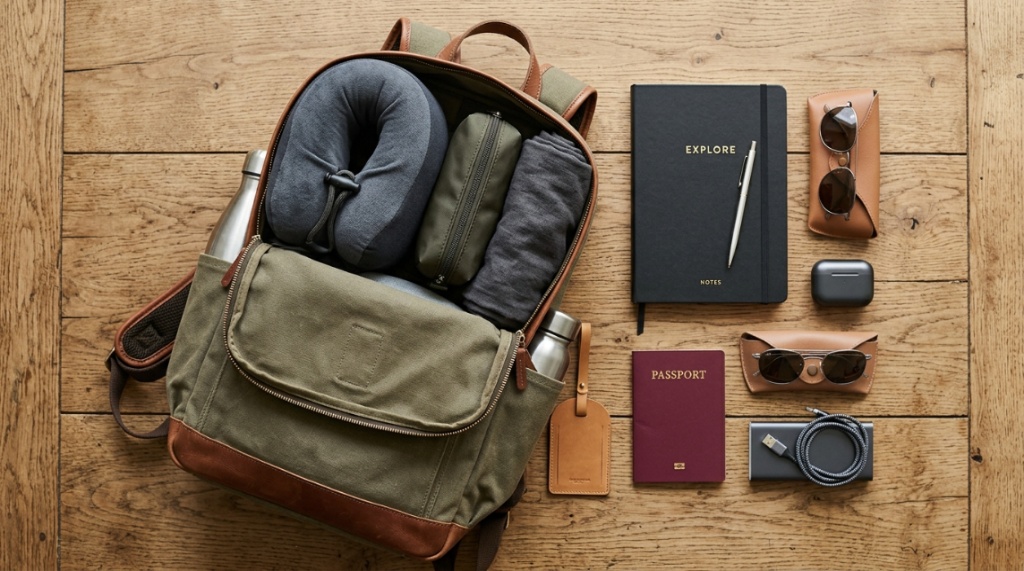
Benefits of Using a Compact Pillow at Home
Switching to a compact camping pillow at home can reduce clutter and encourage better sleep habits. Many people find that a smaller, firmer pillow prevents the tendency to stack multiple pillows, which misaligns the neck. Travelers who use a compact pillow regularly become accustomed to its support and may find standard hotel pillows too thick or too soft. Using the same pillow everywhere also improves sleep consistency, which helps with jet lag and unfamiliar environments.
Limitations for Long-Term Daily Use
While compact pillows are excellent for travel and camping, they may not offer the same longevity as a full-size pillow. The fill materials in compressible pillows can break down faster with daily use, and inflatable pillows are at risk of developing leaks over time. If you intend to use a compact pillow as your primary bedroom pillow, choose a high-end compressible model with replaceable fill and a durable outer fabric. Monitor the pillow for signs of flattening and replace it every six to twelve months.
How to Care for Your Compact Camping Pillow to Extend Its Lifespan
Cleaning and Storage Best Practices
Always remove and wash the cover according to the manufacturer’s instructions, typically in cold water on a gentle cycle. The inner fill should be spot cleaned only unless the pillow is fully machine-washable. Store your compact pillow uncompressed in a cool, dry place when not in use to prevent the fill from becoming compacted. For inflatable pillows, store them partially inflated to maintain the bladder’s flexibility and prevent creases that can lead to leaks.
Repairing Minor Leaks and Flattening
Inflatable pillows can develop pinhole leaks over time. Keep a patch kit designed for outdoor gear in your pack. Apply a small amount of seam sealer or a dedicated patch to the leak area and let it cure for 24 hours. For compressible pillows that lose their loft, try airing them out in the sun for a few hours to restore some fluffiness. If the fill has permanently compacted, many brands sell replacement fill inserts that allow you to refresh the pillow rather than replace it entirely.
Which Compact Camping Pillow Materials Are Best for Allergies and Hygiene?
Hypoallergenic Fill Options
Memory foam and synthetic fiber fills are naturally resistant to dust mites and mold, making them a good choice for allergy sufferers. Look for pillows labeled CertiPUR-US or OEKO-TEX certified to ensure low chemical emissions. Inflatable pillows are inherently hypoallergenic because there is no material for allergens to cling to, but the valve can collect dust if not cleaned. A removable, washable cover adds an extra layer of protection against allergens.
Antimicrobial Covers and Water-Resistant Barriers
Some compact camping pillows feature antimicrobial treatments that inhibit bacterial growth, which is especially useful in humid or sweaty conditions. A water-resistant outer layer or an integrated pillowcase can protect the fill from moisture and stains. If you camp in wet environments, consider a pillow with a hydrophobic coating on the cover. Always allow your pillow to dry completely after exposure to rain or condensation to prevent mildew.
Frequently Asked Questions
Can a compact camping pillow help with snoring?
Yes, by maintaining proper neck alignment, a compact pillow can help keep your airway open, reducing snoring caused by a tilted head or compressed throat. Side sleepers benefit most because a supportive pillow prevents the chin from dropping toward the chest.
How do I clean a compressible camping pillow?
Remove the outer cover and wash it in cold water on a gentle cycle, then air dry or tumble dry on low. Spot clean the inner fill with mild soap and water, and allow it to dry completely before reassembling. Do not machine wash shredded memory foam unless the manufacturer explicitly allows it.
What is the ideal weight for a compact camping pillow?
For backpacking, aim for under four ounces. For car camping or travel, weight is less critical, but a pillow weighing eight to twelve ounces still qualifies as compact. The key is balancing weight with the comfort and support you need for your sleeping position.
Is an inflatable or compressible pillow better for side sleepers?
Side sleepers generally prefer compressible pillows with a gusseted edge because they provide consistent loft without the risk of deflating during the night. However, a high-quality inflatable with a textured surface and adjustable firmness can also work well.
Can I use a compact camping pillow if I have a neck injury?
Consult your healthcare provider first, but many people with neck injuries find that a contoured memory foam pillow offers the firm, consistent support needed to prevent pain. Inflatable pillows allow precise adjustment, which can help you find a comfortable position.
How long does a compact camping pillow typically last?
With proper care, a high-quality compressible pillow lasts six to twelve months with regular use. Inflatable pillows can last several years if stored properly and repaired promptly when leaks occur. Replace any pillow that no longer provides adequate support.
Do compact camping pillows fit in standard pillowcases?
Many compact pillows are designed to fit standard-sized pillowcases, but some ultralight models are smaller. Check the dimensions before purchasing if you plan to use a regular pillowcase. Most manufacturers include a dedicated stuff sack or integrated compression system.