Why Clean-Burning Candles Matter for Your Health & Home Ambience
Key Takeaways
- Traditional candles can release indoor air pollutants that negatively impact health.
- Clean-burning candles, made from natural waxes, produce less soot and fewer chemicals.
- Natural fragrances found in clean-burning candles enhance ambience and reduce allergy risks.
- Choosing sustainable candles supports environmental well-being and personal wellness.
- Simple steps can make candle use safer and healthier at home.
Understanding the Impact of Traditional Candles on Indoor Air Quality
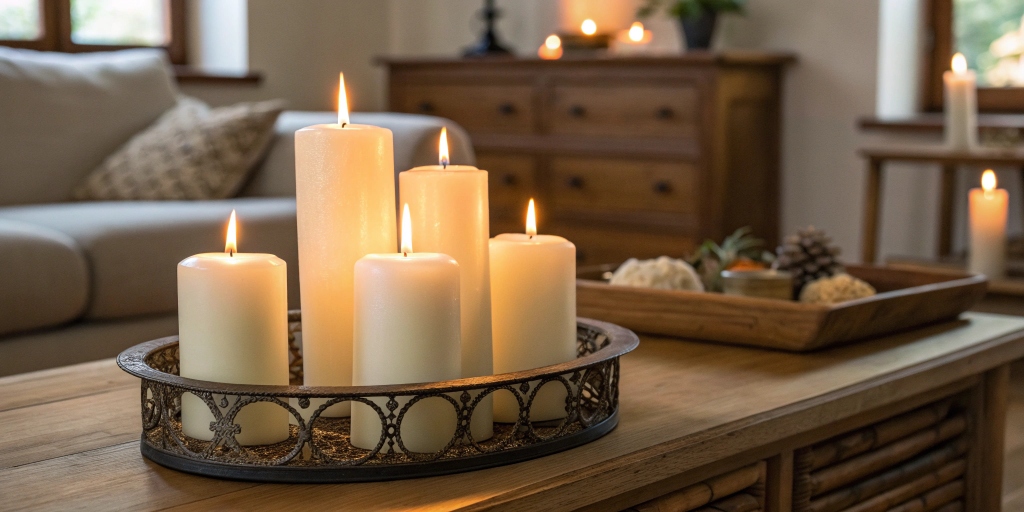
Lighting a candle can transform a room, offering warmth and relaxation. However, many people overlook the effect a simple candle can have on the air they breathe. Traditional candles, particularly those made from paraffin wax, are known to emit substances like benzene and toluene when burned. These compounds, recognized by agencies like the Environmental Protection Agency, are associated with indoor air pollution. Regular exposure can potentially irritate the respiratory system, aggravate asthma or allergies, and even contribute to more significant health concerns over time.
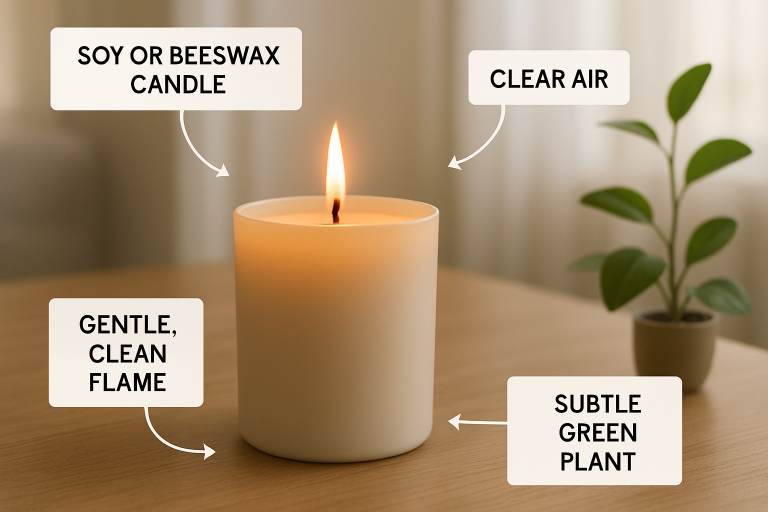
For households that love the comforting glow of candles, making a simple but informed switch can make a meaningful difference. Selecting candles crafted from safer waxes (such as soy, beeswax, or coconut) helps reduce adverse health impacts while offering a pleasant, cozy effect. Companies like Inluro specialize in clean-burning, natural candles designed to enhance your environment without compromising your well-being. These natural alternatives burn more cleanly, producing minimal soot and fewer harmful emissions. Many also incorporate essential oils or natural fragrances, providing gentle aromatherapy benefits alongside their light. By choosing these safer options, you can enjoy the ambiance of candlelight while protecting your household’s health.
The Health Benefits of Clean-Burning Candles
Clean-burning candles are gaining popularity for good reason. They are made from plant-based or natural materials that minimize the release of harmful chemicals and particulate matter. Common clean-burning options include soy-, beeswax-, or coconut-wax candles. Unlike paraffin, these alternatives do not produce high levels of soot or volatile organic compounds (VOCs), which can otherwise linger in the air and settle on surfaces, creating both breathing and cleaning concerns. According to Consumer Reports, making this switch can lead to noticeable improvements in your indoor air quality.
Families and individuals dealing with allergies might also find their symptoms easing when they choose candles without heavy soot or synthetic scents. Long-term exposure to candle smoke, particularly in poorly ventilated spaces, increases the risk for headaches, sinus irritation, and respiratory discomfort. Clean-burning candles offer a healthier, more mindful alternative while still allowing you to enjoy the ambient benefits of candlelight.
Enhancing Home Ambience with Natural Fragrances
The aromas produced by candles do more than simply mask odors. They shape the entire atmosphere of your home. Clean-burning candles typically use essential oils instead of synthetic fragrance blends. These natural oils open the door to a variety of mood-boosting, calming, or invigorating effects, depending on your chosen blend. Essential oil-based fragrances are less likely to trigger allergies compared to synthetic options, making them a considerate choice for both family and guests. As noted by The New Daily, prioritizing natural scents can create a more tranquil and restorative environment.
For those seeking a personalized ambiance, many candle makers offer unique blends of lavender, eucalyptus, peppermint, or citrus oils. This range lets you customize each room’s fragrance based on your mood or the season, without the risks associated with artificial scents.
Environmental Advantages of Choosing Clean-Burning Candles
A crucial benefit of clean-burning candles extends beyond personal health. The use of renewable materials, such as soy and beeswax, makes these candles a more sustainable choice compared to those made with petroleum-based paraffin. Both soy and beeswax are biodegradable, and their production has a lower environmental impact. By supporting eco-friendly brands and choosing candles with recyclable packaging, you help promote responsible, green practices. Selecting candles with certifications for sustainable sourcing can further reduce your carbon footprint, underscoring a holistic approach to health and environmental stewardship.
Tips for Selecting and Using Clean-Burning Candles
- Check the Ingredients: Look for candles made from 100 percent natural waxes without additives or fillers. Simple ingredient lists suggest a purer candle with fewer hidden chemicals.
- Choose Lead-Free Wicks: Always select candles with cotton, paper, or wooden wicks. These options ensure you avoid unnecessary exposure to heavy metals, which can be found in some imported or low-quality candles.
- Opt for Essential Oil Fragrances: Candles fragranced with pure essential oils offer the scents you crave without the allergenic or irritating side effects of synthetic perfume blends.
- Maintain Proper Ventilation: Even clean-burning candles should be enjoyed in well-ventilated spaces. Good airflow disperses any minimal emissions, keeping your indoor air as fresh as possible.
Final Thoughts
Clean-burning candles represent a valuable upgrade, allowing you to enjoy the comforting glow and fragrance of candlelight with peace of mind. By prioritizing candles made from natural materials and essential oils, you create a safer, more inviting home and reduce your environmental impact. Small choices, like the type of candle you light, can have significant effects on your health and well-being.