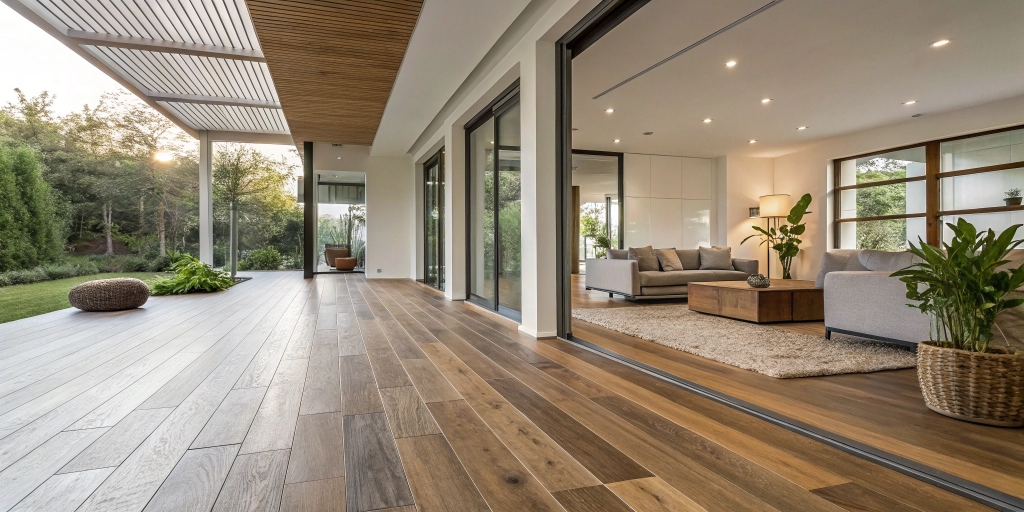
Sustainable Flooring Solutions for Modern Homes
Sustainability has become a critical consideration for today’s homeowners. As more people seek eco-friendly choices for their living environments, sustainable flooring options have seen a tremendous rise in demand. Choosing flooring that is both earth-conscious and stylish not only elevates home aesthetics but also supports broader environmental goals. For those seeking guidance and installation expertise, Knots Flooring provides ample resources and quality service for eco-friendly flooring choices.
Opting for the right sustainable flooring involves careful thought about renewable resources, indoor air quality, longevity, and end-of-life disposal. Making an informed decision ensures the materials beneath your feet enhance comfort and beauty without causing unnecessary harm to the environment. Whether renovating a single room or designing a new home from scratch, the right selection can contribute meaningfully to a greener lifestyle.
Bamboo Flooring
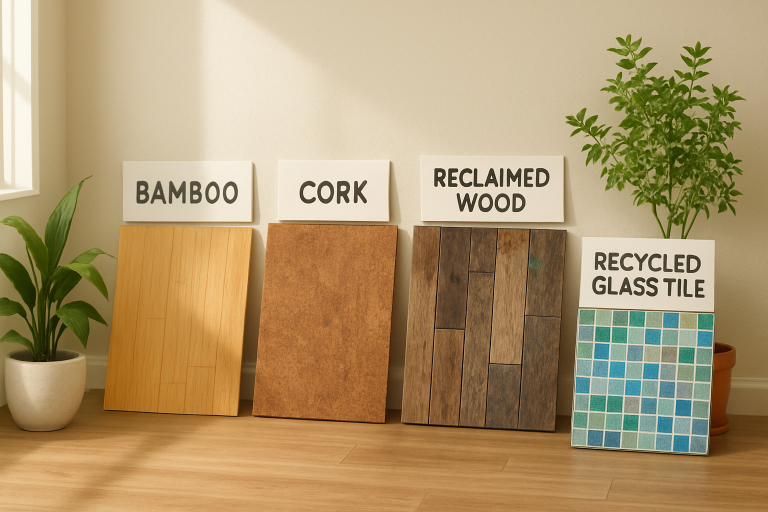
Bamboo offers a distinct combination of ecological responsibility and appealing design. As a grass that reaches maturity in approximately three to five years, bamboo ranks among the fastest renewable resources. Strand-woven bamboo products demonstrate exceptional strength and abrasion resistance, making them an appropriate choice for busy households or commercial settings. Thanks to its modern appearance and versatile color options, bamboo seamlessly blends with both contemporary and traditional décor themes.
When shopping for bamboo, verify that the product comes from certified, well-managed plantations, ensuring production processes minimize waste and pollution. Carefully consider the type of bamboo, as cheaper options may use formaldehyde-based adhesives that can affect indoor air quality.
Cork Flooring
Cork stands out for its unique harvesting method and comfort. Obtained from the bark of cork oak trees, the material is gathered without felling the tree, which continues to thrive and regenerate. This renewable process naturally aligns with green building practices. Cork’s spongy, resilient surface makes it gentle on joints while its sound-dampening, anti-microbial, and hypoallergenic properties make it ideal for spaces like nurseries, bedrooms, or playrooms.
Beyond comfort, cork is naturally insulating and energy-efficient. However, it should be kept dry since excess moisture can damage the material over time. Finishes with low VOC (volatile organic compounds) content further boost the material’s eco-friendly profile.
Reclaimed Wood
Reclaimed wood offers significant benefits for sustainability and character. By sourcing timber from dismantled barns, factories, or warehouses, you help preserve forests and lower demand for new lumber. Reclaimed wood typically features rich natural patina, historical details, and singular imperfections from its former life, giving rooms a unique story and visual texture.
While sourcing reclaimed planks, ensure the wood has been properly treated to remove nails and old finishes, preventing issues during installation and use.
Recycled Glass Tiles
Recycled glass tiles provide a striking option for sustainable flooring and wall applications. These tiles originate from post-consumer bottles and glass, keeping recyclable waste from overburdening landfills. Their translucent, light-reflective surface adds a sense of spaciousness and style to kitchens, bathrooms, and laundry areas.
Available in a range of colors, shapes, and finishes, recycled glass tiles perform well in damp environments thanks to their water resistance and durability. Careful installation and proper sealing further maximize their longevity and eco-benefits.
Linoleum
Linoleum should not be mistaken for vinyl. It is a classic, all-natural flooring material made from linseed oil, pine resins, wood flour, and jute. Long used in commercial and residential applications, linoleum is biodegradable and highly durable, often lasting decades with minimal maintenance.
Available in a spectrum of hues and patterns, linoleum remains a design favorite for eco-friendly households. Its smooth surface is easy to clean and naturally inhibits bacterial growth, making it a practical choice for kitchens, entryways, and family living spaces.
Eco-Friendly Adhesives and Finishes
Traditional adhesives and finishes can emit harmful chemicals into the home environment. For sustainability-minded flooring installations, non-toxic, low-VOC adhesives and finishes are the healthiest options. These products help ensure superior indoor air quality while reducing adverse health impacts on installers and residents.
Modular Flooring Systems
Modular flooring systems, including click-together tiles and planks, have gained traction for their sustainability and practicality. These systems facilitate easy installation and replacement, minimizing waste during renovation or upgrade projects. When individual tiles are damaged, you can replace them without discarding the entire floor, which greatly reduces landfill contributions.
Many modular products are made of recycled or recyclable materials, keeping sustainability at the core. Their versatility suits both residential and commercial applications.
Certifications to Look For
With increasing demand for eco-friendly flooring, greenwashing can be a concern. Reliable third-party certifications help buyers distinguish genuinely sustainable products from those with questionable claims. The most widely recognized certifications include:
- FSC (Forest Stewardship Council): Guarantees wood comes from responsibly managed forests that provide environmental, social, and economic benefits.
- GreenGuard Certification: Signifies low chemical emissions, supporting healthier indoor air quality.
- FloorScore Certification: Certifies compliance with stringent indoor air quality standards, providing homeowners with confidence in the safety of the flooring materials.
Final Thoughts
Checking for these certifications during your selection process helps secure materials that align with your sustainability goals.
By embracing sustainable flooring solutions and best practices, homeowners create beautiful, functional spaces with minimal environmental impact. Prioritizing materials that are renewably sourced, recycled, or reusable, and ensuring safe installation techniques, further supports the transition toward greener living. Ultimately, these choices contribute to both healthier indoor environments and a healthier planet for generations to come.