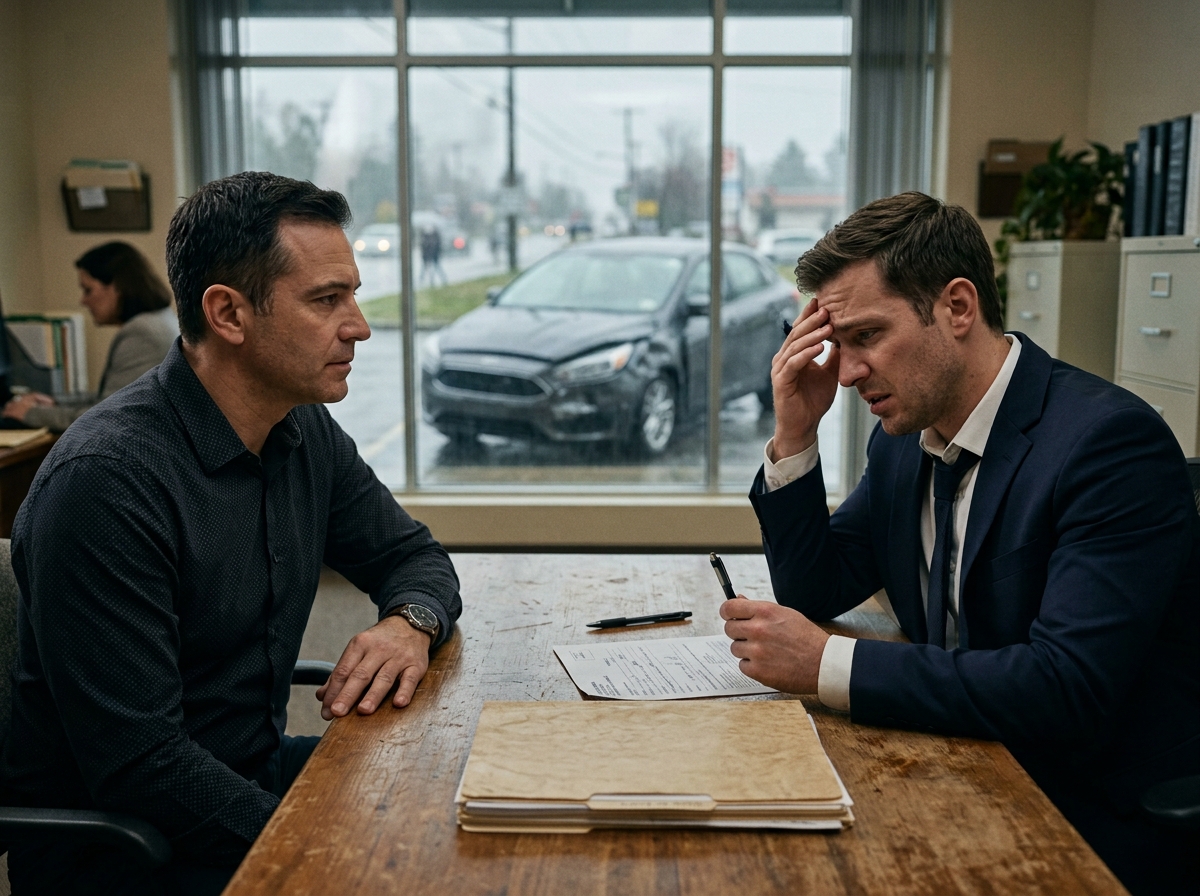
A Practical Guide to Dealing with Pushy Insurance Adjusters After a Car Accident
Insurance calls can get uncomfortable fast when an adjuster wants answers before the injured person has the full picture. Early questions may cover fault, injuries, repairs, work, and settlement while records are still coming together. Knowing what to slow down, save, and review can keep a car accident claim from being shaped by one rushed conversation.
Be Careful What You Say During the First Insurance Call
First calls usually begin with basic facts, but the conversation can move into details about speed, lane position, pain, or what the driver remembers seeing. Short answers may later be compared with police reports, medical notes, photos, and witness statements. Simple phrases such as “I’m fine” can be misunderstood if symptoms appear later.
Guessing can create trouble because an estimate may sound like a firm statement once it appears in an insurance file. Anyone searching for a car accident attorney near me can bring notes from that first call so counsel can see what was asked and answered. Saving the adjuster’s name and claim number makes follow-up easier.
Don’t Let an Adjuster Rush You Into Giving a Recorded Statement
Recorded statements preserve the speaker’s exact words, including uncertain answers and casual comments. Adjusters may ask about distractions, braking, prior injuries, symptoms, or how the collision happened before the driver reviews the available evidence. Memory can also sharpen after photos, reports, and other records are gathered.
Pressure to give a statement immediately does not make guessing safer. Legal review from an auto accident lawyer near me can clarify who wants the recording, what the policy may require, and whether preparation is needed before answering questions about the auto accident. Careful preparation helps separate known facts from estimates or assumptions.
Keep Your Medical Records and Repair Estimates Organized
Medical paperwork can show how injuries developed from the first exam through later appointments. Emergency notes, imaging, therapy records, prescriptions, specialist visits, and work restrictions give a clearer picture than a quick description made over the phone. Treatment dates can also explain why symptoms or restrictions changed over time.
Repair files deserve the same attention because initial estimates can change after a shop removes damaged panels or tests sensors. Keeping supplements, rental invoices, towing bills, photos, and receipts together makes it harder for important car accident losses to disappear in a stack of unrelated paperwork.
Know When an Adjuster Is Downplaying Your Injuries or Damages
Low vehicle damage does not automatically mean the person inside escaped injury. Neck pain, back strain, headaches, joint problems, and other symptoms can become more noticeable after the first hours, while modern vehicle repairs may also cost more than exterior damage suggests. Clinical findings matter more than assumptions based on a bumper photo.
Comments that treatment seems excessive or repairs look minor should be checked against records. Accident attorneys near me can compare medical findings, wage loss, repair documents, and crash evidence instead of letting an adjuster’s early opinion become the main story of the claim.
Keep a Written Record of Every Adjuster Contact
A call log can prevent confusion when several adjusters, repair shops, medical offices, or insurers are involved. Dates, names, phone numbers, claim numbers, and short notes about each conversation can show what was requested and what information was already provided. Consistent notes also help track promises about inspections, payments, or callbacks.
Emails and letters should be saved rather than treated as routine clutter. Written communication may reveal changing positions on fault, payment, repairs, medical treatment, or settlement, giving an auto accident lawyer a clean timeline to review if the insurer later disputes what happened.
Avoid Signing Releases Before You Understand What They Cover
Settlement releases can close covered claims once they are signed, so the wording deserves more attention than the dollar amount alone. Drivers may still be treating, waiting for a repair supplement, missing work, or dealing with costs that were not known when the first offer arrived.
Fine print can also identify which people, insurers, or claims are being released. Before signing, a car accident attorney can review whether the agreement matches the intended settlement and whether unresolved medical bills, lost income, or other damages have been considered. Reading the whole document can prevent an unexpected problem later.
Consider Talking With a Car Accident Attorney Before Settling
Quick offers can feel useful when bills are piling up, yet timing matters if treatment is unfinished or the full financial loss is still unclear. Future therapy, follow-up care, reduced work hours, repair changes, and insurance reimbursement issues can all affect what the claim is actually worth. Final value makes more sense after the records are collected.
Wolfe Jones can review a Huntsville car accident claim when insurance pressure starts making the process harder to manage. Their accident attorneys can examine adjuster communications, recorded-statement requests, medical records, repair costs, wage losses, and settlement papers, then deal directly with insurers when appropriate. That support gives an injured person a clearer view of the offer before signing away rights or accepting less than the documented losses may support.