What To Check Before Buying A Coastal Second Home In Southampton, NY
Key Takeaways
- Define the home’s purpose and expected use.
- Compare location, accessibility, privacy, and seasonal conditions.
- Budget for insurance, taxes, maintenance, and utilities.
- Check flood, storm, and coastal risks.
- Review inspections, regulations, and rental restrictions.
- Plan for year-round property maintenance.
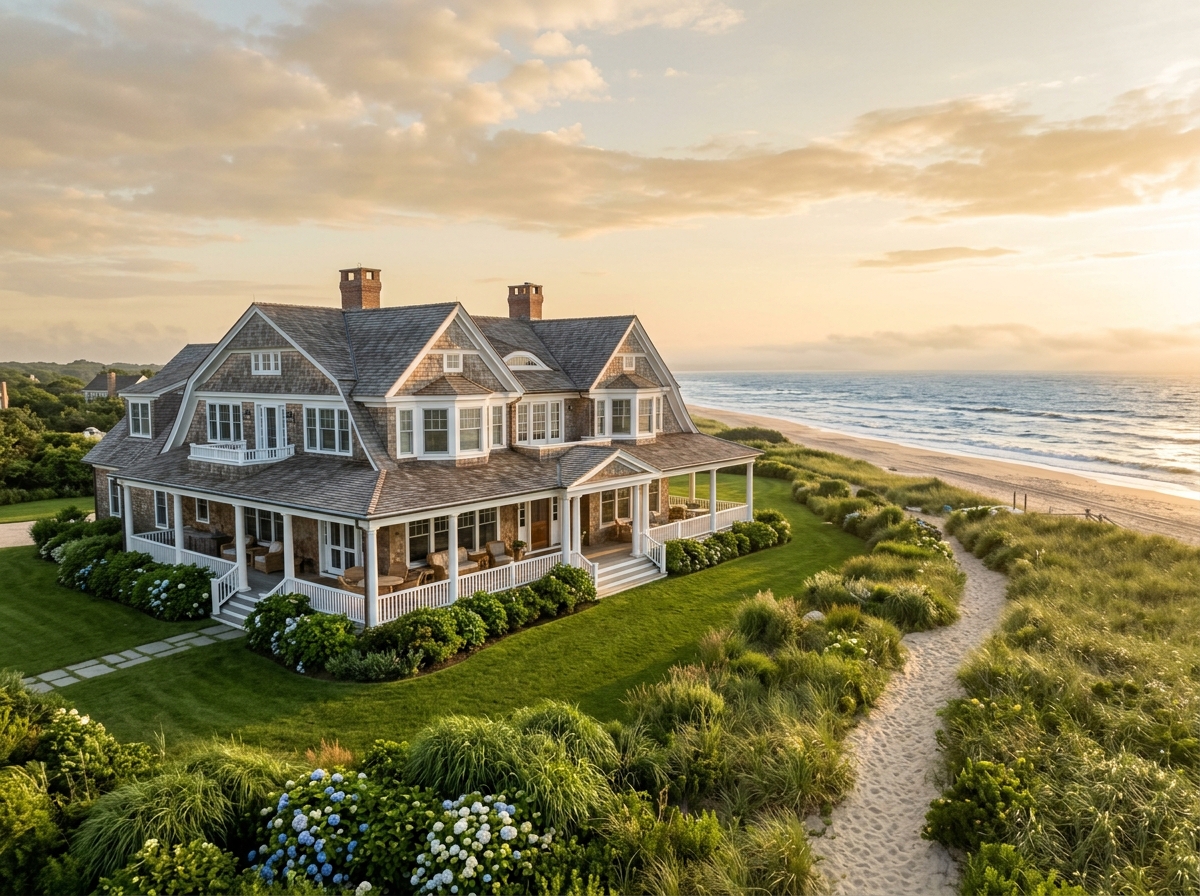
A second home in Southampton can offer beach days, village dining, time on the water, and a more flexible place to gather with family and friends. But a coastal purchase deserves more investigation than a quick tour and a look at the asking price. Buyers comparing Southampton NY homes for sale can use the Breitenbach Advisory Team’s Southampton real estate page to review luxury listings alongside rental and sold-property options. With a focus on Southampton and nearby Hamptons communities such as Water Mill, Bridgehampton, Wainscott, and East Hampton, the team provides useful local market context for buyers weighing different locations and property types.
The view matters, but it does not reveal the complete ownership experience. A careful buyer compares how the house will be used, the character of the surrounding area, the condition of the systems, exposure to coastal conditions, and the cost of keeping the property secure and maintained year-round.
Start With The Role The Home Will Play
Before comparing homes, decide what the property needs to accomplish. A private weekend retreat has different priorities from a future retirement residence or a home intended for seasonal rental.
- Weekend retreat: Convenience, low-maintenance grounds, and easy access may matter most.
- Family gathering place: Bedroom count, outdoor space, storage, and proximity to activities may take priority.
- Future full-time home: Year-round services, healthcare access, heating efficiency, and practical daily layout deserve closer attention.
- Rental potential: Local regulations, occupancy limits, management needs, and wear on the home should be considered before assuming income.
A buyer who visits for only a few weeks each year may prefer a lock-and-leave condominium or a smaller property near Southampton Village. Someone planning extended stays may find that privacy, parking, workspace, and distance from peak-season traffic carry more weight.
Compare The Town And Neighborhood Before The House
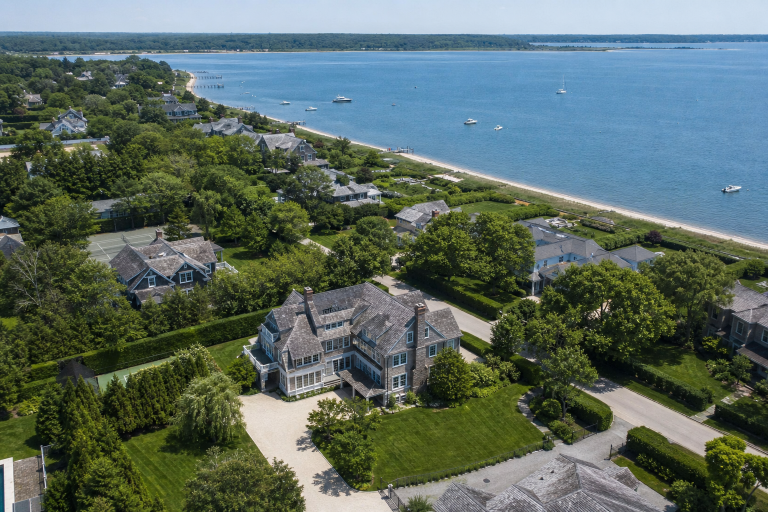
Southampton offers distinct settings, from walkable village streets to oceanfront areas, bayside neighborhoods, and more secluded inland locations. Two homes with similar prices can create very different routines. Visit at more than one time of day, and if possible, during both busy and quieter seasons.
- Measure the drive to beaches, marinas, grocery stores, restaurants, medical care, and train service.
- Notice traffic patterns, road width, street lighting, and parking conditions.
- Ask about noise from seasonal activity, nearby events, construction, or through-traffic.
- Check whether the location feels practical when summer crowds are gone.
- Consider privacy, neighboring lot sizes, and the house’s outlook in every season.
Build A Complete Annual Ownership Budget
The purchase price is only the opening number. Sound second-home planning means estimating the full annual cost before making an offer. The considerations for second-home buyers published by the National Association of REALTORS® also emphasize looking beyond the initial purchase decision.
Include These Recurring Costs
- Mortgage principal and interest, if financed.
- Property taxes and any applicable association charges.
- Homeowners, wind, and flood insurance.
- Utilities, internet, heating, cooling, and generator service.
- Landscaping, pool service, snow removal, and seasonal cleanup.
- Security monitoring, storm preparation, and property management.
- Routine repairs plus a reserve for roof, HVAC, exterior, and appliance replacement.
For example, a home with a lower sale price may still have higher yearly carrying costs if it requires frequent exterior maintenance, specialized insurance, or regular oversight while vacant. Ask for utility history where available, review tax records, and request insurance estimates early enough to affect your decision.
Review Flood, Storm, And Erosion Exposure
Flood-zone status is important, but it is not the entire risk picture. Elevation, drainage, building design, distance from open water, nearby wetlands, road access, and the condition of surrounding shoreline features all influence how a property may perform during severe weather.
Review current mapping, ask about prior water intrusion and storm repairs, and inspect grading around the home. Buyers considering work near dunes, bluffs, or the shoreline should understand that New York’s coastal erosion management permit program can affect certain construction and land-disturbance plans in mapped hazard areas.
Order Inspections Designed For A Coastal Property
A standard general inspection is essential, but it may not answer every question raised by a Southampton second home. Salt air, wind-driven rain, moisture, and long vacancy periods can place additional demands on exterior materials and mechanical systems.
- General home, roof, siding, foundation, and drainage inspections.
- Electrical system and backup power review.
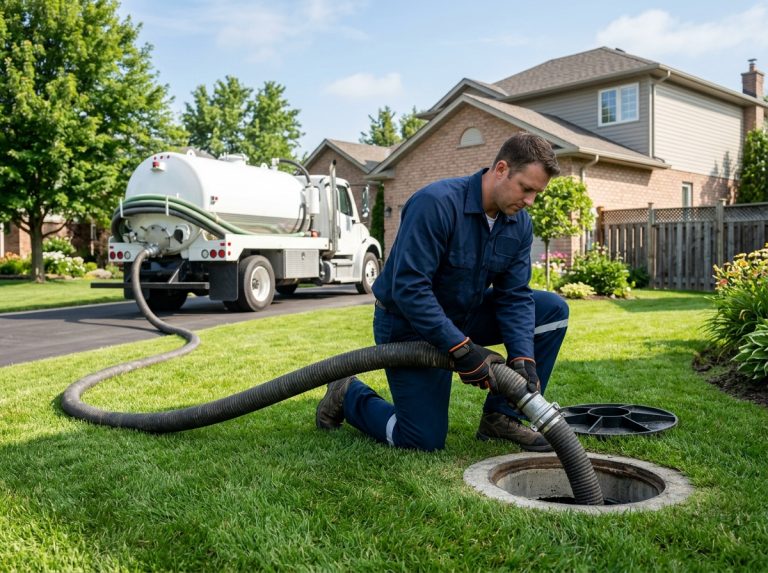
- Septic inspection or well and water-quality testing, where applicable.
- Pool, dock, bulkhead, seawall, and retaining-wall inspections when present.
- Focused review for mold, moisture, corrosion, and HVAC condition.
Tell inspectors that the home will be used as a coastal second residence. Ask them to identify immediate concerns, likely near-term repairs, and systems that need routine monitoring when the house is unoccupied.
Confirm Insurance, Rules, And Future Plans Before Commitment
Insurance should be researched before the contract becomes binding. Compare coverage limits, exclusions, deductibles for wind or named storms, replacement-cost provisions, and whether separate flood coverage is needed. A mortgage approval does not guarantee that the full monthly and annual costs will remain comfortable once insurance and maintenance are included.
Also, verify local rules directly with the appropriate offices. Short-term rentals, occupancy, pools, decks, docks, additions, tree clearing, wetlands, historic districts, private roads, and homeowners’ associations can all affect how you use or improve the property. Never assume a neighboring home has the same rights, approvals, or restrictions.
Create A Maintenance Plan For Time Away
A second home requires care even when nobody is there. Identify a reliable local caretaker or property manager, establish storm-check procedures, and keep current contacts for plumbers, electricians, roofers, HVAC technicians, and security providers. Leak sensors, monitored alarms, remote thermostats, and cameras can help owners respond faster, but they do not replace an in-person check when a problem occurs.
A small plumbing leak can become a major repair when a house sits empty for weeks. Seasonal walkthroughs, winterization when appropriate, and a clear emergency-access plan help reduce that risk.
Balance Lifestyle Appeal With Resale Flexibility
Oceanfront homes may deliver exceptional views and access, but often require more attention to exposure and exterior maintenance. Near-water homes can offer a balance of scenery and convenience. Village properties may support walkability, while inland coastal locations may provide more space and a different level of exposure. Condominium ownership can reduce exterior responsibilities, although association rules, fees, and reserve funding require close review.
Questions To Ask Before Making An Offer
- What will this home cost in a year when personal use is limited?
- Can it be insured on terms that fit the overall budget?
- Which repairs or upgrades are likely within the next five years?
- What restrictions apply to rentals, renovations, and additions?
- Who will monitor the property when the owner is away?
- Does the neighborhood work during both peak and off-season months?
- Would the home still appeal to buyers if your plans change?
Final Checklist
A well-chosen Southampton second home should fit the way you want to live, not simply the way you want to spend a summer weekend. Define the purpose, carefully compare locations, calculate full annual costs, assess coastal exposure, order specialized inspections, confirm applicable regulations, and prepare a local maintenance plan. That work can turn a beautiful coastal address into a more informed long-term decision.