
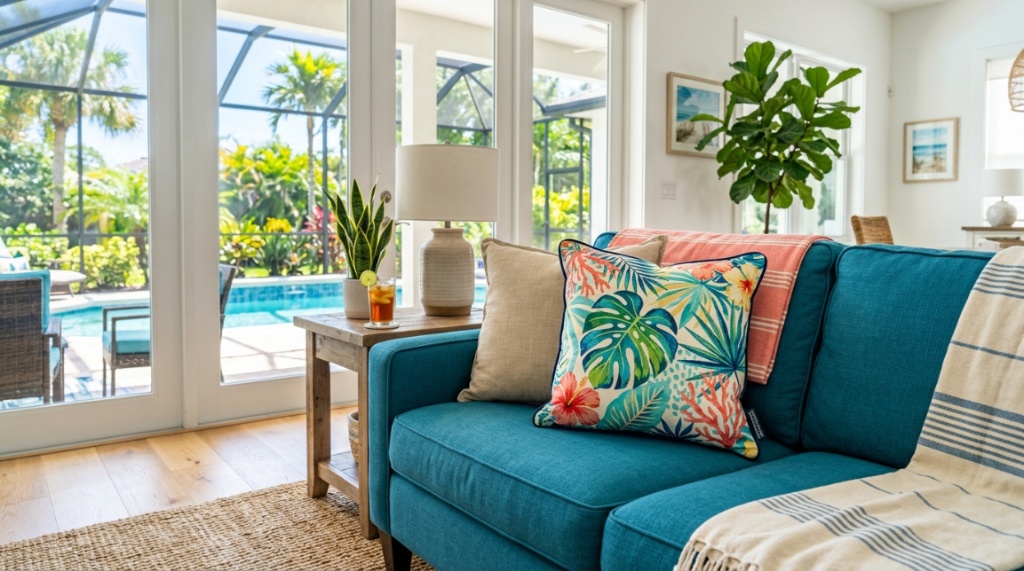
How to Pick Durable Couch Pillows for FL Homes
Picture this: You’ve just found the perfect spot on your couch after a long, humid Florida day. You reach for a pillow to prop up your neck, and instead of plush support, you feel a flat, sad lump. Worse, the fabric feels sticky and smells faintly of mildew. If you live in the Sunshine State, this is a familiar frustration. The intense UV rays, relentless humidity, and year-round AC use are brutal on standard home textiles. Standard pillows fade, lose their shape, and harbor allergens within months. This guide is your survival manual. We’re going to dissect exactly what makes a couch pillow durable in Florida’s unique climate and show you how to choose pieces that look great and last for years, not just one season. You won’t need to compromise style for strength anymore.
Why Do Regular Couch Pillows Fail So Quickly in Florida’s Climate?
The simple answer is that most pillows are designed for temperate climates, not subtropical ones. Florida’s environment attacks textiles on three fronts: moisture, UV radiation, and biological growth. Understanding these factors is your first step toward making a smart purchase. It’s not about buying the most expensive option; it’s about buying the right materials that are engineered to resist these specific threats.
The Triple Threat: Humidity, Sun, and Allergens
Average relative humidity in Florida often exceeds 80% for most of the year. This moisture gets absorbed by cotton and down fillings, causing them to clump and flatten. The sun’s ultraviolet rays break down the chemical bonds in synthetic dyes and fibers, leading to faded, brittle fabric. Furthermore, warm, moist environments are breeding grounds for dust mites and mold spores. These allergens get trapped inside the pillow core and fabric, turning your couch into a health hazard. We dig into the specific failure points below.
The Science of Fiber Degradation in High-UV Environments
UV rays are essentially high-energy radiation that breaks down polymers. In polyesters and olefins, this leads to a loss of tensile strength—the fabric becomes ‘chalky’ and tears easily. Natural fibers like cotton undergo a process called photo-degradation, where the cellulose chains break. This is why a pillow left near a window in Orlando will look two years old after six months. Durable fabrics for Florida must either have UV inhibitors built into the fiber or be solution-dyed, meaning the color is infused into the fiber itself, not just the surface.
What Are the Most Durable Filling Materials for Humid Climates?
If you only remember one rule, let it be this: Polyester fiberfill and natural latex are your best friends; down and solid foam are your enemies. The filling determines the shape retention and breathability. A durable cover means nothing if the guts turn into a mushy mess. Let’s break down the performance of each material specifically in a high-humidity context.
Polyester Fiberfill: The Unsung Hero of the Tropics
Unlike down, synthetic fiberfill does not absorb moisture. It dries quickly and retains its loft even after a rainy day with open windows. However, not all fiberfill is equal. Look for “silicone-coated” or “hollow fiber” options. These have a springier feel and resist clumping better than basic craft-store stuffing. They are also hypoallergenic, which is crucial for Florida residents who suffer from year-round allergies. When shopping, squeeze the pillow (in the store) to assess its resilience—a quality polyester fill will bounce back instantly.
Why Natural Latex is a Premium, High-Durability Choice
Natural latex (derived from rubber trees) is naturally antimicrobial and resistant to dust mites and mold. It offers a heavy, supportive “sink-in” feel that many people love. Most importantly, it does not break down from moisture exposure. The downside? Latex pillows are heavy and can feel firm. For a couch accent pillow, this weight is often a plus, as it stays put. A zippered cover over a latex core is the most durable combination for long-term Florida living. It’s an investment, but it’s virtually indestructible in this climate.
Materials to Avoid: Down and Polyurethane Foam
Stay away from traditional down feathers unless you are using them strictly for a bed. In Florida’s humidity, down clumps; loses loft; and takes forever to dry, leading to a musty smell that is nearly impossible to remove. Similarly, solid polyurethane foam blocks (often used in cheap “support” pillows) absorb moisture, dry rot, and crumble within about two years. Polyfoam also off-gasses VOCs, which are intensified in hot homes. Always choose fiber or latex cores. If you find yourself waking up with stiffness after relaxing on the couch, check out our guide on Save Your Neck with a Compact Pillow.
Which Fabric Weaves Resist Mold and Fading the Best?
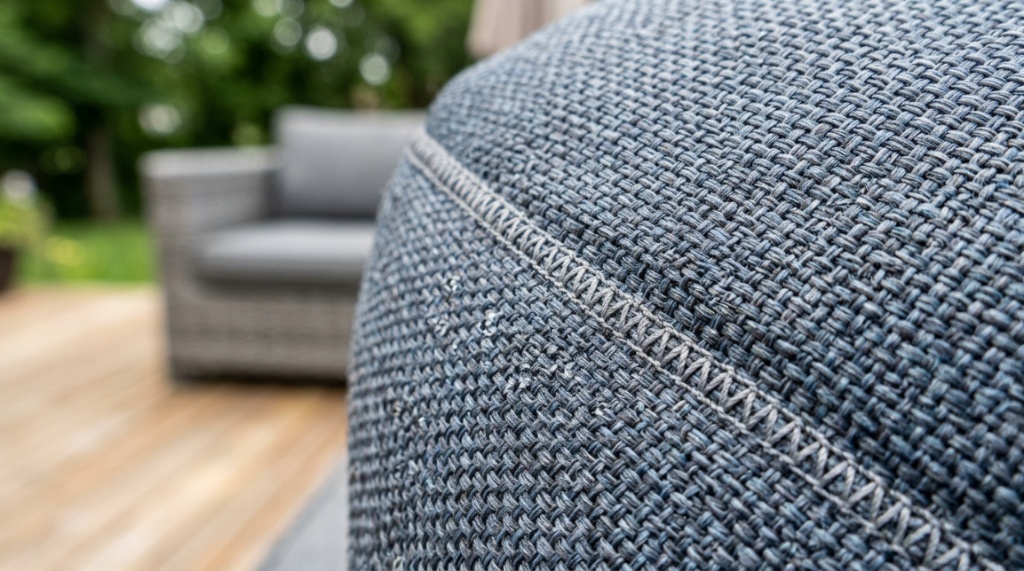
The outer shell is the first line of defense. The construction of the weave matters more than the brand name on the tag. A tightly woven fabric prevents dust mites from penetrating and offers better resistance to abrasion. For Florida, we need performance fabrics that are often used in outdoor patio furniture but brought inside for comfort.
Solution-Dyed Acrylic and Polyester: Color That Lasts
Regular printed fabrics have color applied to the surface in a paste. Solution-dyed fabric has the color pigment mixed into the liquid plastic before it is extruded into fiber. This means the color goes all the way through the strand. If the surface fades, the fiber underneath is the same color! This is the absolute gold standard for UV resistance. Acrylic is soft and wool-like, while polyester is strong and crisp. Both are naturally resistant to mildew and water absorption. This is the most critical feature for durable couch pillows Florida residents should look for.
Outdoor Fabrics for Indoor Use: A Smart Trend
Textile manufacturers have perfected outdoor performance fabrics that feel exactly like indoor luxury weaves. You can now find “indoor/outdoor” velvet or linen that uses woven polyester or acrylic fibers. These are woven so tightly that moisture beads up on the surface and can be wiped away. They also stand up to pets and kids. If washing is needed, these fabrics dry in minutes compared to cotton, which takes a full day. Don’t be afraid to look in the outdoor section of the store!
Canvas and Duck Cloth: Heavyweight Defenders
Cotton canvas, specifically “duck cloth” (weave weight), is extremely durable. However, cotton is hydrophilic (attracts water). To make cotton work in Florida, it must have a Teflon or water-repellent coating. Some brands also use a high thread count cotton (400+), which naturally resists water better than loose weaves. If you love the natural look of cotton, look for options labeled “water-resistant” or “stain-release,” which have chemical treatments that mitigate moisture absorption.
How Should You Care for Couch Pillows to Maximize Lifespan?
Even the toughest materials need a little help. In Florida, the primary enemy is moisture resting on or inside the fabric. A simple weekly routine can double the lifespan of your pillows. It’s not just about washing—it’s about airflow and prevention. Here is a practical maintenance guide designed specifically for the FL climate.
The Weekly “Fluff and Rotate” Protocol
Step 1: Remove all pillows and place them in direct sunlight (outside) for 1-2 hours. UV light kills dust mites naturally. Step 2: Fluff them vigorously for a minute each to break up clumping. Step 3: Rotate the pillows—front to back, left to right—to ensure even wear. This ensures all sides receive equal UV exposure and pressure, preventing premature flattening on one side.
Dry Cleaning vs. Machine Washing: What’s Safe?
Always check the tag, but a general rule for performance fabrics is machine wash cold on a gentle cycle with mild detergent. Never use fabric softener—it breaks down the water-repellent finish and leaves a residue that attracts dust. Air-drying is best. If you live near the coast, the salt air can be corrosive; a quick rinse with fresh water helps. For latex pillows, never machine wash them—wipe with a damp cloth and air dry only.
Using Pillow Protectors as a Humidity Barrier
Invest in zippered cotton or polyester pillow protectors. These act as a buffer between your skin/hair oils and the decorative cover. They are easy to remove and wash weekly, protecting the expensive outer cover from constant wear. In a humid climate, this reduces the frequency of washing the heavy outer fabric, which preserves its fibers and color intensity much longer.
Is There a Difference Between Indoor- and Outdoor-Rated Pillows?
Yes, but the gap is shrinking. Outdoor pillows are engineered to survive hurricane rains and constant sun. Indoor pillows are usually made for comfort and aesthetics, not endurance. However, utilizing outdoor technology indoors is the “hack” for Florida homes. Indoor-only pillows often use cotton or rayon, which are highly susceptible to breakdown.
Comparing Test Ratings: UV Resistance and Weather-Proofing
| Feature | Standard Indoor Pillow | Outdoor/Performance Pillow |
|---|---|---|
| Fill Material | Polyester, Down, Foam | Polyester Fiber, Latex |
| UV Resistance | Low – fades in 3-6 months | High-Solution Dyed |
| Water Repellency | Poor – Absorbs | Excellent – Beads Up |
| Mold Resistance | Poor | Excellent |
| Washability | Moderate – Shrinkage risk | High – Fast Drying |
Can You Use Outdoor Pillows Indoors Comfortably?
Absolutely. The fabric finishes have evolved significantly. Old outdoor fabrics were stiff and plastic-y. Modern ones are woven with a soft, matte finish that feels like linen or velvet. They are heavier and more durable. The only trade-off is that they tend to be a bit warmer to the touch because they don’t breathe as naturally as cotton. However, in an air-conditioned Florida home, this extra warmth is usually not a nuisance; it’s often a comfort.
Why Is the Zipper a Critical Feature for Longevity?
Many pillow covers are sealed shut with invisible seams. While this looks sleek, it makes washing hard and repairs impossible. A zipper is a sign of quality and repairability. It allows you to remove the cover, wash it, and dry it quickly—without damaging the inner filling. This is vital in a climate where mildew can set in on a wet inner core.
The Benefits of a Removable Cover
If a pillow gets a crusty stain (wine, kids, pets), you can unzip and replace the cover without tossing the entire pillow. This saves money and reduces waste. It also allows you to “re-stuff” the inner core if it starts to flatten. A zippered cover is the single most overlooked feature that extends the life of a decorative pillow by years.
How Many Pillows Do You Need for the Perfect Couch Setup?
The durability of the pillow also depends on how many you have. Overcrowding causes excessive friction, which wears down the fabric fibers faster. Under-filling looks sad. For a standard three-seater couch, the “rule of three” works best: two large square pillows (20″x20″) on the ends and one lumbar (12″x36″) in the middle. This allows each pillow to maintain its shape without excessive compression from neighbors.
Distributing Weight to Prevent Premature Flattening
When you sit, you sink into the cushion and push against the pillows. If you have only one pillow per seat, it takes all the pressure. Alternating the type of pillow (e.g., a soft one on the left, a firmer one in the middle) distributes the weight. Also, avoid using a couch pillow as a footrest—this puts excessive strain on the seams and zippers, causing premature failure in the stitching.
When Is the Best Time to Buy Couch Pillows in Florida?
Timing isn’t just about sales; it’s about seasonal needs. While you can buy year-round, the best time to purchase durable pillows is late spring (April-May) or early fall (September-October). Why? Because you are preparing for the extremes: summer sun and winter cold fronts. Stores often refresh inventory during these transitional months.
Year-Round Shopping Strategy for Sales
Keep an eye on “transitional sales” right after the summer season. Many retailers discount outdoor furniture and accessories in August/September. Since we suggest using outdoor-rated fabric indoors, you can score premium durable pillows for a fraction of the price during these clearances. Additionally, New Year’s deals (January) are good for restocking after the holiday wear and tear.
Can You Revive Flattened Pillows Instead of Replacing Them?
Yes, often you can. Many people throw away pillows that just need a “reboot.” If the cover is still in good shape (no fading, no holes, no mold), you can often revive the inner filling. This is the most sustainable and cost-effective approach.
How to Restore the Loft of Synthetic Fillings
Step 1: Place the pillow in the dryer on a no-heat or low-heat setting. Step 2: Add two or three clean tennis balls or dryer balls. The balls beat the clumps apart as the pillow tumbles. Step 3: Run the dryer for 20 minutes. Remove and fluff. This restores 80% of the original loft. If the fill has broken down into dust (often seen in cheap foam), then replacement is the only option. But for polyester fiber, this trick works wonders.
Frequently Asked Questions
What is the best fill for couch pillows in a humid climate?
Polyester fiberfill or natural latex is the best fill. Both resist moisture absorption, dry quickly, and do not harbor dust mites. Avoid dense and solid polyurethane foam.
Are expensive couch pillows worth buying for Florida?
Not always. Price is less important than material construction. A mid-priced pillow with solution-dyed acrylic fabric and silicone-coated polyester fill will outlast a high-end cotton/down pillow in Florida’s climate.
How often should I wash my couch pillows in Florida?
Ideally, once a month. If you use a zippered protector, wash the protector bi-weekly and the outer cover monthly. Frequent, quick-dry washes are better than waiting until they are soiled, as mold can begin growing in less than 48 hours on damp fabric.
Can I use outdoor couch pillows inside my house?
Yes, and it is actually recommended. Outdoor pillows are made from woven acrylic/polyester that resist UV rays and mold. They feel comfortable and are safer for high-traffic indoor use in humid climates.
What type of fabric does not fade in the Florida sun?
Fabric that is solution-dyed. This means the color pigment is infused into the fiber during manufacturing, rather than printed on top. Acrylic and polyester are the best-performing fade-resistant fibers.
Is it okay to leave couch pillows outside overnight in Florida?
No, you should bring them inside. Even durable outdoor fabrics can have water seep through the seams if exposed to heavy rain, and the nightly dampness increases mold growth risk. Store them inside or in a covered, dry container.
Conclusion
Living in Florida doesn’t mean you have to treat your couch pillows as disposable items. By shifting your focus from color trends to climate-proof materials, you can achieve a stylish, comfortable living room that withstands the harsh reality of humidity, salt air, and sunshine. Remember the core principles: choose polyester fiber or latex cores, demand solution-dyed performance fabrics, and prioritize zippered covers for easy maintenance. Implement the weekly fluffing and airing routine, and always opt for outdoor-rated construction even for indoor decor. Your couch will look fresh, and your health will benefit from fewer allergens. Stop wasting money on pillows that flatten in weeks. Use this guide to find pieces that are as resilient as they are beautiful, and upgrade your relaxation game permanently.