
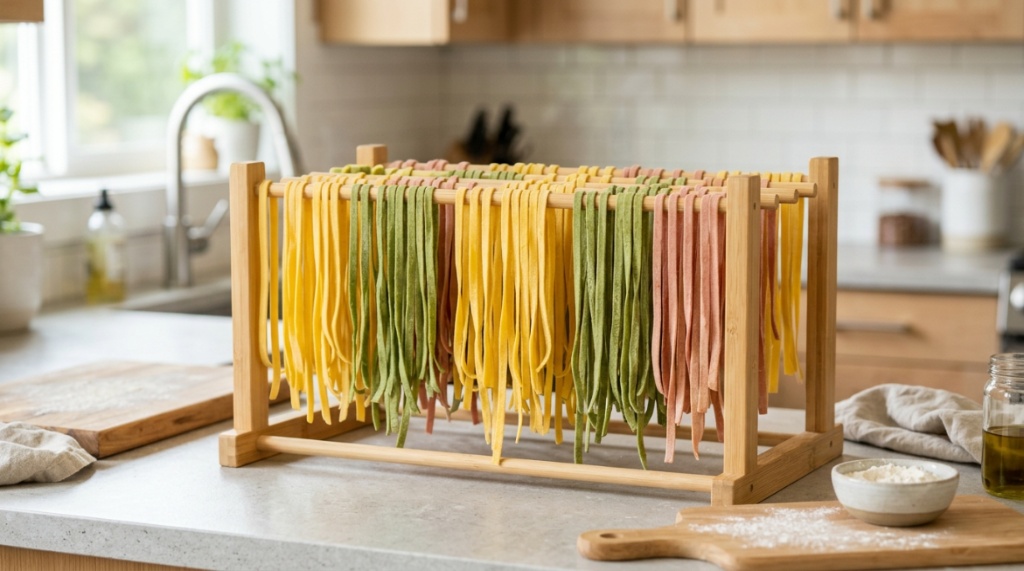
How to Maximize Counter Space with Bamboo Pasta Rack
You love making fresh pasta, but your kitchen counters look like a disaster zone every time you roll out a batch. Drying racks for fettuccine or lasagna sheets can eat up an alarming amount of real estate, forcing you to juggle prep bowls, cutting boards, and drying pasta all at once. The good news is that a well-designed bamboo pasta rack can solve this problem without requiring a single extra square inch of counter space.
In this guide, you will learn exactly how to maximize counter space bamboo pasta rack solutions, what to look for when buying one, and how to integrate it into your daily cooking routine so you never have to sacrifice a precious counter again.
What Makes a Bamboo Pasta Rack a Space-Saving Solution?
Collapsible vs. Fixed Designs
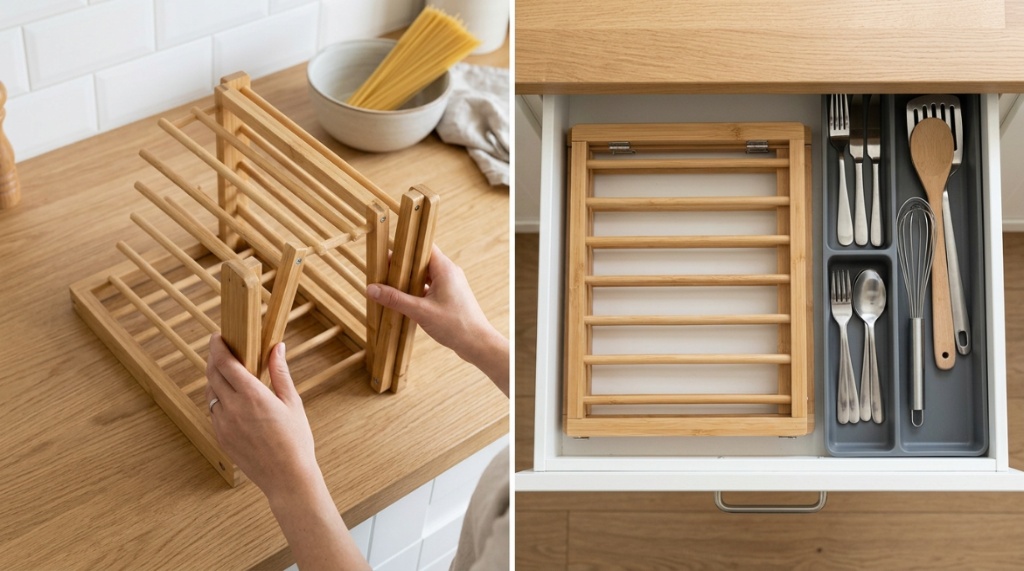
The biggest advantage of bamboo pasta racks is their collapsible or foldable design. Many models fold flat to less than an inch thick, sliding easily into a cabinet slot or drawer. When you pull it out for pasta day, it opens into a stable drying tower without taking up more than a breadboard’s footprint.
Vertical Drying Saves Counter Area
Traditional horizontal drying methods—like draping pasta over a broom handle or laying strands across every clean surface—spread your work across the entire counter. A bamboo rack stacks strands vertically, using height rather than surface area. This frees up room for your rolling pin, flour, and sauce prep.
Natural Material Benefits
Bamboo is naturally antimicrobial, lightweight, and resistant to warping from moisture. Unlike plastic racks that can slide around, bamboo’s textured surface grips the counter, keeping the rack stable while you load it with fresh pasta. This stability means you don’t need to clear a massive area to anchor the rack.
How Do You Choose the Right Bamboo Pasta Rack for Small Kitchens?
Measure Your Usable Counter Space First
Before buying any rack, measure the clear, flat area on your counter where you intend to place it. Most compact bamboo racks require a base footprint of about 10 by 10 inches. If you have less than that, look for a slim model that clamps to an overhang or sits over the sink.
Look for Multi-Tier or Adjustable Arms
Racks with multiple drying tiers let you dry more pasta in the same footprint. Adjustable arms allow you to shorten the drying rods when making shorter pasta like trofie or orecchiette, reducing the overall size of the rack on the counter.
Check for Non-Slip Feet
A rack that slides around will require you to hold it steady with one hand while loading pasta with the other, wasting both time and mental focus. Bamboo racks with silicone or rubber feet stay put, letting you maximize counter space bamboo pasta rack potential by keeping the rack exactly where you want it.
Can You Use a Bamboo Pasta Rack Over the Sink?
The Over-Sink Advantage
Yes, many bamboo pasta racks are designed to span a kitchen sink, turning an unused air space into a drying area. This instantly frees your entire counter for other tasks. The rack rests on the edges of the sink rim, and any excess moisture from the pasta drips directly into the sink rather than onto your counter.
What to Watch For
Ensure the rack’s width matches your sink or counter overhang. A rack that is too short may fall into the basin, while one that is too wide may wobble. Measure the distance between the sink edges before you buy. Also, avoid leaving wet pasta on bamboo for extended periods—dry it quickly to prevent water stains.
Practical Tip for Over-Sink Use
If your sink is deep, place a clean kitchen towel in the bottom of the sink before loading pasta. This catches any broken strands and keeps them clean, so you don’t waste a single piece of your handmade dough.
What Are the Best Ways to Organize Counter Space Around the Rack?
Create a Pasta Station Zone
Designate a specific area of your counter as a pasta station. Place your bamboo rack at the back corner, your rolling pin in a crock nearby, and your flour and eggs within easy reach. By keeping everything in one zone, you avoid spreading equipment across the entire kitchen.
Use Vertical Storage for Accessories
Store your bamboo rack vertically—either standing on its side in a cabinet or hanging from a hook on the wall. This keeps it off the counter entirely when not in use. Many racks have a hole at the top for hanging, so take advantage of that feature.
Purge Unnecessary Tools
Review your current kitchen tools. Do you own two colanders, three cooling racks, and a salad spinner you never use? Free up one cabinet shelf by donating duplicates, and use that space to store your bamboo rack. This indirectly increases your functional counter area because you’ll have fewer items to shuffle around.
Which Bamboo Pasta Rack Features Actually Reduce Clutter?
Removable Drying Rods
Racks with rods that pop out make cleaning and storage easier. You can wash the rods separately without submerging the entire rack, and you can store the rods in a drawer while the base hangs on the wall. This modularity reduces the bulk you have to stash away.
Integrated Drip Tray
Some bamboo racks come with a small bamboo tray underneath. This catches stray flour or water droplets, keeping your counter cleaner. A clean counter feels more spacious, so the tray indirectly helps you maximize counter space bamboo pasta rack functionality by reducing the need for a separate towel or plate underneath.
Stackable Design
A few premium racks allow you to stack two racks on top of each other using interlocking pegs. This doubles your drying capacity without increasing the counter footprint at all. If you regularly make large batches of pasta for dinner parties, this feature is a game-changer.
How Do You Clean and Maintain a Bamboo Pasta Rack?
Daily Cleaning Routine
After each use, wipe the rack down with a damp cloth and mild soap. Rinse quickly and dry immediately with a towel. Never soak bamboo in water or put it in the dishwasher—prolonged moisture causes the wood to split and weaken.
Monthly Conditioning
Once a month, rub a food-safe mineral oil into the bamboo. This prevents drying and cracking, keeping the rack smooth so pasta slides off easily. A well-maintained rack stays stable on the counter, which means you don’t have to constantly adjust it during use.
When to Replace
If you notice splintering, mold, or a musty odor, replace the rack. A damaged rack can drop pasta onto the counter, creating a mess that wastes both space and time. Most quality bamboo racks last two to three years with proper care.
What Are Common Mistakes When Using a Bamboo Pasta Rack?
Overloading the Rack
It is tempting to cram every strand onto the rack, but overcrowding makes the rack tip over or press strands together, causing them to stick. Load only one layer per rod, leaving a small gap between strands. This keeps the rack stable and ensures even drying.
Placing the Rack in a High-Traffic Area
Putting the rack on a busy corner where people reach for coffee mugs or utensils invites accidental knocks. Place the rack in a low-traffic zone—near the sink or at the back of the counter—so nobody bumps into it while you work.
Using the Wrong Pasta Shape
Thin pasta like angel hair or capelli d’angelo can slide off smooth bamboo rods. If you make very thin pasta often, choose a rack with grooved or textured rods that grip the strands. This prevents pasta from falling onto the counter and creating clutter.
How Should You Store the Rack When Not in Use?
Flat Storage Inside a Cabinet
Fold the rack completely flat and slide it into a cabinet slot between baking sheets or cooling racks. This uses vertical cabinet space without taking up shelf area for other items. Label the slot so you remember where it is.
Wall-Mounted Storage
Install a small hook or peg on the inside of a cabinet door or on a side wall near your prep area. Hang the rack there so it is always out of the way but still within arm’s reach. This keeps your counter completely clear until pasta day arrives.
Drawer Storage
Some slim bamboo racks fit inside a deep kitchen drawer. Lay the rack flat in the drawer, then place a small cutting board or sheet pan on top. You can still use the drawer for other items like rolling pins or pizza cutters without damaging the rack, A collapsed wooden pasta drying rack stored flat inside an open kitchen drawer.
Which Pasta Recipes Benefit Most from a Bamboo Rack?
Long Strand Pastas
Spaghetti, fettuccine, linguine, and pappardelle are the most space-hungry pastas to dry. A bamboo rack handles these elegantly by allowing the strands to hang straight, preventing tangles and saving you from spreading them across every surface.
Stuffed Pastas
While you don’t dry ravioli or tortellini on a rack, you can use the rack to hold filled pasta while you finish shaping a batch. Place a baking sheet on the rack to catch any filling drips, keeping your counter clean.
Pasta for Gift Giving
If you make fresh pasta as gifts, a bamboo rack lets you dry multiple batches in the same footprint. Once dry, you can package the pasta directly from the rack, reducing handling and mess.
Can a Bamboo Pasta Rack Replace Other Drying Methods?
vs. Dish Towels on the Counter
Draping pasta over a dish towel takes up far more surface area and can leave lint on the strands. A bamboo rack uses 75% less counter area than a towel method and introduces no fibers into your pasta.
vs. Pasta Drying Trees
Floor-standing pasta drying trees have a large base and take up floor space. A bamboo countertop rack is much smaller and more portable, making it a better choice for apartments or small kitchens where floor space is precious.
vs. Hanging Pasta on a Hanger
Some cooks hang pasta on wooden clothes hangers. This works but requires a hook or cabinet handle and often leads to pasta sliding off. A purpose-built bamboo rack is more secure, easier to load, and looks better on display.
How Much Counter Space Can You Really Save?
Real-World Example
Imagine making a batch of fresh fettuccine for four people. Without a rack, you might spread the strands across two baking sheets and a large cutting board—about 1,200 square inches of counter space. A compact bamboo rack uses about 100 square inches of counter footprint. That is a saving of over 1,100 square inches, or roughly the size of a standard laptop.
Batch Cooking Gains
If you make pasta once a week, those saved square inches add up over a year. You reclaim the ability to prep sauce, chop vegetables, or set a place setting without moving the pasta. This makes your entire cooking session faster and more enjoyable.
Where Should You Place the Rack for Maximum Efficiency?
Near the Prep Station
Place the rack immediately next to your pasta rolling area. You want to move the cut pasta from the knife or cutter to the rack in one step. If you have to walk around the kitchen to reach the rack, you waste time and increase the risk of dropping pasta.
Away from Heat Sources
Keep the rack away from the stove or oven. Heat speeds up drying, which can make the surface of your pasta hard while the inside remains soft, leading to uneven cooking later. A cool, dry spot on the counter is ideal.
Near a Window (But Not in Direct Sunlight)
A little indirect light helps you see the pasta clearly as you load it, but direct sunlight can dry the pasta too fast and make it brittle. A spot near a window with a sheer curtain offers the best balance of visibility and gentle drying.
Frequently Asked Questions
Can I use a bamboo pasta rack for drying other foods?
Yes. Bamboo racks work well for drying herbs, mushrooms, or even small fruits like berries. Just clean the rack thoroughly between uses to avoid flavor transfer.
How long does fresh pasta need to dry on a bamboo rack?
For fresh pasta to hold its shape, dry it for 30 minutes to 2 hours at room temperature. Thicker pasta like pappardelle takes longer than thin spaghetti. Test a strand by touching it—if it feels leathery on the surface, it is ready to cook or store.
Is bamboo better than stainless steel for a pasta rack?
Bamboo is lighter, quieter, and less likely to scratch your countertops. Stainless steel racks are more durable and dishwasher-safe. Choose bamboo if you prioritize weight and counter protection; choose steel if you need commercial-grade toughness.
Can I put a bamboo pasta rack in the dishwasher?
No. Dishwasher heat and moisture will warp, crack, or splinter bamboo. Always hand wash with mild soap and dry immediately. This applies to all wooden kitchen tools, not just pasta racks.
What size bamboo pasta rack should I buy for a family of four?
Look for a rack with at least six drying arms, each about 12 inches long. This gives you enough space to dry a full batch of fettuccine for four people without overcrowding the rods.
Does a bamboo pasta rack absorb pasta dough moisture?
Bamboo absorbs minimal moisture from the pasta dough because the contact time is short. However, if you leave wet dough on the rack overnight, it may leave a light stain. Drill a habit of cleaning the rack within an hour after use.
Can I leave the bamboo rack assembled for quick use?
Yes, if you have the space. Leaving it assembled on a counter or inside an open cabinet lets you grab it instantly without unfolding. Just ensure it is dry to prevent mold growth in the joints.
Conclusion
Maximizing counter space with a bamboo pasta rack comes down to choosing a folding, multi-tier model that fits your specific kitchen layout, placing it strategically over the sink or in a low-traffic zone, and storing it off the counter between uses. By doing these three things, you reclaim nearly a thousand square inches of workspace every time you make pasta. The result is a smoother cooking process, less cleanup, and more room to enjoy the art of fresh pasta making.
Now that you know exactly how to maximize counter space bamboo pasta rack solutions, measure your own kitchen setup and pick a rack that fits your workflow. Start with a small batch of fettuccine this weekend and notice the difference when your counter stays clutter-free and organized.