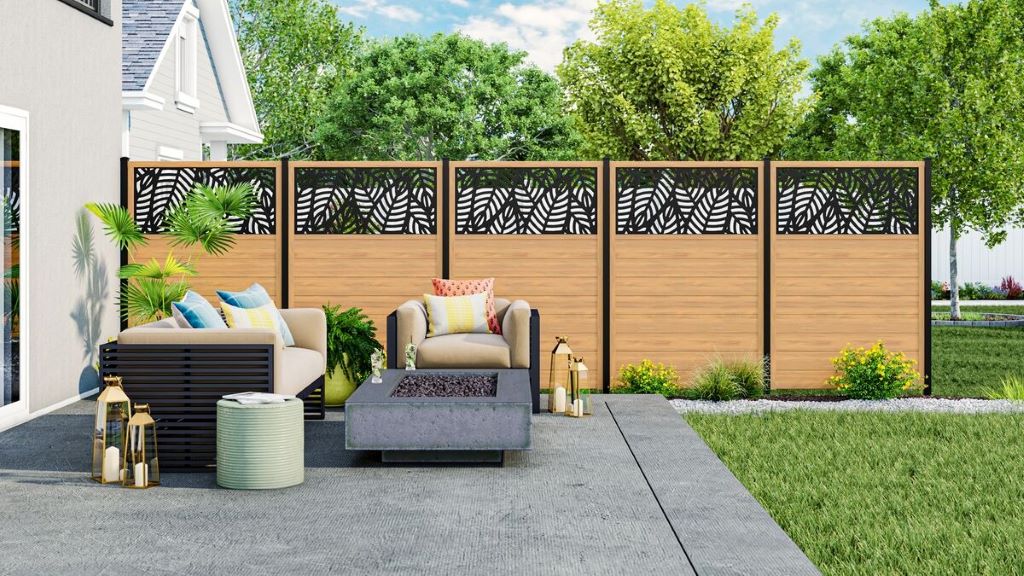
Decorative Lattice Panels for Modern Patios
Modern patio design emphasizes clean lines, functional beauty, and outdoor living comfort. Decorative lattice panels have emerged as versatile elements that transform ordinary outdoor spaces into sophisticated retreats. These panels provide privacy, support climbing plants, and create visual interest while maintaining contemporary aesthetics. New House Project offers comprehensive guidance for homeowners seeking to enhance their outdoor living spaces with thoughtful design choices.
Today’s lattice panels extend far beyond traditional garden trellises. They serve multiple functions in contemporary patio design, from architectural accents to functional privacy screens. Additionally, these panels integrate seamlessly with modern outdoor furniture and landscaping themes.
Understanding the different types of lattice panels available helps homeowners make informed decisions for their specific needs. Modern options include sleek metal designs, sustainable composite materials, and innovative synthetic alternatives. Therefore, selecting appropriate panels requires considering both aesthetic preferences and practical requirements.
Modern Lattice Panel Materials
Contemporary lattice panels utilize various materials that surpass traditional wood options in durability and style. Each material offers unique benefits suited to different patio environments and design preferences.
Metal Lattice Panels
Aluminum and steel lattice panels provide exceptional durability and contemporary appeal. These materials resist weather damage, require minimal maintenance, and offer clean geometric patterns. Additionally, metal panels can be powder-coated in various colors to match existing patio elements.
Corten steel panels develop attractive rust patinas over time, adding organic character to modern designs. However, this weathering process requires consideration in placement and surrounding materials. Therefore, these panels work best in industrial or minimalist patio themes.
Composite and Synthetic Materials
Composite lattice panels combine recycled materials with binding agents to create weather-resistant products. These panels mimic wood grain while offering superior longevity and consistent appearance. Additionally, they require no staining, sealing, or painting throughout their lifespan.
High-density polyethylene and PVC panels provide lightweight, affordable options for various applications. These synthetic materials resist fading, cracking, and insect damage while maintaining crisp, clean appearances. However, quality varies significantly between manufacturers, making careful selection important.
Natural Wood Options
Cedar and redwood remain popular choices for their natural beauty and inherent weather resistance. These woods develop attractive silver-gray patinas when left untreated, complementing modern outdoor aesthetics. Additionally, natural wood panels can be stained or painted to match specific design schemes.
Pressure-treated pine offers budget-friendly alternatives for painted applications. However, these panels require regular maintenance to prevent deterioration and maintain appearance. Therefore, consider long-term maintenance costs when evaluating wood options.
Design Applications in Modern Patios
Lattice panels serve multiple design functions that enhance both form and function in contemporary outdoor spaces. Strategic placement creates zones, provides privacy, and adds architectural interest to otherwise plain areas.
Privacy Screening Solutions
Modern patios often require privacy solutions that don’t compromise open, airy feelings. Lattice panels provide partial screening that maintains visual flow while creating intimate spaces. Additionally, these panels can be arranged in various configurations to suit specific privacy needs.
Vertical installations create effective barriers between neighboring properties or busy streets. However, angled or curved arrangements offer more dynamic visual appeal while providing adequate screening. Therefore, consider both privacy requirements and aesthetic impact when planning installations.
Architectural Accent Features
Lattice panels function as architectural elements that define spaces and create visual focal points. Large-scale installations can serve as dramatic backdrops for seating areas or outdoor dining spaces. Additionally, smaller panels provide subtle accents that complement existing patio features.
Geometric patterns in lattice designs complement modern architectural styles while adding texture and shadow play. These elements create visual interest throughout the day as sunlight moves across panel surfaces. However, pattern selection should coordinate with overall patio design themes.
Plant Support Systems
Combining lattice panels with climbing plants creates living walls that enhance patio environments. These installations provide natural cooling, improve air quality, and add seasonal color changes. Additionally, plant-covered panels offer increased privacy as vegetation matures.
Popular climbing plants for modern patios include jasmine, clematis, and ornamental grapes. These varieties provide attractive foliage and seasonal interest while requiring minimal maintenance. Therefore, plant selection should consider local climate conditions and maintenance preferences.
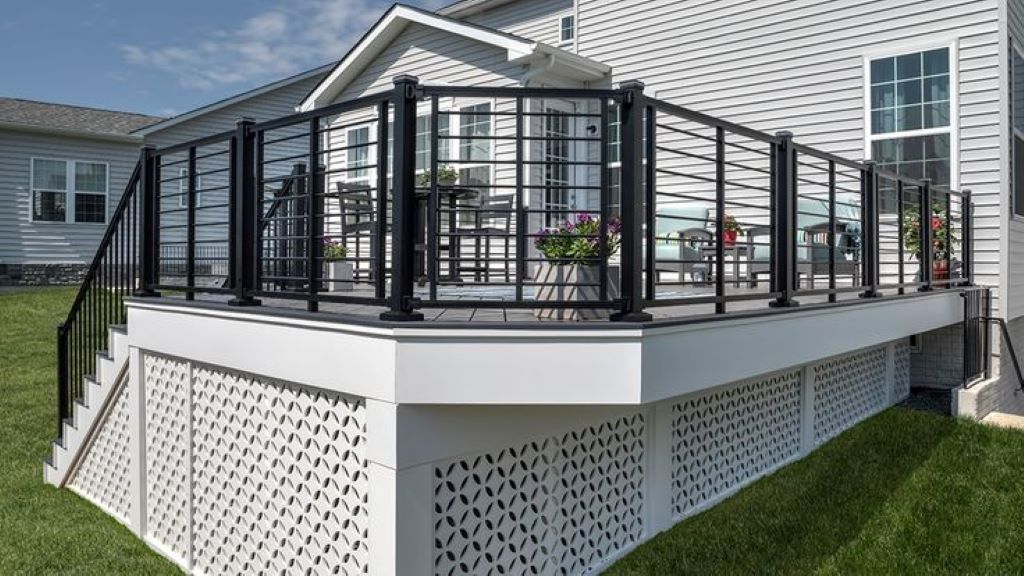
Installation Strategies for Maximum Impact
Proper installation ensures lattice panels function effectively while maintaining professional appearances. Planning placement, securing methods, and finishing details significantly impact final results.
Strategic Placement Planning
Analyze patio layouts to identify optimal panel locations that serve multiple purposes. Consider sight lines, traffic patterns, and existing features when determining placement. Additionally, evaluate how panels will interact with furniture arrangements and activity zones.
Corner installations can define separate areas within larger patios while maintaining visual connections. However, linear arrangements work better for creating distinct boundaries or privacy barriers. Therefore, placement strategies should align with specific functional goals.
Structural Support Requirements
Lattice panels require adequate structural support to withstand wind loads and maintain stability. Post installations should extend below frost lines in cold climates and use appropriate footings for soil conditions. Additionally, panel connections must accommodate thermal expansion and contraction.
Professional installation ensures proper structural integrity and longevity. Complex installations involving electrical integration or significant structural modifications benefit from expert guidance. However, simple installations can be DIY projects with proper planning and preparation.
Integration with Existing Features
Coordinate lattice panel installations with existing patio elements such as lighting, irrigation, and electrical systems. Plan integration early to avoid conflicts and ensure seamless appearances. Additionally, consider how panels will interact with seasonal decorations and furniture changes.
Color coordination between panels and existing features creates cohesive design schemes. Neutral tones provide versatile backgrounds for changing seasonal elements, while bold colors make dramatic statements. Therefore, color selection should reflect long-term design goals rather than temporary preferences.
Maintenance and Longevity Considerations
Different lattice panel materials require varying maintenance approaches to ensure lasting beauty and functionality. Understanding these requirements helps homeowners make informed material selections and establish appropriate care routines.
Material-Specific Care Requirements
Metal panels generally require minimal maintenance beyond periodic cleaning and inspection for loose connections. Powder-coated finishes may need touch-ups after several years, particularly in harsh climates. Additionally, check mounting hardware annually for signs of wear or corrosion.
Composite and synthetic panels need occasional washing to remove dirt and mildew buildup. These materials resist most staining but may require specialized cleaners for stubborn marks. However, avoid abrasive cleaning methods that might damage surface finishes.
Wood panels demand the most maintenance attention, including regular staining or sealing to prevent weather damage. Annual inspections should identify loose fasteners, splitting, or insect damage requiring prompt attention. Therefore, factor ongoing maintenance costs into material selection decisions.
Seasonal Preparation Tasks
Prepare lattice panels for seasonal changes to prevent damage and maintain appearances. Fall cleanup should remove accumulated debris and check for needed repairs before winter weather arrives. Additionally, trim climbing plants to prevent excessive weight on panel structures.
Spring maintenance includes thorough cleaning, hardware inspection, and any needed repairs or refinishing. This timing allows addressing issues before peak outdoor entertaining seasons. However, avoid major modifications during active growing seasons if panels support established plants.
Cost Analysis and Value Considerations
Lattice panel investments vary significantly based on materials, installation complexity, and long-term maintenance requirements. Evaluating total ownership costs helps homeowners make financially sound decisions that align with their budget constraints and value expectations.
According to Remodeling Magazine, outdoor improvements like lattice installations can provide solid returns on investment while enhancing daily living experiences. Therefore, quality installations represent worthwhile home improvements rather than mere expenses.
Initial Investment Factors
Material costs range from budget-friendly synthetic options to premium metal or exotic wood choices. Installation complexity affects labor costs, with simple vertical installations being less expensive than elaborate custom configurations. Additionally, site preparation requirements can significantly impact total project costs.
Quality differences within material categories affect both initial costs and long-term value. Higher-grade products typically offer better warranties, superior appearances, and extended lifespans. However, budget constraints may require balancing quality aspirations with financial realities.
Long-Term Value Proposition
Quality lattice panel installations enhance outdoor living experiences while potentially increasing property values. These improvements extend usable outdoor seasons and create more functional entertaining spaces. Additionally, well-designed installations appeal to potential buyers if property sales become necessary.
Maintenance cost variations between materials significantly impact long-term ownership expenses. Low-maintenance synthetic options may justify higher initial costs through reduced ongoing expenses. Therefore, evaluate total ownership costs over expected usage periods rather than focusing solely on initial investments.
Design Trends and Future Innovations
Contemporary lattice panel design continues evolving with new materials, manufacturing techniques, and aesthetic preferences. Understanding current trends helps homeowners make selections that remain stylish and functional for years to come.
Current Design Movements
Minimalist aesthetics favor clean lines and simple geometric patterns in neutral colors. These designs complement modern architectural styles while providing timeless appeal. Additionally, sustainability concerns drive interest in recycled and eco-friendly material options.
Mixed-material combinations create visual interest through contrasting textures and colors. Popular combinations include metal frames with wood or composite inserts, offering both durability and natural beauty. However, these combinations require careful detailing to ensure weather resistance and longevity.
Emerging Technologies
Smart integration possibilities include built-in lighting systems, integrated planters, and even digital display capabilities. These innovations transform simple privacy screens into multifunctional outdoor features. Additionally, improved manufacturing techniques continue expanding design possibilities and reducing costs.
Advanced coating technologies enhance durability and expand color options for metal panels. These developments allow greater customization while maintaining superior weather resistance. Therefore, future installations may offer even more design flexibility and performance benefits.
Conclusion
Decorative lattice panels offer versatile solutions for enhancing modern patio designs through privacy, plant support, and architectural interest. Material options ranging from durable metals to sustainable composites provide choices suited to various budgets and aesthetic preferences. Additionally, proper installation and maintenance ensure these investments deliver lasting value and enjoyment.
Key considerations include material selection based on climate conditions, maintenance preferences, and design goals. Strategic placement maximizes both functional benefits and visual impact while integrating seamlessly with existing patio features. Therefore, thoughtful planning and quality materials create outdoor improvements that enhance daily living and property values.
Modern lattice panels represent smart investments in outdoor living comfort and home aesthetics. These versatile elements adapt to changing needs while providing enduring beauty and functionality for contemporary patio environments.
Frequently Asked Questions
What materials work best for modern patio lattice panels? Aluminum and composite materials offer the best combination of durability, low maintenance, and contemporary aesthetics. Additionally, these materials resist weather damage while maintaining consistent appearances over time.
How much privacy do lattice panels actually provide? Lattice panels provide partial privacy that varies based on panel density and viewing angles. Therefore, they create intimate spaces while maintaining open, airy feelings rather than complete isolation.
Can I install lattice panels myself or should I hire professionals? Simple vertical installations can be DIY projects with proper tools and planning. However, complex configurations or installations requiring structural modifications benefit from professional expertise and may require building permits.
What climbing plants work best with modern lattice panels? Jasmine, clematis, and ornamental grapes provide attractive foliage with minimal maintenance requirements. Additionally, these plants offer seasonal interest while complementing contemporary patio aesthetics.
How long do different lattice panel materials typically last? Quality metal panels can last 20-30 years with minimal maintenance, while composite materials typically provide 15-20 years of service. However, natural wood panels may require replacement after 10-15 years depending on climate and maintenance quality.
Read more:
Sustainable Choices for Modern Home Flooring
Wardrobe Wealth: How Fitted Storage Can Boost Your Home’s Value