How to Pick the Best Affordable Vacuum for TX Businesses
Running a business in Texas comes with its own set of challenges heat, dust, wide-open spaces, and high foot traffic depending on your industry. Whether you manage a small retail shop in Austin, a bustling restaurant in Houston, a warehouse in Dallas, or a chain of offices in San Antonio, one thing remains constant: you need a reliable way to keep your floors clean without blowing your operating budget. The problem is that commercial-grade vacuums often come with commercial-grade price tags, and consumer models frequently break down under daily use. Finding the best affordable vacuum for TX businesses means balancing upfront cost, durability, and the specific demands of your space. This guide breaks down exactly what to look for, what to avoid, and how to match a machine to your business type so you can make a confident purchase that actually lasts.
Why Texas Businesses Need a Different Kind of Vacuum
Texas presents unique conditions that affect how well a vacuum performs. The state’s notorious dust and pollen levels mean filters clog faster. High humidity in coastal areas like Corpus Christi or Galveston can cause debris to stick to surfaces. And if your business has a parking lot or outdoor entry, you’re constantly dragging in fine dirt, gravel, and sand especially during the dry summer months or after a rare but heavy rainstorm.
For many business owners, the mistake is buying a residential vacuum designed for carpeted homes with light foot traffic. These machines lack the airflow, bag capacity, and filtration needed for commercial environments. On the other hand, full-size commercial vacuums from brands like ProTeam or NSS can cost $500 to $1,000 or more, which is overkill for a small shop or office. The sweet spot lies in what the industry calls “light commercial” vacuums machines built with commercial-grade components but priced for small businesses.
What Makes a Vacuum “Commercial-Grade”?
Commercial vacuums differ from residential models in several key ways. The motor is typically a bypass motor, which means air cools the motor separately from the dirt path, preventing clog-related overheating. The cord is usually longer (30 to 40 feet versus 20 to 25 feet), which matters in open floor plans. The brush roll is often metal or reinforced nylon rather than plastic. And the filtration system is sealed to prevent dust from escaping back into the air critical for offices where employees and customers may have allergies.
However, you don’t need every commercial feature if your space is under 3,000 square feet. A well-built residential vacuum with a HEPA filter and a steel brush roll can handle daily light-duty cleaning for years. The key is matching the machine to your actual usage, not to what a salesperson tells you.
Key Factors to Consider Before Buying
Before you start comparing models, you need to answer a few questions about your business. The answers will narrow your options significantly and prevent you from overpaying for features you don’t need.
Floor Type and Surface Mix
What surfaces does your vacuum need to clean? If you have wall-to-wall carpet in an office, you need a machine with a powered brush roll. If you have hard floors like tile, concrete, or wood, you need a vacuum that can switch to a hard-floor setting or use a brush roll that can be turned off. If you have a mix say, a retail store with carpeted aisles and tile entryways you need a machine that transitions easily without losing suction or scattering debris.
For hard floors, look for a vacuum with a “hard floor” mode or a dedicated hard-floor tool. Many affordable models now include this as a standard feature. Avoid using a spinning brush roll on hard floors, as it can scatter fine dust and scratch delicate surfaces.
Bagged vs. Bagless
This is one of the most important decisions you’ll make. Bagged vacuums are generally better for businesses because they hold more debris, require less frequent emptying, and don’t expose you to dust when you empty them. They also maintain suction longer because the bag acts as a filter. The downside is the ongoing cost of replacement bags.
Bagless vacuums save money on bags but require frequent emptying sometimes multiple times per shift in a busy environment. Emptying a bagless vacuum releases dust into the air unless you do it carefully outdoors. For most businesses, the convenience and hygiene of bagged models outweigh the recurring cost.
Filtration Needs
If your business serves customers with allergies or if you operate in a healthcare, daycare, or food service setting, HEPA filtration is non-negotiable. A true HEPA filter captures 99.97% of particles down to 0.3 microns. Some vacuums claim “HEPA-style” or “HEPA-like” filtration, which is not the same thing. Look for the actual HEPA certification on the box or in the specifications.
For general office or retail use, a sealed system with a good quality filter is sufficient. The key is that the vacuum must not leak unfiltered air. Check whether the vacuum has a sealed filtration system, which means all air passes through the filter before exiting the machine.
Top Affordable Vacuum Categories for Businesses
Once you understand your needs, you can narrow your search to a few categories. Each category has its own strengths and trade-offs, and the right choice depends on your specific business type.
Upright Vacuums for Carpeted Spaces
Uprights are the classic choice for offices, hotels, and any business with significant carpet. They offer powerful suction, a wide cleaning path (typically 15 to 17 inches), and are easy to store upright. Look for models with a self-cleaning brush roll, which prevents hair and fiber wrap a common issue in salons, pet-related businesses, or offices with long-haired employees.
In the affordable range, you’ll find uprights with many commercial features at half the price of professional models. Key features to prioritize include a long cord, a large bag capacity (at least 3 liters), and a brush roll that can be turned off for hard floors.
Canister Vacuums for Versatility
Canister vacuums are ideal for businesses with a mix of surfaces, stairs, or hard-to-reach areas. The motor and dirt container sit on wheels, and you maneuver only the hose and wand. This makes them lighter to handle and easier to clean under desks, between booths, or on staircases. Canisters are also quieter than most uprights, which is a benefit in offices or during business hours.
Affordable canisters often come with a powered brush head for carpets and a combination floor tool for hard surfaces. They’re slightly more cumbersome to store because of the separate canister body, but they offer superior reach and flexibility.
Backpack Vacuums for Large Areas
Backpack vacuums have become popular in commercial cleaning because they reduce fatigue and increase productivity. You wear the machine on your back, and the hose reaches the floor without bending. This is a game-changer for cleaning large areas like schools, convention centers, or big retail floors. Backpacks are also more maneuverable in tight spaces and around furniture.
However, backpack vacuums are typically more expensive than uprights or canisters. If you’re on a tight budget, you may need to look at entry-level models or consider whether the productivity gain justifies the higher upfront cost. For a small business with less than 5,000 square feet, a backpack may be overkill.
How Much Should You Spend?
Pricing for light-commercial vacuums varies widely, but you can generally expect to pay between $150 and $400 for a machine that will hold up under daily business use. Below $150, you’re likely looking at residential models that may not survive heavy use. Above $400, you’re entering full commercial territory, which may be justified for larger operations but unnecessary for most small businesses.
Here’s a rough breakdown of what you can expect at different price points:
| Price Range | What You Get | Best For |
|---|---|---|
| $100–$150 | Basic residential models, shorter cords, smaller bags, limited filtration | Very small offices, low-traffic areas, occasional use |
| $150–$250 | Light-commercial features, longer cords, better filtration, durable brush rolls | Small retail, small offices, cafes, studios |
| $250–$400 | Commercial-grade motors, HEPA filtration, larger capacities, self-cleaning brush rolls | Restaurants, salons, medium offices, high-traffic retail |
| $400+ | Full commercial models, backpack options, advanced filtration, longest warranties | Large facilities, schools, warehouses, professional cleaning services |
Remember that the purchase price is only part of the total cost. Factor in replacement bags, filters, and belts. A vacuum that costs $200 but requires $50 in bags every three months may be more expensive in the long run than a $300 model with a larger bag that lasts twice as long.
Common Mistakes Texas Business Owners Make
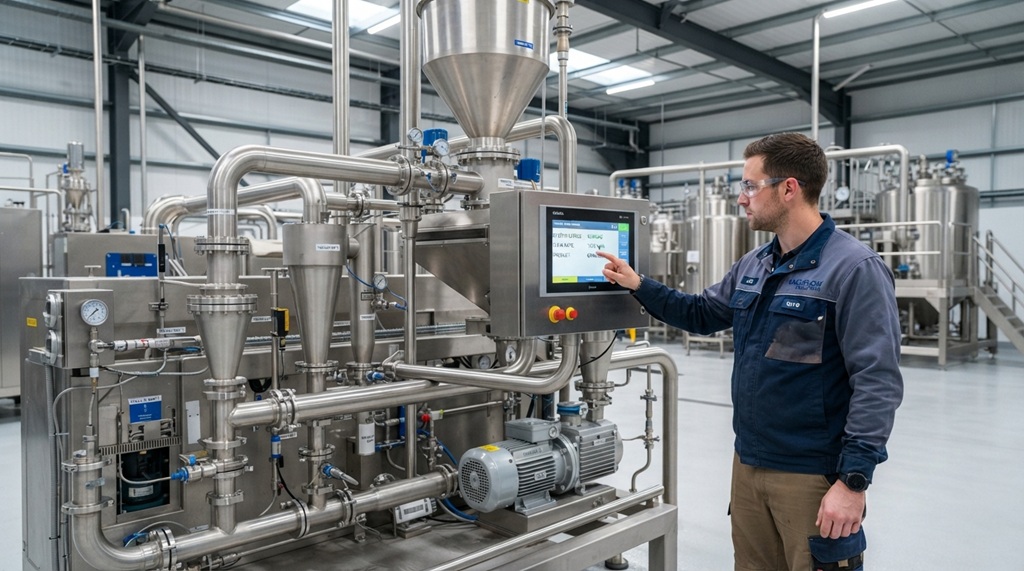
Even with thorough research, purchasers frequently compromise facility efficiency by overlooking specific operational requirements. The most prevalent error involves prioritizing upfront affordability over long-term durability, leading to premature equipment failure under demanding commercial workloads. Additionally, failing to calculate proper airflow and suction capacity for specific regional debris often results in underperforming machinery. To prevent these costly missteps, evaluate your facility’s exact cubic feet per minute (CFM) demands and material intake types before finalizing any investment. For a deeper technical perspective on automated handling systems, explore our guide on what is vacuum conveying? to optimize your long-term infrastructure.
Buying Based on Suction Power Alone
Suction power, measured in air watts or inches of water lift, is important, but it’s not the whole story. A vacuum with high suction but poor airflow will struggle to pick up debris from hard floors. A vacuum with a clogged filter will lose suction regardless of the motor. Pay attention to the overall design, the quality of the brush roll, and the filtration system rather than just the wattage number.
Ignoring Noise Levels
If you’re vacuuming during business hours, noise matters. A loud vacuum can disrupt customers, annoy employees, and make it impossible to clean while the business is open. Look for vacuums with a decibel rating below 75 dB if you need to clean during operating hours. Some canisters and backpacks are significantly quieter than uprights.
Overlooking Warranty and Parts Availability
Commercial-grade vacuums should come with a warranty of at least one to three years. More importantly, check whether replacement parts belts, filters, bags, brush rolls are readily available. Some budget brands are difficult to find parts for, which means a minor repair can turn into a full replacement. Stick with brands that have established distribution networks in the U.S.
How to Maintain Your Vacuum for Longevity
Even the best affordable vacuum for TX businesses will fail prematurely if you don’t maintain it. Regular maintenance is simple and takes only a few minutes per week.
Weekly Maintenance Checklist
Empty the bag or canister before it’s completely full a full bag reduces suction significantly. Check the brush roll for hair, string, or fiber wrap and remove any debris. Inspect the hose and wand for clogs, especially if you notice a drop in suction. Clean or replace the filter according to the manufacturer’s schedule, which is typically every one to three months depending on usage.
Seasonal Deep Cleaning
Every three to six months, do a deeper maintenance pass. Remove the brush roll and clean it thoroughly. Wash the pre-motor filter if it’s washable. Check the belt for wear and replace it if it’s cracked or stretched. Inspect the cord for damage, especially at the plug and where it enters the machine. These simple steps can extend the life of your vacuum by years.
Frequently Asked Questions
Can I use a residential vacuum for my business?
You can, but it may not last. Residential vacuums are designed for occasional use on relatively clean floors. In a business environment with daily foot traffic, they tend to overheat, clog, or break down within a few months. If your space is very small and you vacuum infrequently, a residential model may work, but a light-commercial model is a safer investment.
What is the best vacuum for a small office with carpet?
For a small carpeted office, look for an upright vacuum with a powered brush roll, a sealed filtration system, and a bag capacity of at least 3 liters. Models in the $150–$250 range from established brands like Bissell, Hoover, or Kenmore often provide the best balance of cost and durability for this use case.
Are bagless vacuums okay for commercial use?
Bagless vacuums can work for light commercial use, but they require frequent emptying, which can be messy and time-consuming. They also tend to lose suction as the filter loads with dust. If you choose a bagless model, look for one with a large dirt cup (at least 1.5 liters) and a washable filter to reduce ongoing costs.
How often should I replace the filters on my business vacuum?
Pre-motor filters should be cleaned or replaced every one to three months, depending on usage and the amount of dust in your environment. HEPA filters typically last six to twelve months before needing replacement. Check your vacuum’s manual for specific recommendations, and always keep a spare filter on hand so you’re never running with a clogged one.
What is the difference between HEPA and HEPA-style filters?
A true HEPA filter is certified to capture 99.97% of particles at 0.3 microns. A HEPA-style filter may look similar but hasn’t been tested to the same standard. For businesses that need strict air quality like medical offices, daycare centers, or food preparation areas always choose a vacuum with certified HEPA filtration.
Conclusion
Choosing the best affordable vacuum for TX businesses comes down to understanding your floor types, your cleaning frequency, and your budget. Start by assessing your space, then prioritize the features that matter most: filtration, bag capacity, cord length, and brush roll quality. Avoid the trap of buying the cheapest option or the most powerful one instead, find the machine that fits your specific needs and will hold up under daily use. With proper maintenance, a good light-commercial vacuum can last five to ten years, making it a smart investment for any Texas business. Take your time, compare a few models, and choose a vacuum that you won’t have to replace in six months.